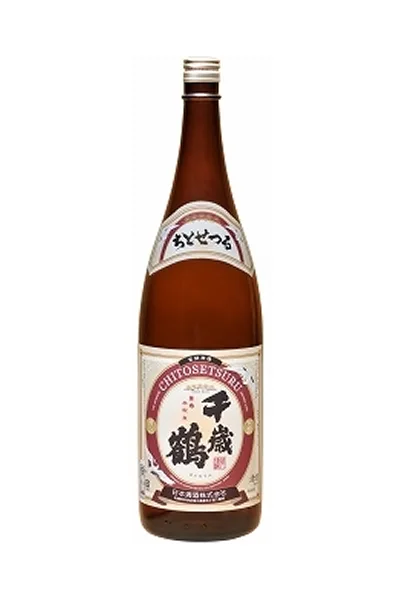
Seishu Chitosetsuru
清酒 千歳鶴Futsushu (table sake), rice polished to 75%, autumn release (hiyaoroshi)
Chitose Tsuru — Nippon Seishu, Hokkaido
Specifications
- Type
- Futsushu
- Rice
- Not disclosed
- Rice polishing ratio
- 75%25% of each grain polished away
- Yeast
- Not disclosed
- Alcohol
- 15–16%
- Sake meter value
- +3slightly dry
- Acidity
- 1.1
How to read these
- Type
- The grade printed on the label. It depends on the ingredients (rice only, or with a little distilled alcohol) and on how far the rice is polished. More
- Rice
- The rice variety. Most premium sake uses varieties grown for brewing, such as Yamada Nishiki. More
- Rice polishing ratio
- How much of each grain is left after polishing. A lower number means more was milled away, which usually gives a lighter, more aromatic sake. More
- Yeast
- The yeast strain, which shapes the aroma. More
- Alcohol
- Alcohol by volume. Most sake is 15–16%; undiluted (genshu) sake is often 17–18%. More
- Sake meter value
- A sweet-to-dry scale. Plus is drier, minus is sweeter. Acidity changes how it tastes, so treat it as a rough guide. More
- Acidity
- Total acid. Higher tends to taste fuller and drier; lower tastes lighter and sweeter. More
Flavor profile Rich & umami
RestrainedAromatic
RichLight
Rich & umami — rice-driven umami and a fuller body. Known in Japan as jun-shu (醇酒).
An SMV of +3 with low acidity (1.1), together with the description of rice sweetness and umami, points to a restrained aroma, a mellow and rounded body, and a soft, slightly sweet impression.
Estimated by AI from the published specifications and the brewery's description; your impression may differ.
About
The mellow aftertaste, carrying the sweetness and umami of rice, is versatile enough to pair with almost any dish. Its flavor never becomes tiresome, which makes it ideal for everyday drinking. It also shows its appeal as a luxurious cooking sake.
Other sake from this brand 13
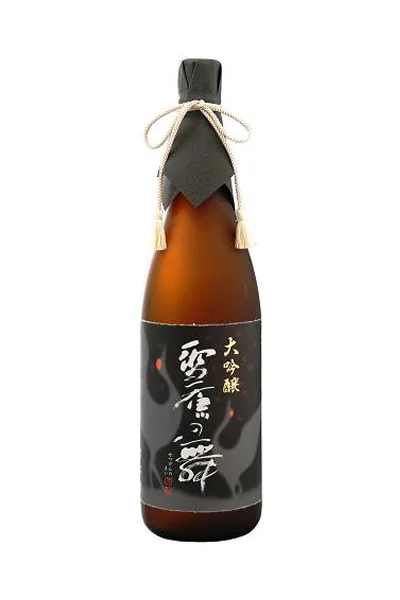
- Chitose Tsuru Yukihara no Mai千歳鶴 雪原の舞
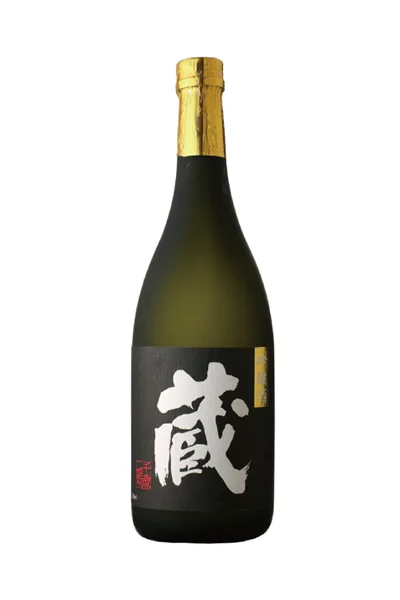
- Chitose Tsuru Ginjo Kura千歳鶴 吟醸酒 蔵
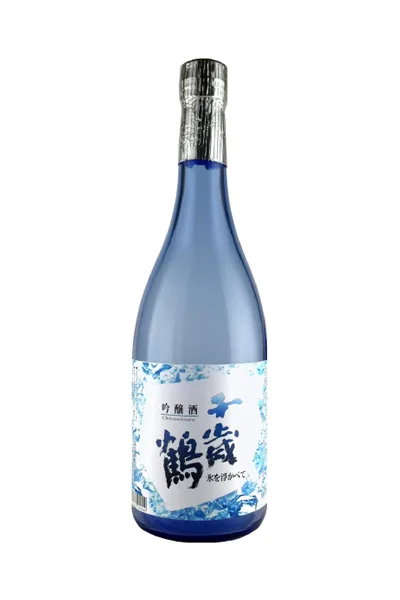
- Chitose Tsuru Ginjo Kori o Ukabete千歳鶴 吟醸酒 氷を浮かべて
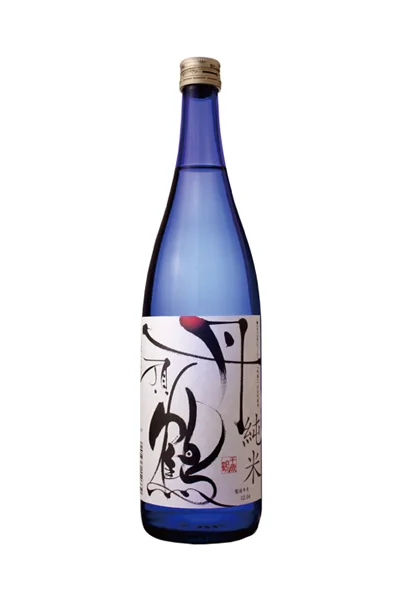
- Chitose Tsuru Junmai Tancho Tsuru千歳鶴 純米 丹頂鶴
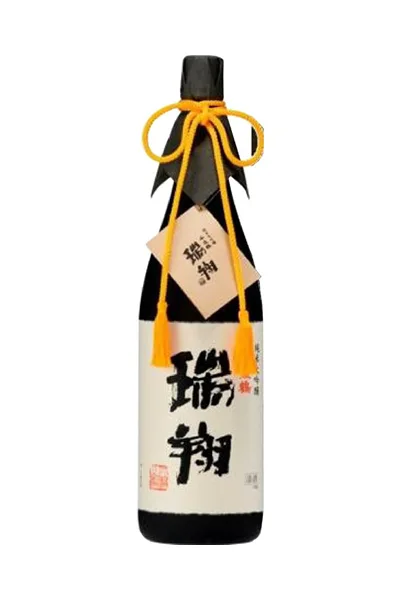
- Chitose Tsuru Junmai Daiginjo Zuisho千歳鶴 純米大吟醸 瑞翔
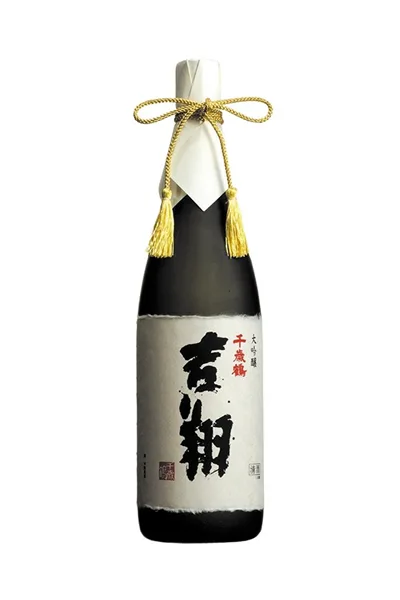
- Chitose Tsuru Daiginjo Kisshou千歳鶴 大吟醸 吉翔
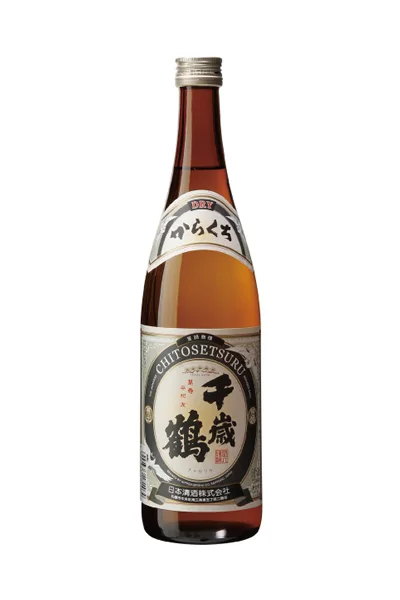
- Chitose Tsuru Karakuchi千歳鶴 からくち
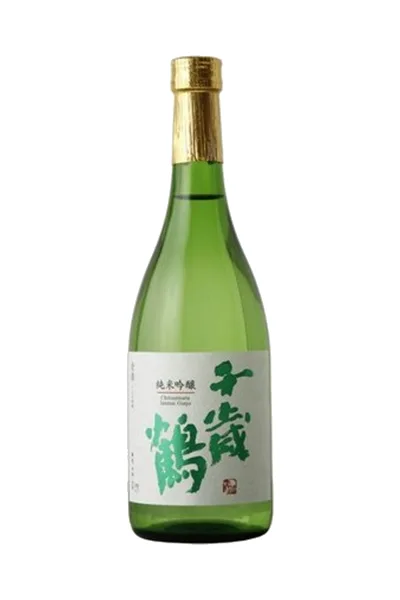
- Chitose Tsuru Junmai Ginjo千歳鶴 純米吟醸
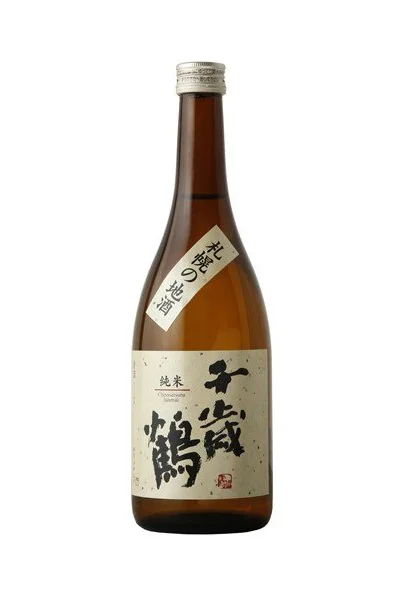
- Chitose Tsuru Junmai千歳鶴 純米
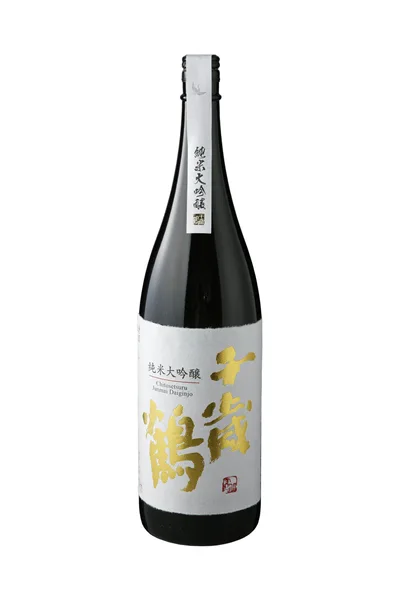
- Chitose Tsuru Junmai Daiginjo千歳鶴 純米大吟醸
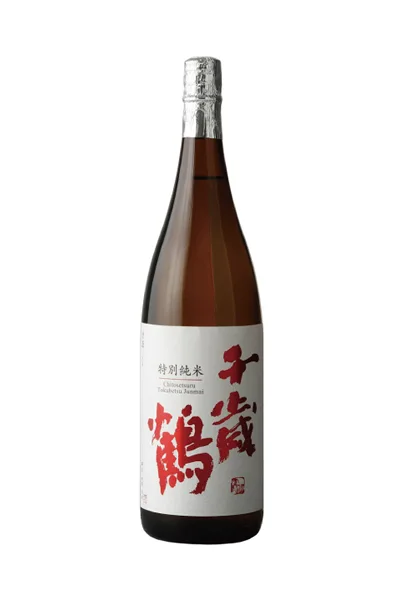
- Chitose Tsuru Tokubetsu Junmai千歳鶴 特別純米
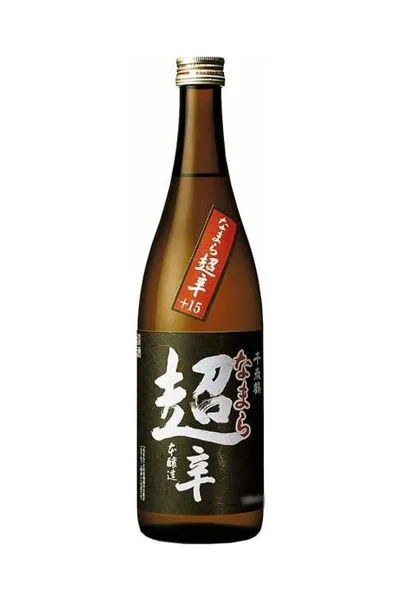
- Chitose Tsuru Honjozo Namara Chokara千歳鶴 本醸造 なまら超辛