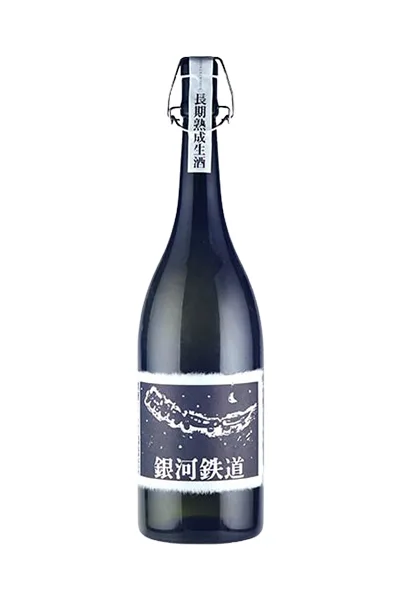
Chiyo no Kame Ginga Tetsudo
千代の亀 銀河鉄道Junmai daiginjo, rice polished to 40%
Chiyo no Kame — Chiyonokame Shuzo, Ehime
A sake of aristocratic elegance.
Specifications
- Type
- Junmai Daiginjo
- Rice
- Not disclosed
- Rice polishing ratio
- 40%60% of each grain polished away
- Yeast
- Not disclosed
- Alcohol
- 16%
- Sake meter value
- +5–+10very dry
- Acidity
- 1.2
How to read these
- Type
- The grade printed on the label. It depends on the ingredients (rice only, or with a little distilled alcohol) and on how far the rice is polished. More
- Rice
- The rice variety. Most premium sake uses varieties grown for brewing, such as Yamada Nishiki. More
- Rice polishing ratio
- How much of each grain is left after polishing. A lower number means more was milled away, which usually gives a lighter, more aromatic sake. More
- Yeast
- The yeast strain, which shapes the aroma. More
- Alcohol
- Alcohol by volume. Most sake is 15–16%; undiluted (genshu) sake is often 17–18%. More
- Sake meter value
- A sweet-to-dry scale. Plus is drier, minus is sweeter. Acidity changes how it tastes, so treat it as a rough guide. More
- Acidity
- Total acid. Higher tends to taste fuller and drier; lower tastes lighter and sweeter. More
Flavor profile Full & complex
Full & complex — aromatic and full-bodied, including aged sake. Known in Japan as juku-shu (熟酒).
The description of rich aroma and a rounded texture after long low-temperature aging, combined with 40% polishing and 10 years of storage, points to high aroma and a mature, full body. Low acidity of 1.2 and an SMV of 5 to 10 suggest a soft, moderately dry profile.
Estimated by AI from the published specifications and the brewery's description; your impression may differ.
About
Ginga Tetsudo is made from locally contracted rice grown without agricultural chemicals. Only the largest grains are selected, and only their central portion is used. The rice is pre-fermented at low temperature. Only the best part of the moromi is taken off by letting it drip, like droplets, from a well-rinsed cloth bag. It is then aged for a long time at low temperature, developing a fragrant aroma and a rounded, gentle flavor. It is a noble sake.
Aged in storage for 10 years.
Other sake from this brand 9
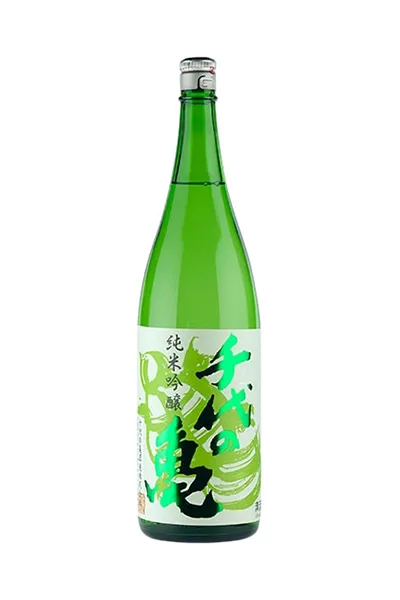
- Chiyo no Kame Junmai Ginjo千代の亀 純米吟醸
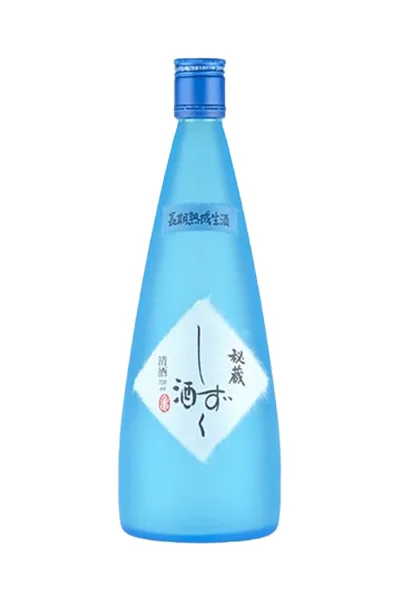
- Chiyo no Kame Hizo Shizuku-zake千代の亀 秘蔵 しずく酒
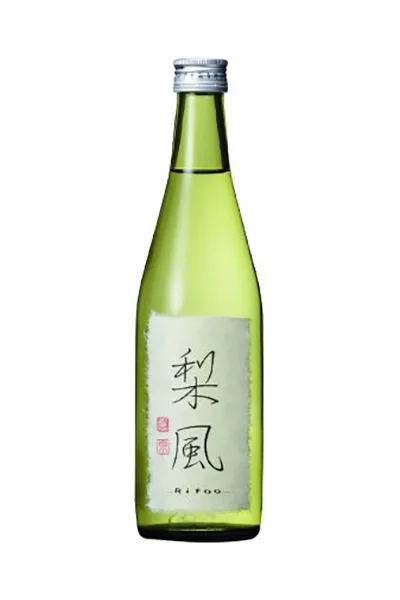
- Chiyo no Kame Nashikaze千代の亀 梨風
- Chiyo no Kame Otosan no Mitsuzoshu千代の亀 お父さんの密造酒
- Chiyo no Kame Junmai Kome wa Chikyu o Sukuu千代の亀 純米 米は地球を救う
- Chiyo no Kame Ginga no Kami Fuusen千代の亀 銀河の紙ふうせん
- Chiyo no Kame Shiboritate Junmai Daiginjo千代の亀 しぼりたて 純米大吟醸
- Chiyo no Kame 2001 Ginga no Tabi千代の亀 2001年銀河の旅
- Chiyo no Kame Junmai Daiginjo Tobin Gakoi Choki Jukusei Namazake千代の亀 純米大吟醸 斗瓶囲い 長期熟成生酒