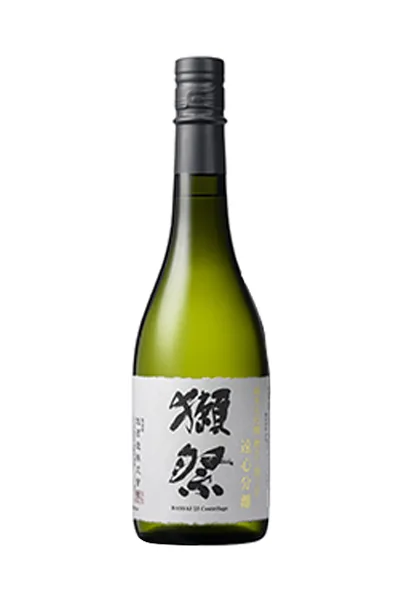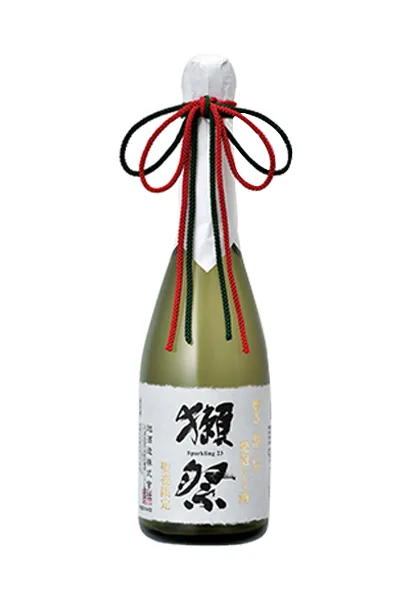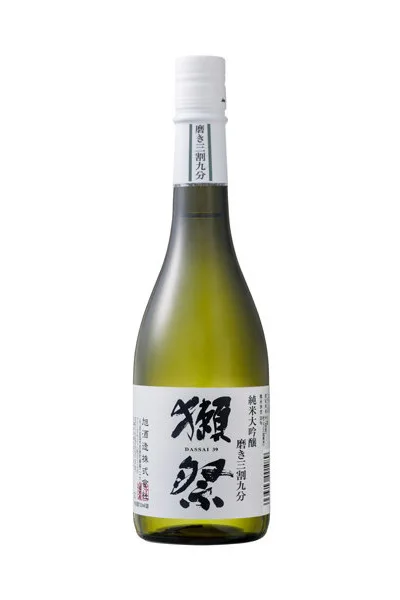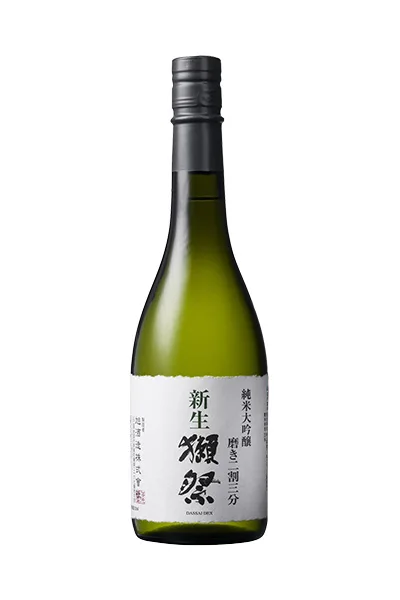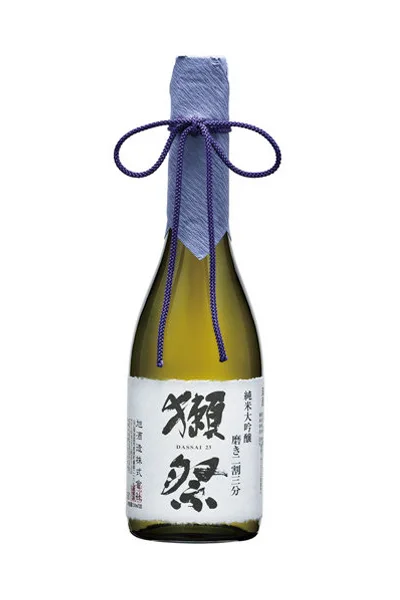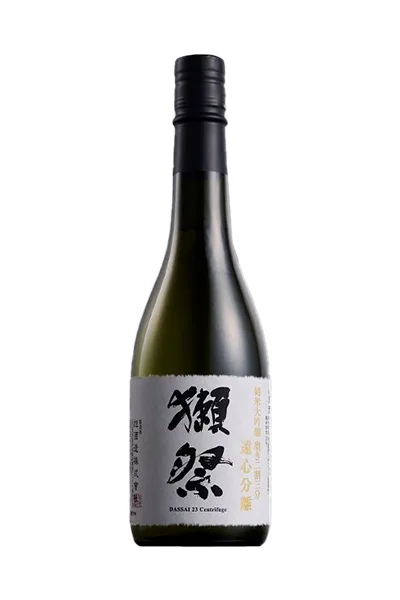
Dassai Junmai Daiginjo Migaki Niwari Sanbu Enshin Bunri
獺祭 純米大吟醸 磨き二割三分 遠心分離Junmai daiginjo, Yamada Nishiki rice polished to 23%, pressed by centrifuge
Pressed by centrifuge without added pressure, its clarity reveals a clean sweetness and a delicate character.
Specifications
- Type
- Junmai Daiginjo
- Rice
- Yamada Nishiki
- Rice polishing ratio
- 23%77% of each grain polished away
- Yeast
- Not disclosed
How to read these
- Type
- The grade printed on the label. It depends on the ingredients (rice only, or with a little distilled alcohol) and on how far the rice is polished. More
- Rice
- The rice variety. Most premium sake uses varieties grown for brewing, such as Yamada Nishiki. More
- Rice polishing ratio
- How much of each grain is left after polishing. A lower number means more was milled away, which usually gives a lighter, more aromatic sake. More
- Yeast
- The yeast strain, which shapes the aroma. More
Flavor profile Aromatic & light
Aromatic & light — fruity, floral aroma with a light body. Known in Japan as kun-shu (薫酒).
A 23% polished junmai daiginjo whose text stresses refined elegance and a clear, clean sweetness from centrifuge pressing. This points to high aromatic character, a light-to-medium body and moderate sweetness, placing it in the kun quadrant.
Estimated by AI from the published specifications and the brewery's description; your impression may differ.
About
In 2000, Asahi Shuzo became the first in Japan to introduce a centrifugal separator for commercial sake production. For Dassai, which pursues ever better sake, the machine has played an important role as a technical challenge. Sake pressed by centrifuge has “no unpleasant elements in its character” and offers refined aromatics and delicacy. However, when the moromi (fermentation mash) of Migaki Niwari Sanbu (rice polished to 23%) was pressed by centrifuge alone, its clarity made it taste overly clean. To give the sake more range, the brewery had blended in sake pressed with a Yabuta (a traditional press). With advances in the brewing skills of the kurabito (brewery workers) in recent years, precise control of fermentation has made it possible to achieve a range of flavors that coexists with clarity. As a symbol of this technical progress, Dassai has decided to move forward with a version of “Dassai Junmai Daiginjo Migaki Niwari Sanbu Enshin Bunri” made entirely from Migaki Niwari Sanbu pressed by centrifuge.
Other sake from this brand 19
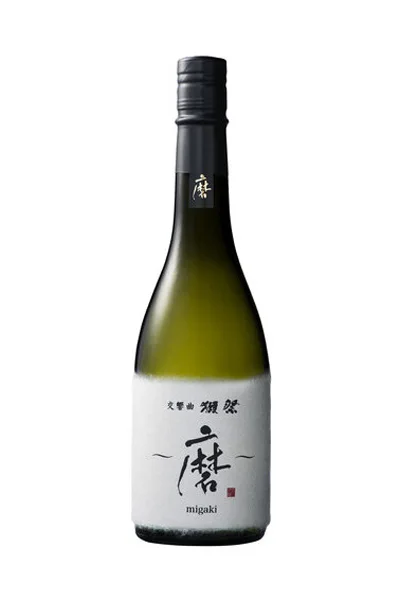
- Kōkyōkyoku Dassai Migaki交響曲 獺祭 ~磨~
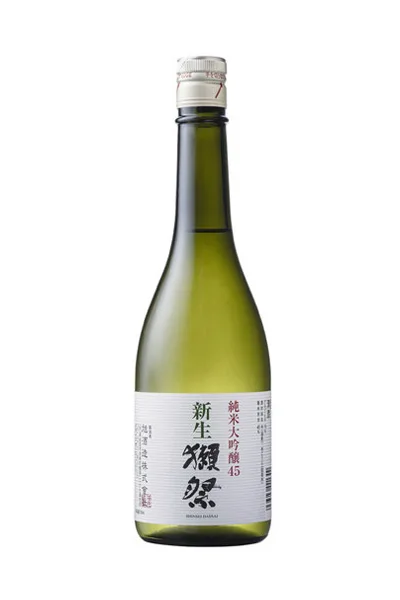
- Shinsei Dassai Junmai Daiginjo 45新生獺祭 純米大吟醸45
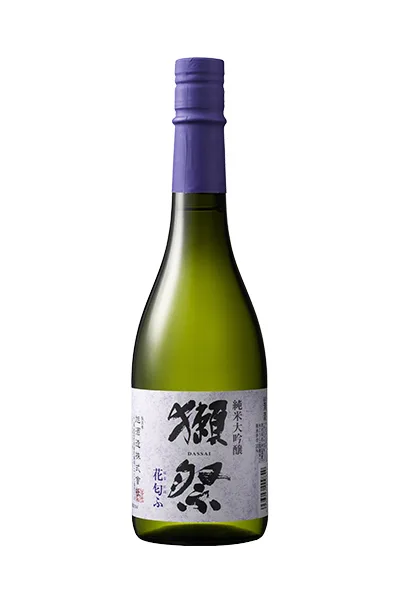
- Dassai Junmai Daiginjo Hana Niou純米大吟醸 獺祭 花匂ふ
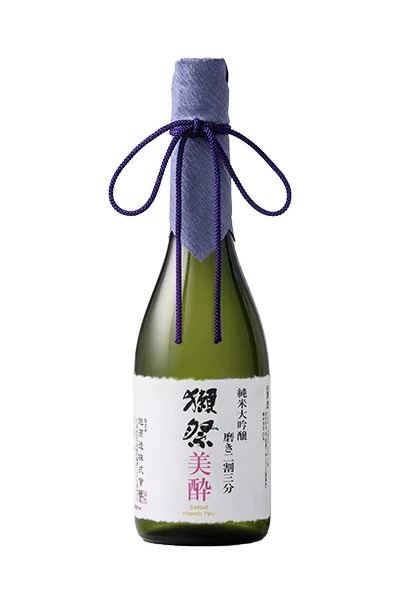
- Junmai Daiginjo Migaki Niwari Sanbu Dassai Bisui純米大吟醸 磨き二割三分 獺祭美酔
- Dassai Migaki Niwari Sanbu Enshin Bunri獺祭 磨き二割三分 遠心分離
- Dassai Junmai Daiginjo Sparkling Nigori Migaki Niwari Sanbu Seiya Gentei獺祭 純米大吟醸 発泡にごり酒 磨き二割三分 聖夜限定
- Dassai Junmai Daiginjo Migaki Sanwari Kyubu獺祭 純米大吟醸 磨き三割九分
- Shinsei Dassai Junmai Daiginjo Migaki Niwari Sanbu新生獺祭 純米大吟醸 磨き二割三分
- Dassai Junmai Daiginjo Sparkling 45獺祭 純米大吟醸 スパークリング45
- Dassai Junmai Daiginjo Migaki Sanwari Kyubu Kanzukuri Soufune獺祭 純米大吟醸 磨き三割九分 寒造早槽
- Dassai Junmai Daiginjo Migaki Niwari Sanbu獺祭 純米大吟醸 磨き二割三分
- Dassai Junmai Daiginjo Migaki Niwari Sanbu Hanabie Sake獺祭 純米大吟醸 磨き二割三分 花冷え酒