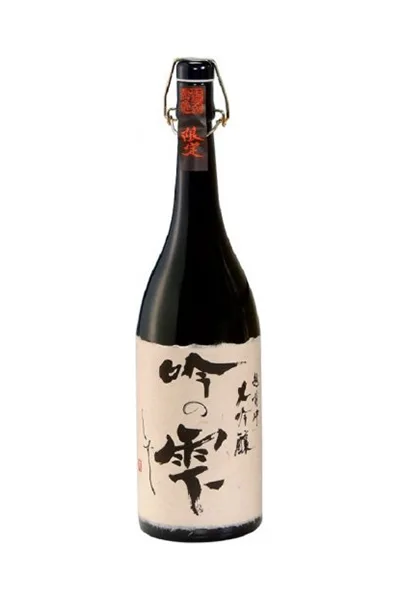
Echizen Misaki Gin no Shizuku
越前岬 吟の雫Daiginjo, rice polished to 40%, drip-pressed from hanging bags (shizuku)
Echizen Misaki — Tanabe Shuzo, Fukui
Annual limited release, made with special-grade Yamada Nishiki from Hyogo Prefecture, the finest sake rice, and bottled generously as shizuku (free-run) sake.
Specifications
- Type
- Daiginjo
- Rice
- Not disclosed
- Rice polishing ratio
- 40%60% of each grain polished away
- Yeast
- Not disclosed
- Alcohol
- 16%
- Sake meter value
- +2slightly dry
- Acidity
- 1.5
How to read these
- Type
- The grade printed on the label. It depends on the ingredients (rice only, or with a little distilled alcohol) and on how far the rice is polished. More
- Rice
- The rice variety. Most premium sake uses varieties grown for brewing, such as Yamada Nishiki. More
- Rice polishing ratio
- How much of each grain is left after polishing. A lower number means more was milled away, which usually gives a lighter, more aromatic sake. More
- Yeast
- The yeast strain, which shapes the aroma. More
- Alcohol
- Alcohol by volume. Most sake is 15–16%; undiluted (genshu) sake is often 17–18%. More
- Sake meter value
- A sweet-to-dry scale. Plus is drier, minus is sweeter. Acidity changes how it tastes, so treat it as a rough guide. More
- Acidity
- Total acid. Higher tends to taste fuller and drier; lower tastes lighter and sweeter. More
Flavor profile Aromatic & light
Aromatic & light — fruity, floral aroma with a light body. Known in Japan as kun-shu (薫酒).
The text describes a vivid ginjo aroma and a soft palate, which matches the 40% polish daiginjo specs with SMV +2 and acidity 1.5. This points to high aroma, a light-to-medium body and restrained sweetness.
Estimated by AI from the published specifications and the brewery's description; your impression may differ.
About
Echizen Misaki's top-tier daiginjo shizuku (free-run) sake, in which a vivid ginjo aroma and a soft, gentle flavor are well balanced. It was brewed in January and February, the coldest season in the Hokuriku region, bringing together the skill and refinement of the toji (master brewer).
Other sake from this brand 10
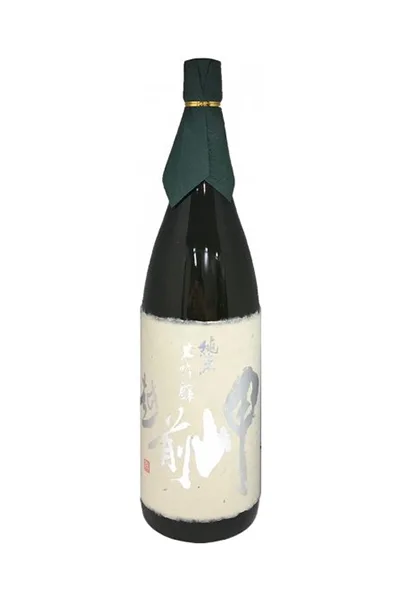
- Echizen Misaki Junmai Daiginjo越前岬 純米大吟醸
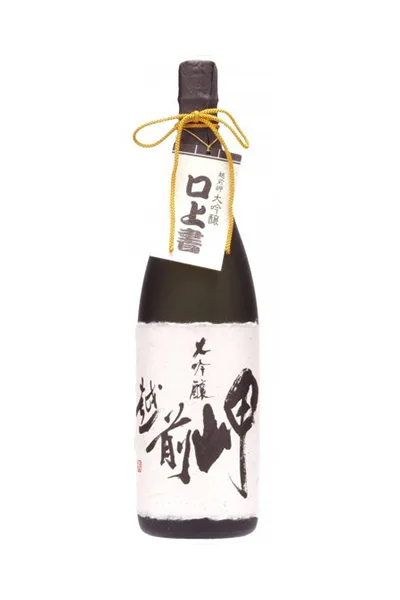
- Echizen Misaki Daiginjo越前岬 大吟醸
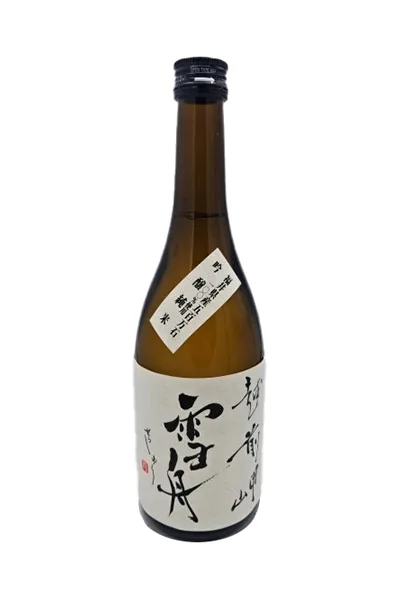
- Echizen Misaki Junmai Ginjo Sesshu越前岬 純米吟醸 雪舟
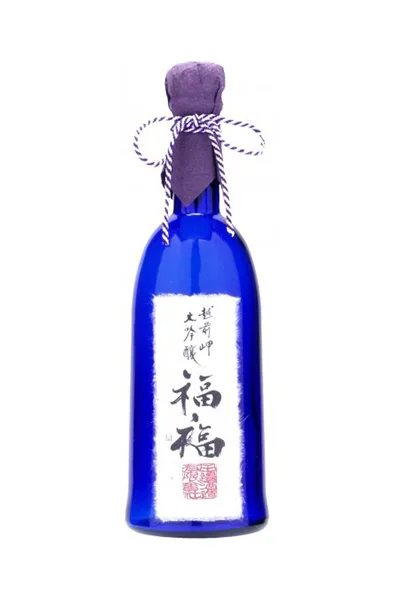
- Echizen Misaki Fuku Fuku越前岬 福福
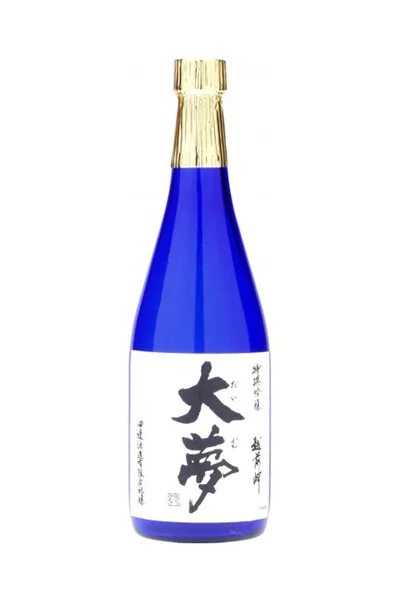
- Echizen Misaki Tokubetsu Ginjo Taimu越前岬 特別吟醸 大夢
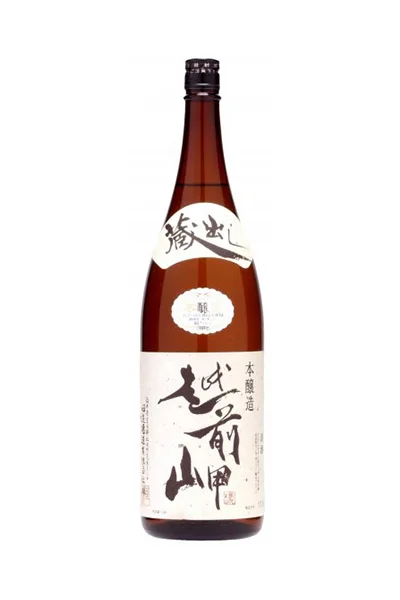
- Echizen Misaki Kuradashi Honjozo越前岬 蔵出し 本醸造
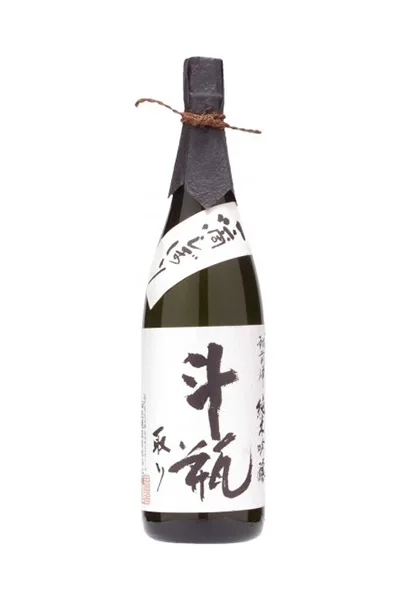
- Echizen Misaki Junmai Ginjo Tobin-dori越前岬 純米吟醸 斗瓶取り
- Echizen Misaki Junichie越前岬 純一絵
- Echizen Misaki Tokubetsu Junmai越前岬 特別純米酒
- Echizen Misaki Tsukiyo Funayu越前岬 月夜舟遊