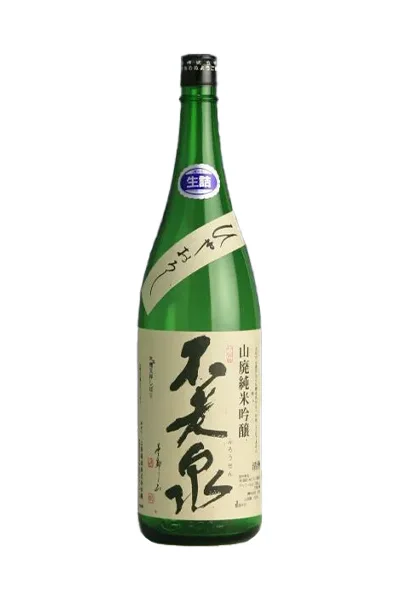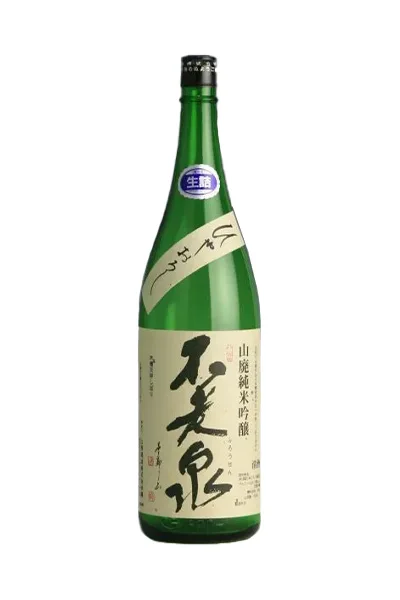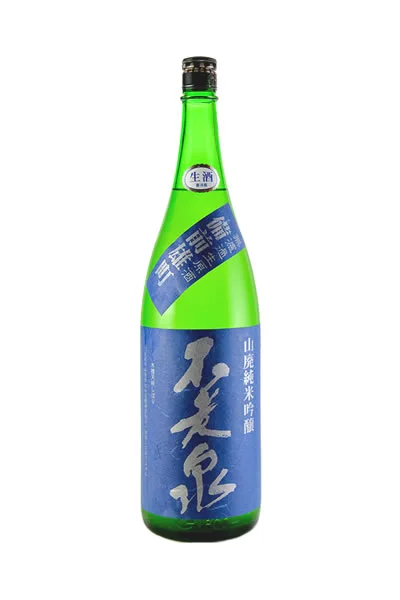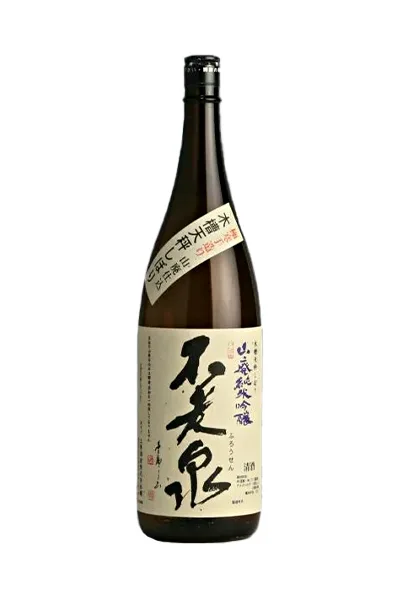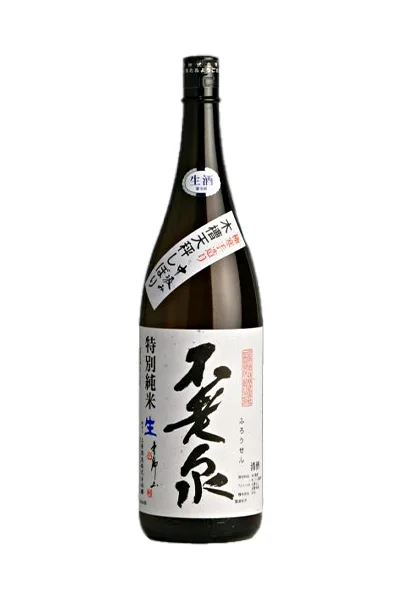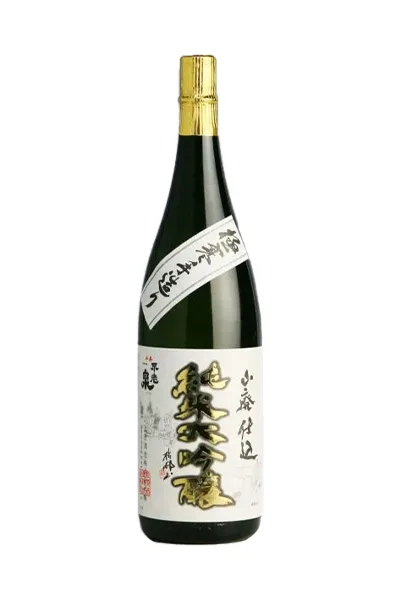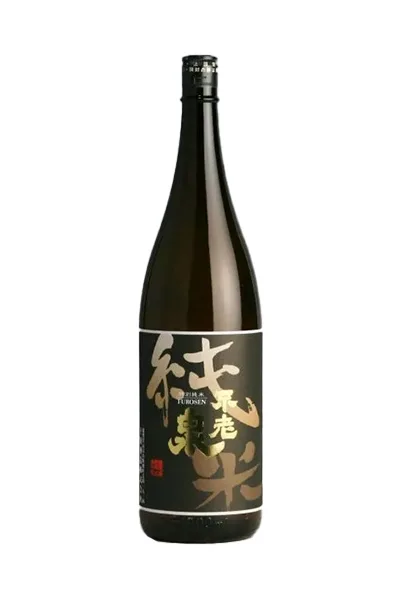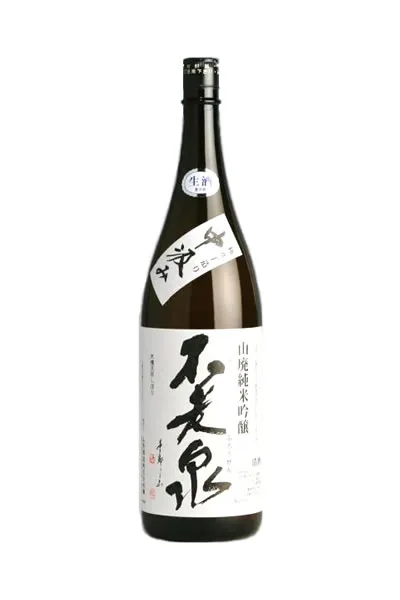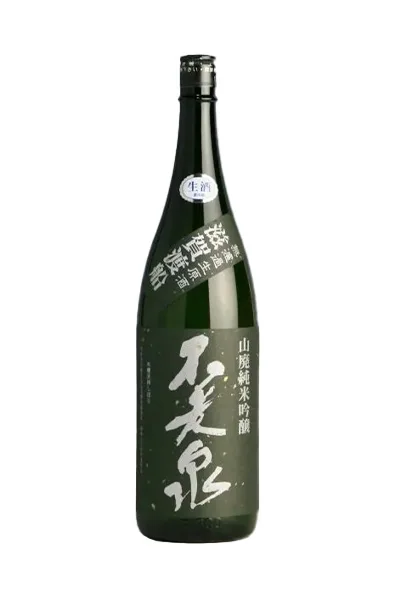
Furosen Yamahai Junmai Ginjo Shiga Watashibune
不老泉 山廃純米吟醸 滋賀渡船Junmai ginjo, rice polished to 55%, yamahai starter, unfiltered (muroka), unpasteurized (nama), undiluted (genshu)
Furosen — Uehara Shuzo, Shiga
Cleanly matured, pasteurized sake.
Specifications
- Type
- Junmai Ginjo
- Rice
- Not disclosed
- Rice polishing ratio
- 55%45% of each grain polished away
- Yeast
- Not disclosed
- Alcohol
- 16–16.9%
How to read these
- Type
- The grade printed on the label. It depends on the ingredients (rice only, or with a little distilled alcohol) and on how far the rice is polished. More
- Rice
- The rice variety. Most premium sake uses varieties grown for brewing, such as Yamada Nishiki. More
- Rice polishing ratio
- How much of each grain is left after polishing. A lower number means more was milled away, which usually gives a lighter, more aromatic sake. More
- Yeast
- The yeast strain, which shapes the aroma. More
- Alcohol
- Alcohol by volume. Most sake is 15–16%; undiluted (genshu) sake is often 17–18%. More
Flavor profile Full & complex
Full & complex — aromatic and full-bodied, including aged sake. Known in Japan as juku-shu (熟酒).
The description of a cleanly aged, pasteurized sake, combined with yamahai brewing and a genshu strength of about 16%, points to a full, mature body. Soft, clean sweetness is closed by acidity, and the 55% polish supports a moderate aroma rather than a strongly fruity one.
Estimated by AI from the published specifications and the brewery's description; your impression may differ.
About
Compared with the unfiltered nama genshu (unpasteurized, undiluted sake) made from the same ingredients, this soft yamahai (traditional yeast-starter method) junmai ginjo has a clean sweetness that feels gentle rather than straightforwardly sweet, and it finishes with a touch of acidity.
Other sake from this brand 31
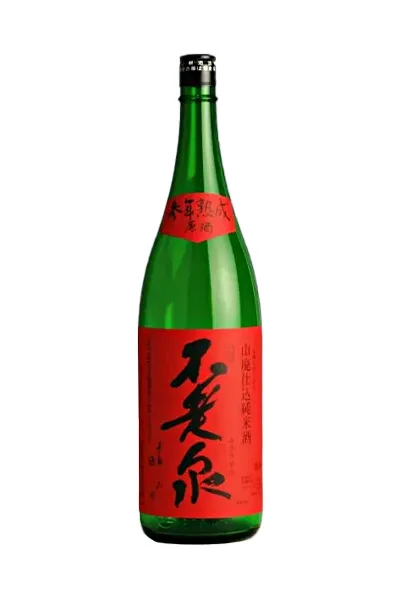
- Furosen Tokubetsu Junmai Yamahai Shikomi Genshu Sannen (Aka)不老泉 特別純米 山廃仕込原酒 参年(赤)
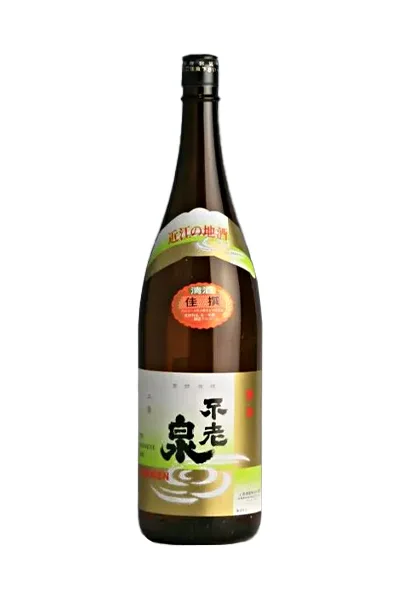
- Furosen Kasen不老泉 佳撰
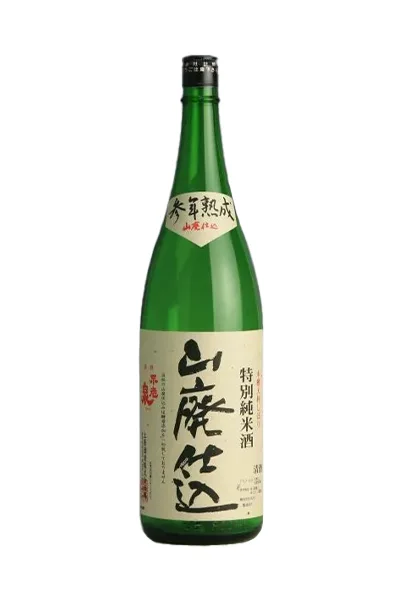
- Furosen Tokubetsu Junmai Yamahai Shikomi Sannen Jukusei不老泉 特別純米 山廃仕込 参年熟成
- Furosen Junmai Ginjo Hiyaoroshi不老泉 純米吟醸 ひやおろし
- Furosen Junmai Ginjo Yamahai Shikomi Hiyaoroshi不老泉 純米吟醸 山廃仕込 ひやおろし
- Furosen Yamahai Junmai Ginjo Bizen Omachi Muroka Nama Genshu不老泉 山廃純米吟醸 備前雄町 無濾過生原酒
- Furosen Josen不老泉 上撰
- Furosen Junmai Ginjo Yamahai Shikomi不老泉 純米吟醸 山廃仕込
- Furosen Tokubetsu Junmai Nakagumi不老泉 特別純米 中汲み
- Furosen Junmai Daiginjo Yamahai Shikomi不老泉 純米大吟醸 山廃仕込
- Furosen Tokubetsu Junmai不老泉 特別純米
- Furosen Yamahai Shikomi Junmai Ginjo Nakagumi Muroka Nama Genshu不老泉 山廃仕込 純米吟醸 中汲み 無濾過生原酒