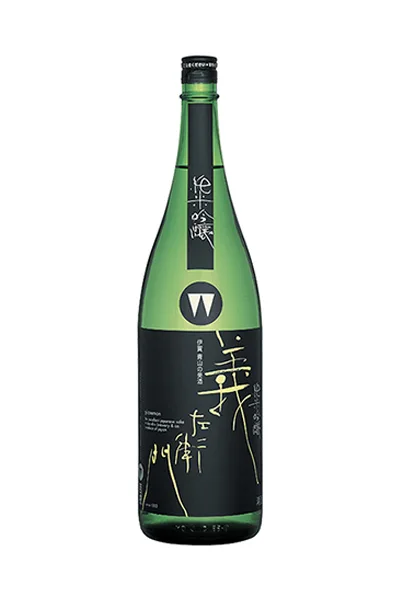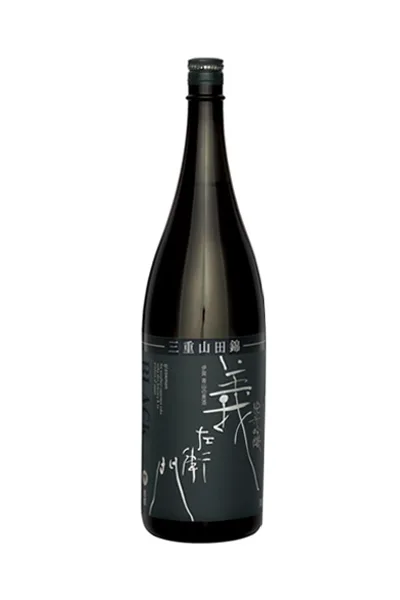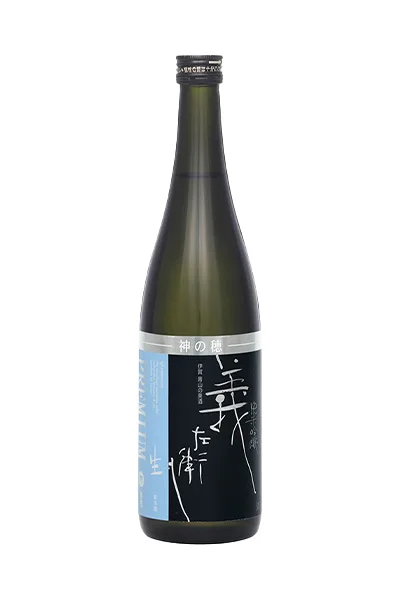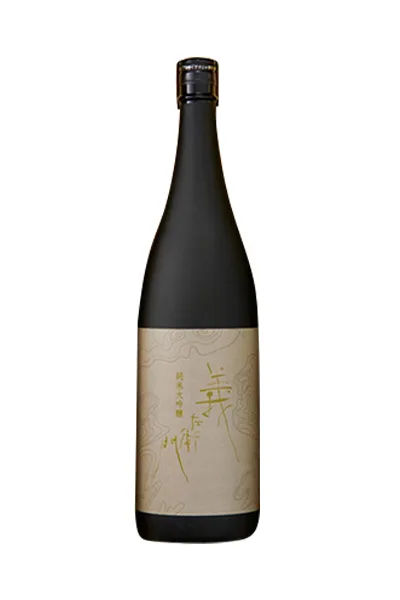
Gizaemon Junmai Daiginjo
義左衛門 純米大吟醸Junmai daiginjo, Yamada Nishiki rice polished to 35%
Gizaemon — Wakaebisu Shuzo, Mie
The flagship of the Gizaemon brand, named after the brewery's founder.
Specifications
- Type
- Junmai Daiginjo
- Rice
- Yamada Nishiki
- Rice polishing ratio
- 35%65% of each grain polished away
- Yeast
- Not disclosed
- Alcohol
- 16%
- Sake meter value
- +0medium
- Acidity
- 1.7
How to read these
- Type
- The grade printed on the label. It depends on the ingredients (rice only, or with a little distilled alcohol) and on how far the rice is polished. More
- Rice
- The rice variety. Most premium sake uses varieties grown for brewing, such as Yamada Nishiki. More
- Rice polishing ratio
- How much of each grain is left after polishing. A lower number means more was milled away, which usually gives a lighter, more aromatic sake. More
- Yeast
- The yeast strain, which shapes the aroma. More
- Alcohol
- Alcohol by volume. Most sake is 15–16%; undiluted (genshu) sake is often 17–18%. More
- Sake meter value
- A sweet-to-dry scale. Plus is drier, minus is sweeter. Acidity changes how it tastes, so treat it as a rough guide. More
- Acidity
- Total acid. Higher tends to taste fuller and drier; lower tastes lighter and sweeter. More
Flavor profile Aromatic & light
Aromatic & light — fruity, floral aroma with a light body. Known in Japan as kun-shu (薫酒).
The 35% polishing ratio and Yamada Nishiki junmai daiginjo specification point to a fragrant profile. An SMV of 0 with acidity of 1.7 suggests a light, clean body with moderate sweetness and some roundness.
Estimated by AI from the published specifications and the brewery's description; your impression may differ.
About
Clear air, water refined by mountain streams, and quality rice. The Iga Basin, surrounded on all sides by mountains. In 1986, Shigefuji Kyuichi, the fifth-generation brewery owner of Wakaebisu, worked to revive the cultivation of Yamada Nishiki, a sake rice, in the Iga region. This effort led to the creation of 'Mie Yamada Nishiki.' High-quality Mie Yamada Nishiki, carefully grown by dedicated local farmers, was polished to a rice polishing ratio of 35% and slowly, carefully brewed into this Junmai Daiginjo. The packaging uses the contour lines of the mountains surrounding the Iga Basin, where Mie Yamada Nishiki is grown, as its motif.
Other sake from this brand 7
- Gizaemon Junmai Ginjo義左衛門 純米吟醸
- Gizaemon Junmai Ginjo Hiyaoroshi義左衛門 純米吟醸 ひやおろし
- Gizaemon Junmai Ginjo BLACK義左衛門 純米吟醸 BLACK
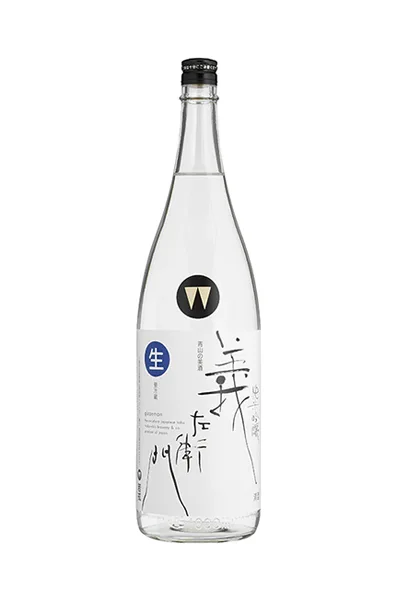
- Gizaemon Junmai Ginjo Nama義左衛門 純米吟醸 生
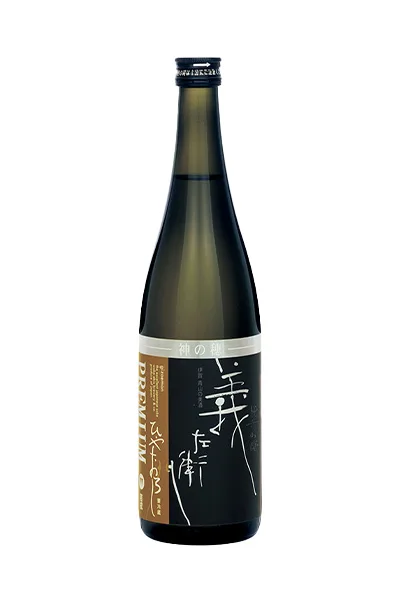
- Gizaemon Premium Junmai Ginjo Nama Kami no Ho義左衛門 PREMIUM 純米吟醸 生 神の穂
- Gizaemon Kobo Den WK-58義左衛門 酵母伝 WK-58
- Gizaemon Kobo Den WK-43義左衛門 酵母伝 WK-43