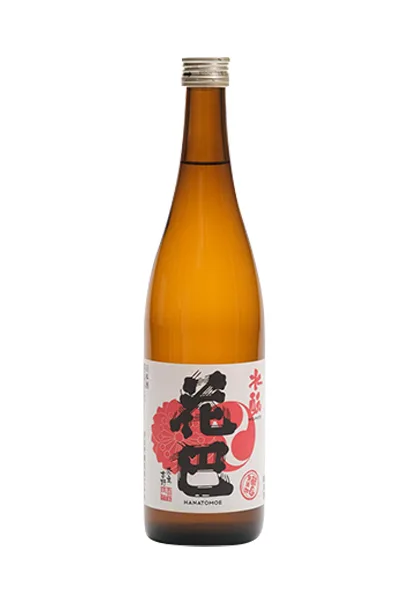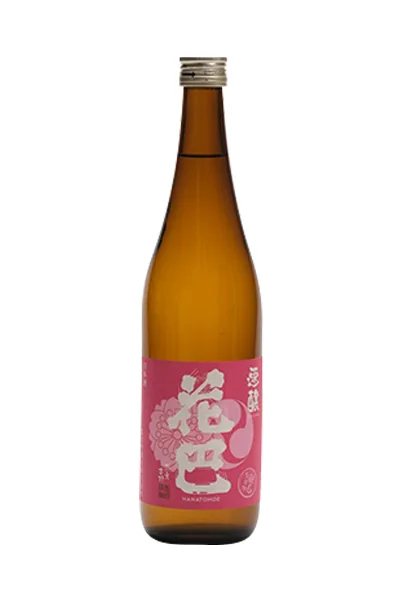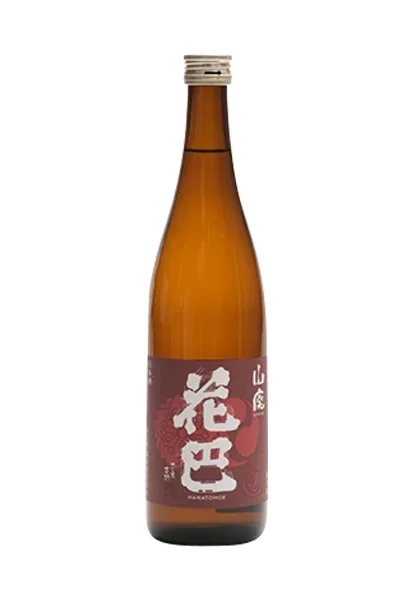
Hanatomoe Yamahai Junmai sake
花巴 山廃 純米酒Junmai, rice polished to 70%, yamahai starter, unfiltered (muroka), unpasteurized (nama), undiluted (genshu)
Hanatomoe — Miyoshino Jozo, Nara
A matured sake that is also the origin of Hanatomoe.
Specifications
- Type
- Junmai Shu
- Rice
- Not disclosed
- Rice polishing ratio
- 70%30% of each grain polished away
- Yeast
- Not disclosed
- Alcohol
- 17%
- Sake meter value
- +3slightly dry
- Acidity
- 3
How to read these
- Type
- The grade printed on the label. It depends on the ingredients (rice only, or with a little distilled alcohol) and on how far the rice is polished. More
- Rice
- The rice variety. Most premium sake uses varieties grown for brewing, such as Yamada Nishiki. More
- Rice polishing ratio
- How much of each grain is left after polishing. A lower number means more was milled away, which usually gives a lighter, more aromatic sake. More
- Yeast
- The yeast strain, which shapes the aroma. More
- Alcohol
- Alcohol by volume. Most sake is 15–16%; undiluted (genshu) sake is often 17–18%. More
- Sake meter value
- A sweet-to-dry scale. Plus is drier, minus is sweeter. Acidity changes how it tastes, so treat it as a rough guide. More
- Acidity
- Total acid. Higher tends to taste fuller and drier; lower tastes lighter and sweeter. More
Flavor profile Rich & umami
Rich & umami — rice-driven umami and a fuller body. Known in Japan as jun-shu (醇酒).
The yamahai brewing, acidity of 3.0, SMV of +3 and 17% undiluted genshu point to a full, rich body with a dry finish. The text's fresh, juicy notes and mellow aging suggest restrained aroma, placing it in the jun quadrant.
Estimated by AI from the published specifications and the brewery's description; your impression may differ.
About
Namazake (unpasteurized sake) This sake is not pasteurized and is bottled as an unfiltered Nama Genshu. Depending on the timing of bottling, sediment may be present. It is stored refrigerated at low temperature, so changes in flavor from aging progress slowly. Compared with pasteurized sake, it has a livelier character and less sense of maturity. Nama jukusei (unpasteurized aging) The sake is shipped after a maturation period of more than one year of low-temperature aging. It keeps a refreshing, juicy aroma and flavor, while the low-temperature aging adds mellowness and a pleasing lingering finish. It is an understated, refined gem (ibushi-gin), and a sake that lets you fully appreciate the value of aging.
Other sake from this brand 5
- Hanatomoe Mizumoto Junmai sake花巴 水もと 純米酒
- Hanatomoe Sokujo Junmai sake花巴 速醸 純米酒
- Hanatomoe Yamahai Honjozo花巴 山廃 本醸造
- Hanatomoe Yamahai Junmai Ginjo花巴 山廃 純米吟醸
- Hanatomoe Yamahai Junmai Daiginjo花巴 山廃 純米大吟醸