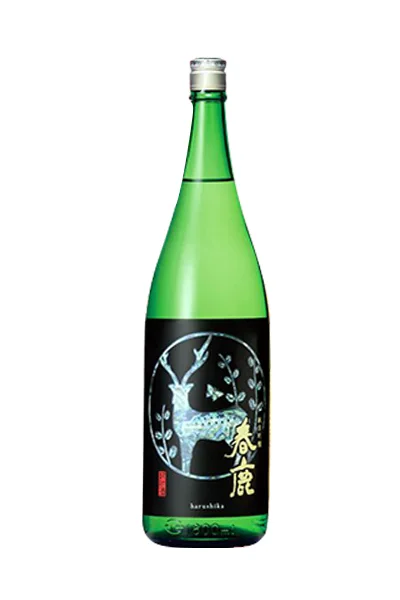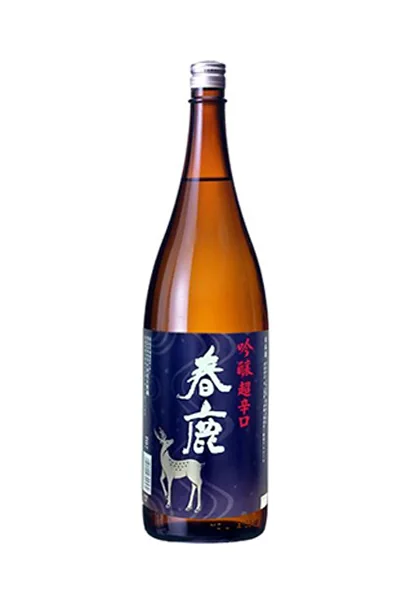
Harushika Ginjo Cho-karakuchi
春鹿 吟醸 超辛口Ginjo, Gohyakumangoku rice polished to 60%, extra dry
Harushika — Imanishi Seibei Shoten, Nara
Gentle, refined aroma and mellow rice umami, with a crisp, clean finish that leaves no lingering aftertaste.
Specifications
- Type
- Ginjo
- Rice
- Gohyakumangoku
- Rice polishing ratio
- 60%40% of each grain polished away
- Yeast
- Kyokai No. 9
- Alcohol
- 15–16%
- Sake meter value
- +8very dry
How to read these
- Type
- The grade printed on the label. It depends on the ingredients (rice only, or with a little distilled alcohol) and on how far the rice is polished. More
- Rice
- The rice variety. Most premium sake uses varieties grown for brewing, such as Yamada Nishiki. More
- Rice polishing ratio
- How much of each grain is left after polishing. A lower number means more was milled away, which usually gives a lighter, more aromatic sake. More
- Yeast
- The yeast strain, which shapes the aroma. More
- Alcohol
- Alcohol by volume. Most sake is 15–16%; undiluted (genshu) sake is often 17–18%. More
- Sake meter value
- A sweet-to-dry scale. Plus is drier, minus is sweeter. Acidity changes how it tastes, so treat it as a rough guide. More
Flavor profile Aromatic & light
Aromatic & light — fruity, floral aroma with a light body. Known in Japan as kun-shu (薫酒).
A ginjo sake at 60% polishing with SMV +8 reads as very dry, and the description of gentle, refined aroma, mellow rice umami and clean finish points to moderate aroma, light-to-medium body and low sweetness.
Estimated by AI from the published specifications and the brewery's description; your impression may differ.
About
A mellow sake with a clean finish. This is Harushika's challenge in ginjo cho-karakuchi (extra-dry ginjo). Its gentle, refined aroma and mellow rice umami, together with a crisp finish that leaves no lingering aftertaste, make it a new standard for extra-dry sake. Normally, cho-karakuchi sake is pasteurized, diluted with water, and aged for a period before bottling. This limited release, however, is bottled as Nama Genshu (undiluted, unpasteurized sake).
Other sake from this brand 12
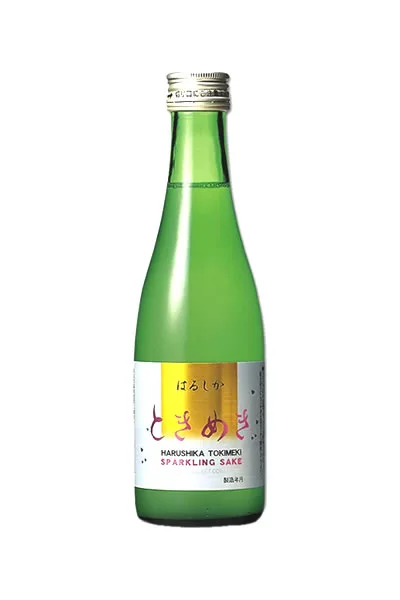
- Harushika Sparkling Junmai Tokimeki春鹿 発泡性純米酒 ときめき
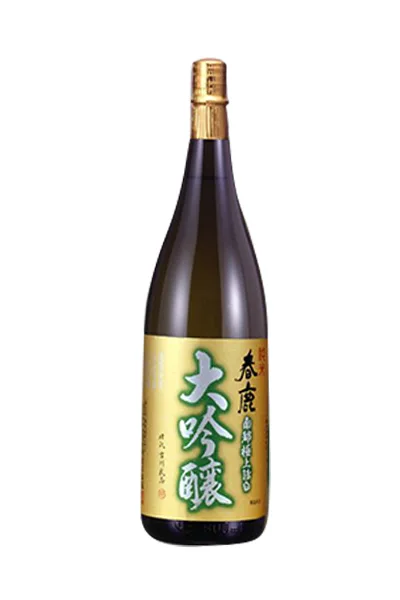
- Harushika Junmai Daiginjo春鹿 純米大吟醸
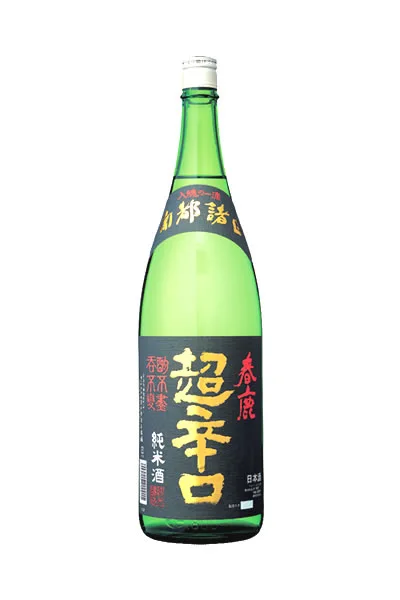
- Harushika Junmai Cho-karakuchi春鹿 純米 超辛口
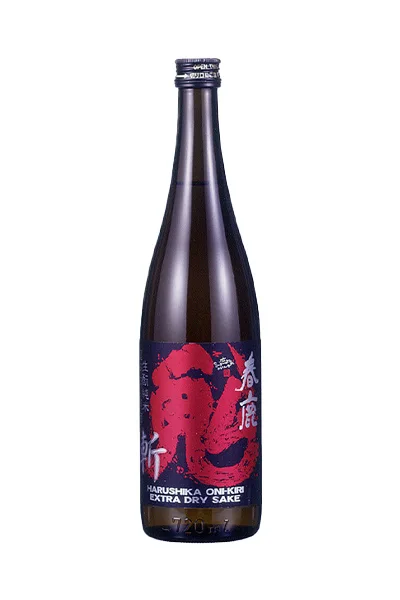
- Harushika Yamahai Junmai Cho-karakuchi Genshu Onikiri春鹿 山廃純米 超辛口 原酒 鬼斬
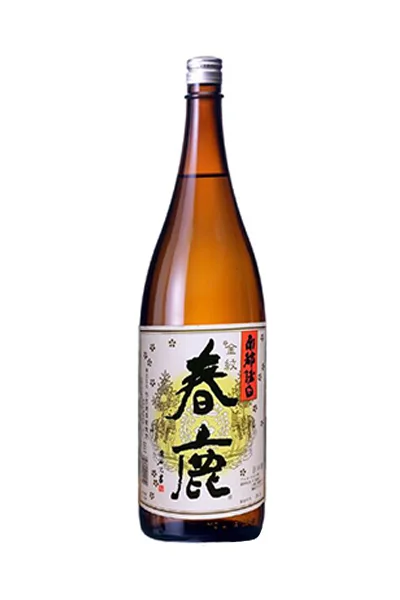
- Harushika Kinmon春鹿 金紋
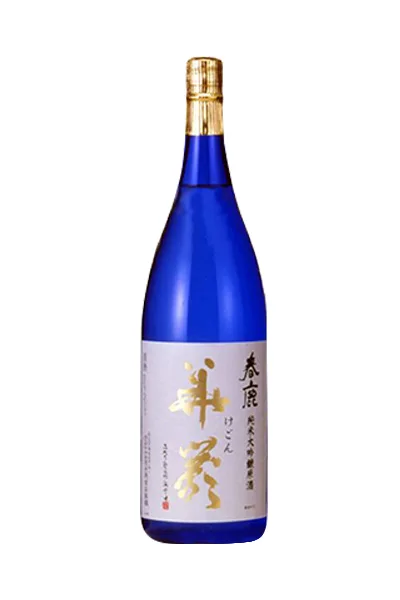
- Harushika Junmai Daiginjo Genshu Kegon春鹿 純米大吟醸 原酒 華厳
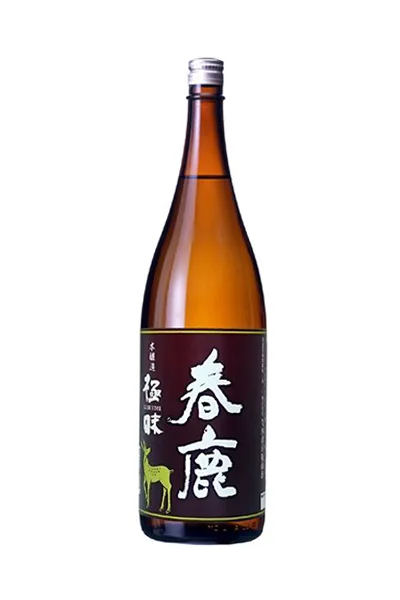
- Harushika Kiwami Aji春鹿 極味
- Harushika Junmai Ginjo Fuinshu春鹿 純米吟醸 封印酒
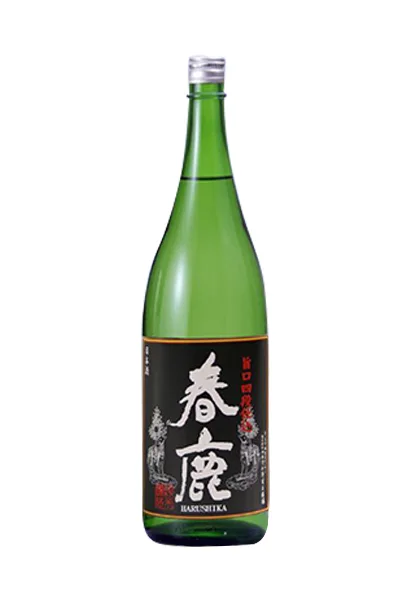
- Harushika Umakuchi Kanshu春鹿 旨口燗酒
- Harushika Yamahai Junmai Cho-karakuchi Nama Genshu Ao no Onikiri春鹿 山廃純米 超辛口 生原酒 青乃鬼斬
- Harushika Junmai Daiginjo Shizuku-zake春鹿 純米大吟醸 雫酒