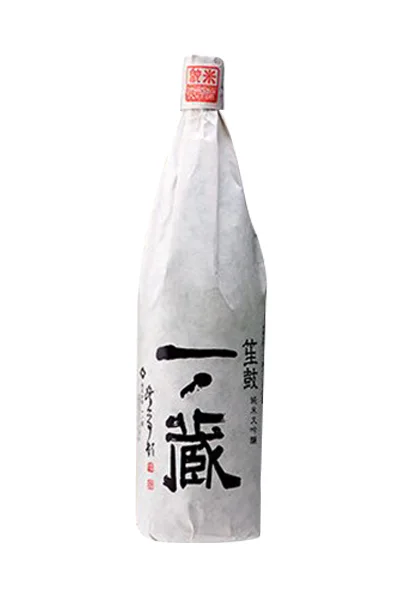
Ichinokura Junmai Daiginjo Shoko
一ノ蔵 純米大吟醸 笙鼓Junmai daiginjo, Yamada Nishiki rice polished to 35%
Ichinokura — Ichinokura, Miyagi
Ichinokura's finest, gathering the refined spirit of traditional sake brewing
Specifications
- Type
- Junmai Daiginjo
- Rice
- Yamada Nishiki
- Rice polishing ratio
- 35%65% of each grain polished away
- Yeast
- Not disclosed
- Alcohol
- 15%
- Sake meter value
- -3–-1slightly sweet
- Acidity
- 1.2
How to read these
- Type
- The grade printed on the label. It depends on the ingredients (rice only, or with a little distilled alcohol) and on how far the rice is polished. More
- Rice
- The rice variety. Most premium sake uses varieties grown for brewing, such as Yamada Nishiki. More
- Rice polishing ratio
- How much of each grain is left after polishing. A lower number means more was milled away, which usually gives a lighter, more aromatic sake. More
- Yeast
- The yeast strain, which shapes the aroma. More
- Alcohol
- Alcohol by volume. Most sake is 15–16%; undiluted (genshu) sake is often 17–18%. More
- Sake meter value
- A sweet-to-dry scale. Plus is drier, minus is sweeter. Acidity changes how it tastes, so treat it as a rough guide. More
- Acidity
- Total acid. Higher tends to taste fuller and drier; lower tastes lighter and sweeter. More
Flavor profile Aromatic & light
Aromatic & light — fruity, floral aroma with a light body. Known in Japan as kun-shu (薫酒).
The 35% polishing ratio and the description of a vivid ginjo aroma and fruity sweetness point to a highly aromatic profile. A sake meter value of -3 to -1 with low acidity (1.2) suggests a sweet, soft, fairly light body, placing it in the kun quadrant.
Estimated by AI from the published specifications and the brewery's description; your impression may differ.
About
Made with Yamada Nishiki, the pinnacle of sake rice, polished in-house to a rice polishing ratio of 35%. The sake is carefully brewed in small batches with low-temperature fermentation. On the palate, a fruit-like sweetness spreads through the mouth, and an elegant flavor emerges in which umami, sweetness, and acidity are well balanced. Its vivid ginjo aroma (fruity and floral, characteristic of ginjo brewing) adds to the experience. Limited release, well suited as a gift. Label calligraphy by Kaneko Outei, a recipient of the Order of Culture. The description applies to sake served at room temperature (around 20°C).
Other sake from this brand 17
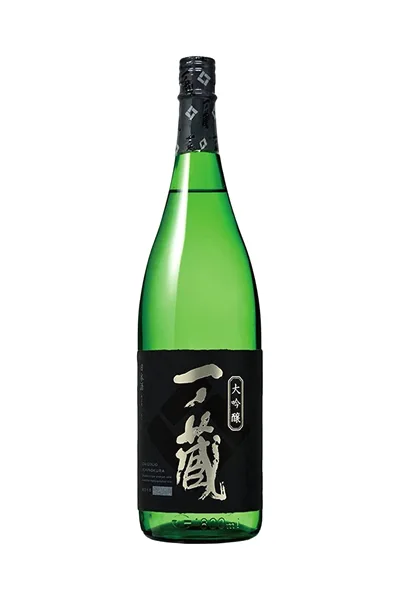
- Ichinokura Daiginjo一ノ蔵 大吟醸
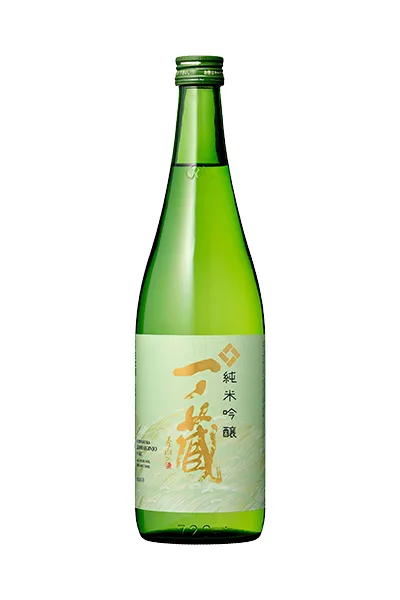
- Ichinokura Junmai Ginjo一ノ蔵 純米吟醸
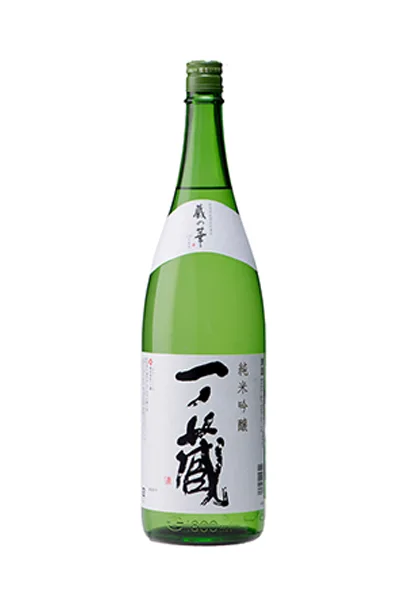
- Ichinokura Junmai Ginjo Kura no Hana一ノ蔵 純米吟醸 蔵の華
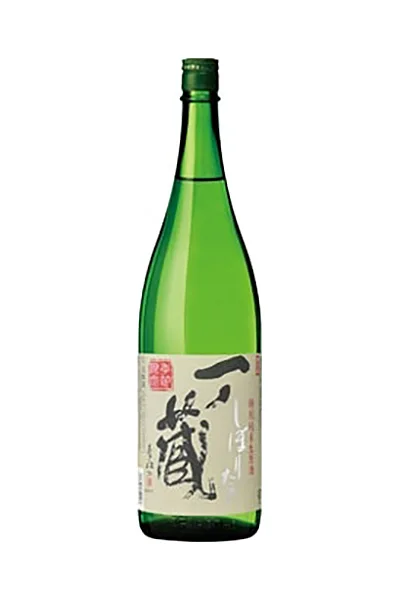
- Ichinokura Shiboritate一ノ蔵 しぼりたて
- Ichinokura Mukansa Honjozo Dry一ノ蔵 無鑑査 本醸造 辛口
- Ichinokura Taru一ノ蔵 樽
- Ichinokura Nigori Sake一ノ蔵 にごり酒
- Ichinokura Yuki-mai Shikomi Tokubetsu Junmai一ノ蔵 有機米仕込 特別純米酒
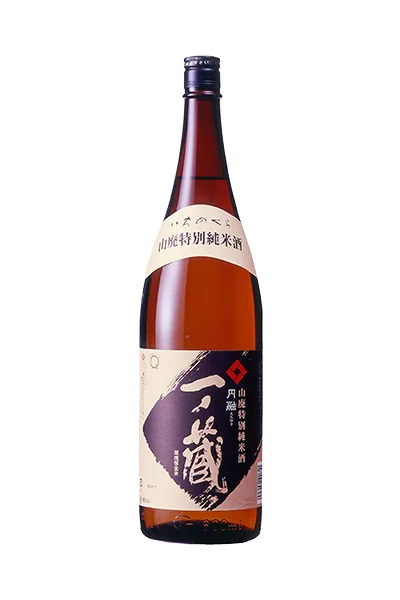
- Ichinokura Yamahai Junmai Enyu一ノ蔵 山廃純米酒 円融
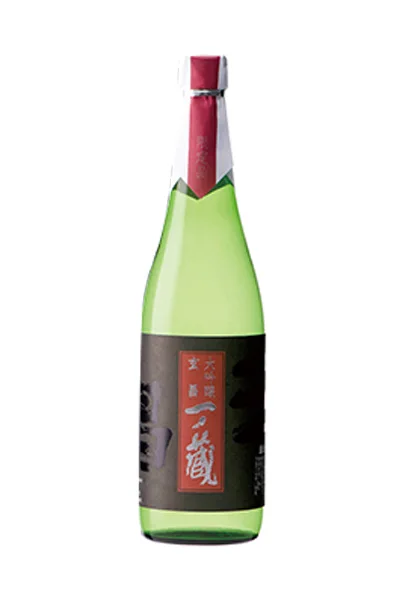
- Ichinokura Daiginjo Gensho一ノ蔵 大吟醸 玄昌
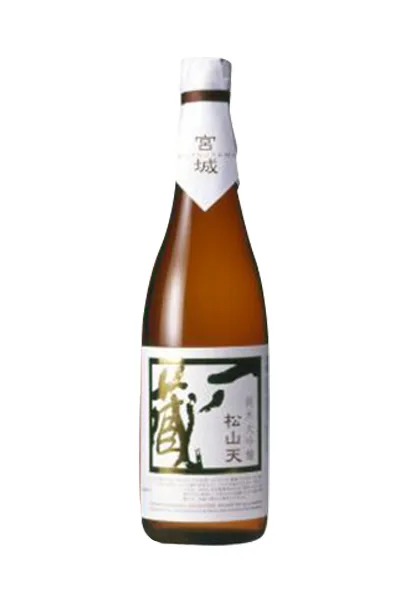
- Ichinokura Junmai Daiginjo Matsuyama Ten一ノ蔵 純米大吟醸 松山天
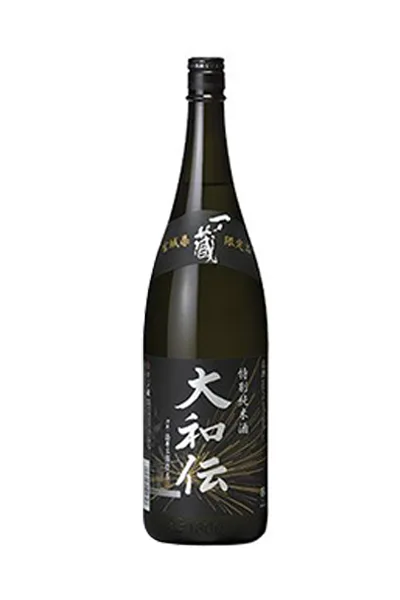
- Ichinokura Tokubetsu Junmai Yamato Den一ノ蔵 特別純米 大和伝