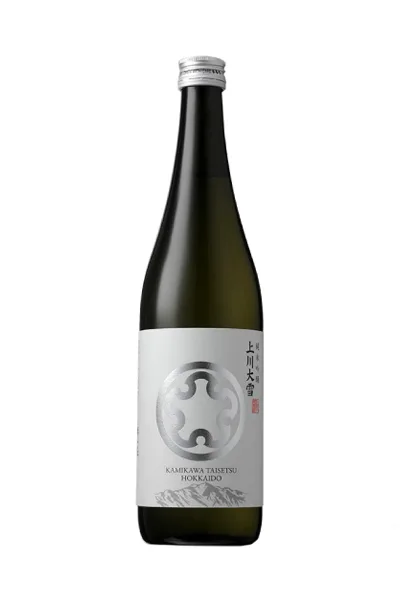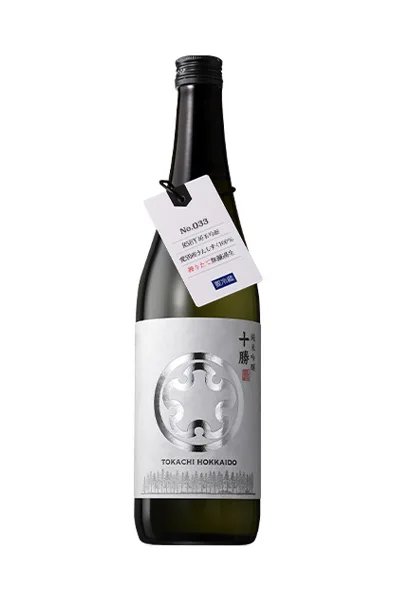
Tokachi Aibetsu-san Kitashizuku Junmai Ginjo Shiboritate Muroka Nama
十勝 愛別産きたしずく 純米吟醸 搾りたて無濾過生酒Junmai ginjo, Kitashizuku rice polished to 55%, unfiltered (muroka), unpasteurized (nama), freshly pressed new sake
Kamikawa Taisetsu — Kamikawa Taisetsu Sake Brewery, Hokkaido
Enjoy it chilled, at room temperature, or warmed, in whatever way suits your taste.
Specifications
- Type
- Junmai Ginjo
- Rice
- Kitashizuku
- Rice polishing ratio
- 55%45% of each grain polished away
- Yeast
- Not disclosed
- Alcohol
- 16%
How to read these
- Type
- The grade printed on the label. It depends on the ingredients (rice only, or with a little distilled alcohol) and on how far the rice is polished. More
- Rice
- The rice variety. Most premium sake uses varieties grown for brewing, such as Yamada Nishiki. More
- Rice polishing ratio
- How much of each grain is left after polishing. A lower number means more was milled away, which usually gives a lighter, more aromatic sake. More
- Yeast
- The yeast strain, which shapes the aroma. More
- Alcohol
- Alcohol by volume. Most sake is 15–16%; undiluted (genshu) sake is often 17–18%. More
Flavor profile Aromatic & light
Aromatic & light — fruity, floral aroma with a light body. Known in Japan as kun-shu (薫酒).
A 55% polished junmai ginjo nama with muroka character suggests a gently aromatic, light-bodied profile. The text describes strong rice sweetness, a slightly sharp finish and a swelling, lingering body.
Estimated by AI from the published specifications and the brewery's description; your impression may differ.
About
[Message from Toji (master brewer) Wakayama (若山)] This year's sake rice has been affected by the summer heat, and it is showing signs of saccharifying less readily than usual. Even so, the Kitashizuku from Aibetsu was a rice that tasted noticeably sweet when steamed. The brewers assess the character of each year's sake rice and, while accepting its influence, pursue the flavor and drinkability they aim for in their sake and brew accordingly. This Junmai Ginjo uses more koji than last year and goes through a fermentation that draws out the sweetness and umami of the sake rice to the fullest. The result is light and slightly sharp, yet it has the depth and lingering finish characteristic of Hekiun-gura.
Other sake from this brand 15
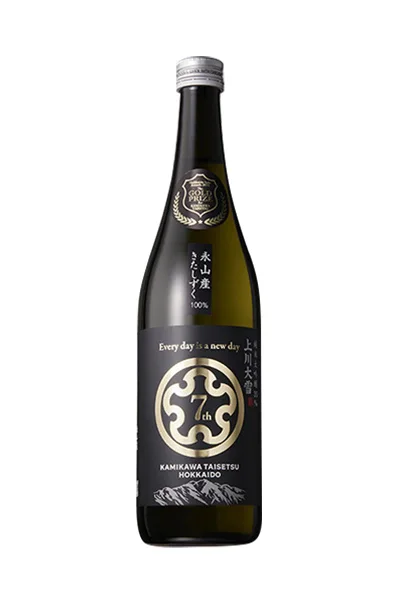
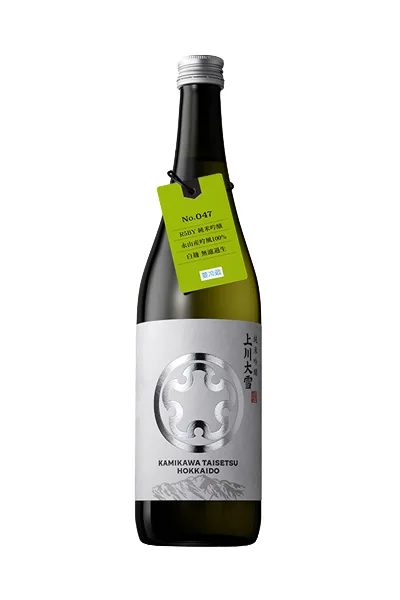
- Kamikawa Taisetsu Junmai Daiginjo 35% Nagayama-san Kitashizuku上川大雪 純米大吟醸35% 永山産きたしずく
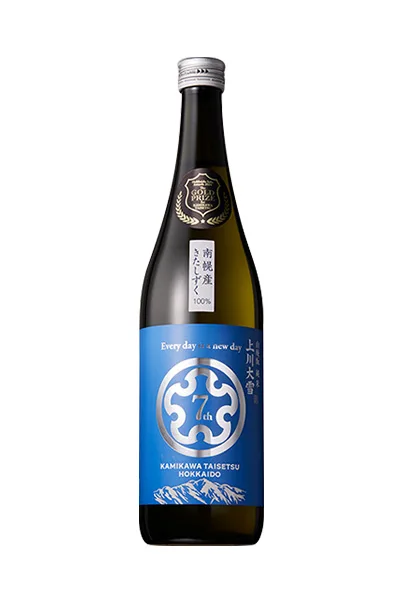
- Kamikawa Taisetsu Yamahai Junmai Nanporo-grown Kitashizuku上川大雪 山廃酛 純米 南幌産きたしずく
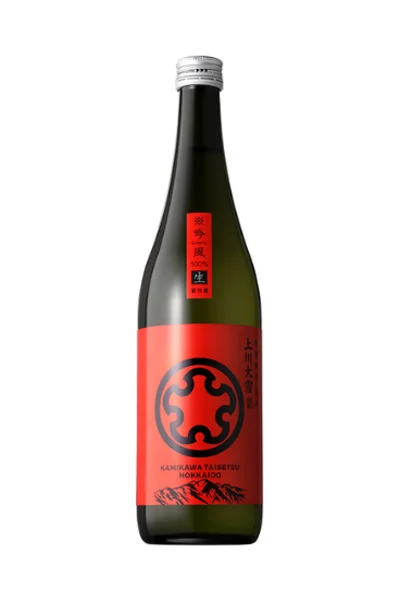
- Kamikawa Taisetsu Tokubetsu Junmai Karakuchi Ginpu Nama上川大雪 特別純米 辛口 吟風・生酒
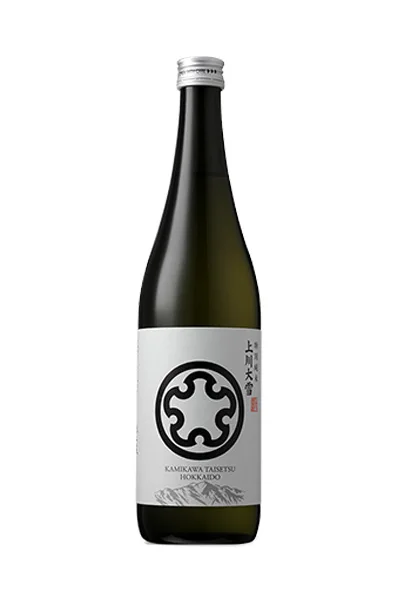
- Kamikawa Taisetsu Tokubetsu Junmai上川大雪 特別純米
- Kamikawa Taisetsu Junmai Ginjo上川大雪 純米吟醸
- Kamikawa Taisetsu Junmai Daiginjo 40上川大雪 純米大吟醸40
- Kamikawa Taisetsu Junmai Daiginjo 35上川大雪 純米大吟醸35
- Kamikawa Taisetsu Uryu-grown Suisei Yamahai Junmai Akijuku上川大雪 雨竜産彗星 山廃酛 純米 秋熟
- Kamikawa Taisetsu Nagayama-san Ginpu Junmai Ginjo Shiro Koji Muroka Nama上川大雪 永山産吟風 純米吟醸 白麹 無濾過生酒
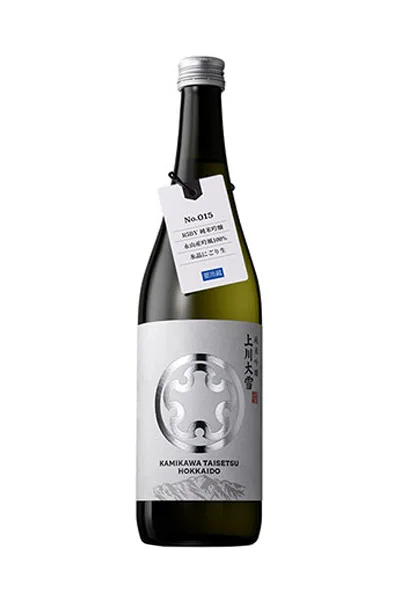
- Kamikawa Taisetsu Nagayama-san Ginpu Junmai Ginjo Hyosho Nigori Nama上川大雪 永山産吟風 純米吟醸 氷晶にごり 生酒
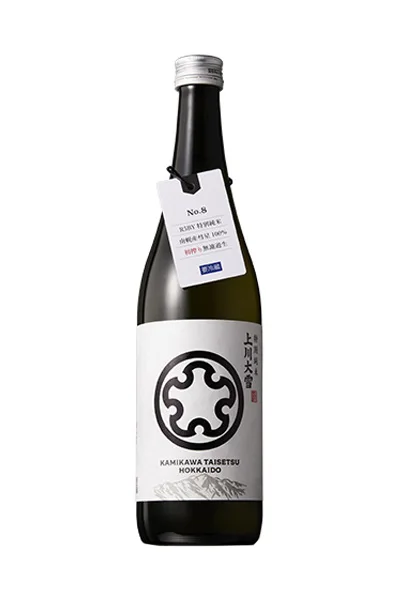
- Kamikawa Taisetsu Tokubetsu Junmai Nanporo-grown Suisei Hatsushibori Muroka Namazake上川大雪 特別純米 南幌産彗星 初搾り 無濾過生酒
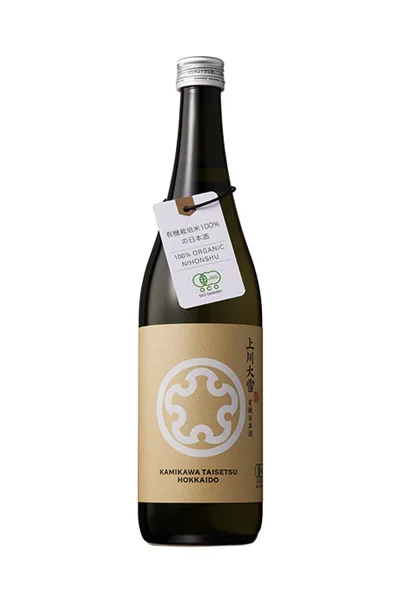
- Kamikawa Taisetsu 100% Organic Tobetsu-grown Ginpu Namazake上川大雪 100%オーガニック 当別産 吟風 生酒