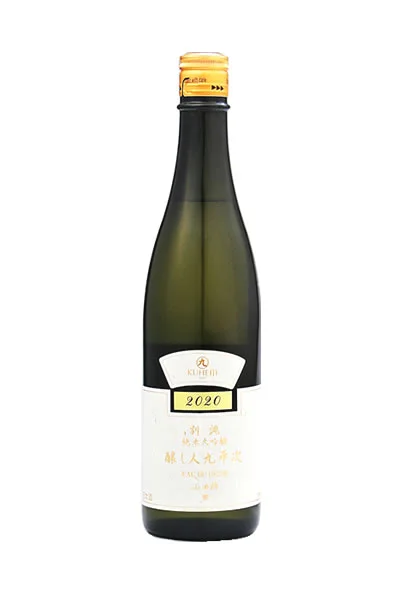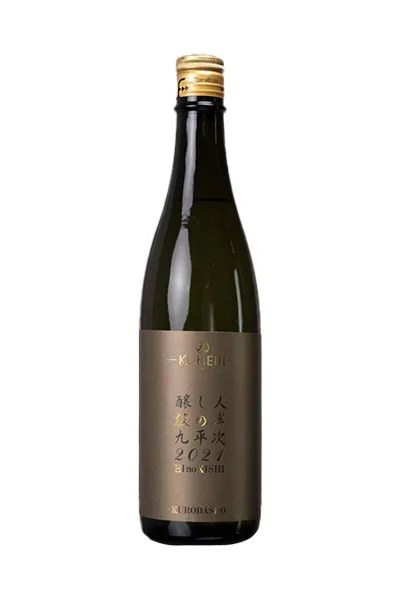
Kamoshibito Kuheiji Kanojo no Kishi
醸し人九平次 彼の岸Junmai daiginjo, rice polished to 30%
Kamoshibito Kuheiji — Banjo Jozo, Aichi
The world Kuno Kuheiji set out to express A brewer's mission is to draw out the character of each rice variety, its terroir, and its vintage, and let them be reborn as sake.
Specifications
- Type
- Junmai Daiginjo
- Rice
- Not disclosed
- Rice polishing ratio
- 30%70% of each grain polished away
- Yeast
- Not disclosed
How to read these
- Type
- The grade printed on the label. It depends on the ingredients (rice only, or with a little distilled alcohol) and on how far the rice is polished. More
- Rice
- The rice variety. Most premium sake uses varieties grown for brewing, such as Yamada Nishiki. More
- Rice polishing ratio
- How much of each grain is left after polishing. A lower number means more was milled away, which usually gives a lighter, more aromatic sake. More
- Yeast
- The yeast strain, which shapes the aroma. More
Flavor profile Aromatic & light
Aromatic & light — fruity, floral aroma with a light body. Known in Japan as kun-shu (薫酒).
Polished to 30% as a junmai daiginjo, it points to a high, ginjo-style aroma. The junmai designation adds some rice-derived body, suggesting a fragrant, moderately full and gently sweet profile.
Estimated by AI from the published specifications and the brewery's description; your impression may differ.
About
No matter how skilled a brewer may be, there is one thing that cannot be done: the rice variety cannot be swapped during brewing. Any craftsman would surely feel that it is not right to speak about sake without ever having grown rice. Any craftsman would wish to have even better raw material. With that wish, the brewery began growing its own rice in 2010. Growing rice has changed us. Rice is a single small grain to you, but to us it has come to look larger than it did before. You may think of rice as something hard and unchanging. Yet shaped by the weather (vintage), we have come to realize that the qualities within each grain differ remarkably from year to year. We have also come to realize how powerless people are before the weather. What we want to convey to you through sake is this: every year, each rice paddy holds its own drama and terroir, and sake brewing begins in the paddy.
Other sake from this brand 20
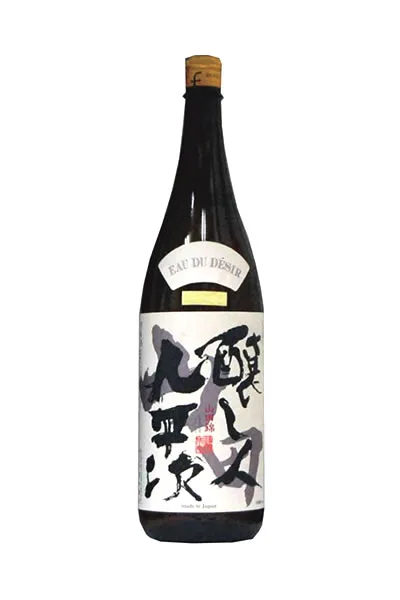
- Kamoshibito Kuheiji Yamada Nishiki EAU DU DÉSIR醸し人九平次 山田錦 EAU DU DÉSIR
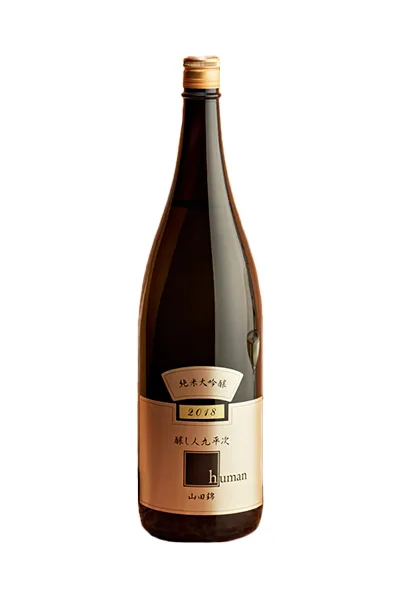
- Kamoshibito Kuheiji human醸し人九平次 human
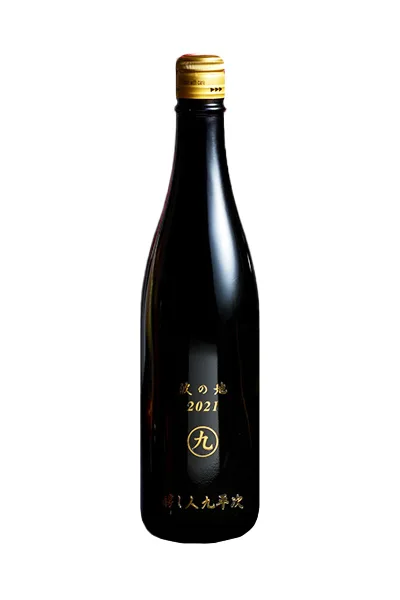
- Kamoshibito Kuheiji Kano Chi醸し人九平次 彼の地
- Kamoshibito Kuheiji Betsu-atsurae醸し人九平次 別誂
- Kamoshibito Kuheiji Honjozo醸し人九平次 本醸造
- Kamoshibito Kuheiji Daiginjo Muroka Warimizu Nashi醸し人九平次 大吟醸 無濾過 割水無
- Kamoshibito Kuheiji Ginjo Gohyakumangoku醸し人九平次 吟醸 五百万石
- Kamoshibito Kuheiji Junmai Ginjo Gohyakumangoku 50%醸し人九平次 純米吟醸 五百万石 50%
- Kamoshibito Kuheiji Daiginjo Fukurodori Tobin Gakoi醸し人九平次 大吟醸 袋取り 斗瓶囲い
- Kamoshibito Kuheiji Ginjo Usunigori Nama Gohyakumangoku醸し人九平次 吟醸 うすにごり 生 五百万石
- Kamoshibito Kuheiji Ginjo Yamada Nishiki醸し人九平次 吟醸 山田錦
- Kamoshibito Kuheiji Junmai Ginjo Gohyakumangoku 55%醸し人九平次 純米吟醸 五百万石 55%