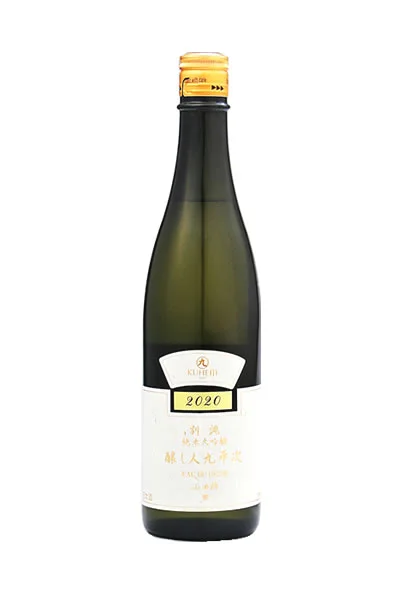
醸し人九平次No photo yet
Kamoshibito Kuheiji Hi to Tsuki no Aida ni Yamada Nishiki
醸し人九平次 火と月の間に 山田錦Junmai daiginjo, Yamada Nishiki rice polished to 50%
Kamoshibito Kuheiji — Banjo Jozo, Aichi
Specifications
- Type
- Junmai Daiginjo
- Rice
- 山田錦
- Rice polishing ratio
- 50%50% of each grain polished away
- Sake meter value
- +0medium
How to read these
- Type
- The grade printed on the label. It depends on the ingredients (rice only, or with a little distilled alcohol) and on how far the rice is polished. More
- Rice
- The rice variety. Most premium sake uses varieties grown for brewing, such as Yamada Nishiki. More
- Rice polishing ratio
- How much of each grain is left after polishing. A lower number means more was milled away, which usually gives a lighter, more aromatic sake. More
- Sake meter value
- A sweet-to-dry scale. Plus is drier, minus is sweeter. Acidity changes how it tastes, so treat it as a rough guide. More
Flavor profile Aromatic & light
RestrainedAromatic
RichLight
Aromatic & light — fruity, floral aroma with a light body. Known in Japan as kun-shu (薫酒).
The 50% polishing ratio and daiginjo grade point to a clearly aromatic profile, while an SMV of 0 suggests moderate sweetness. The junmai style adds some rice fullness, so the body sits slightly on the light side, placing it in the kun (aromatic and light) category.
Estimated by AI from the published specifications and the brewery's description; your impression may differ.
Other sake from this brand 20
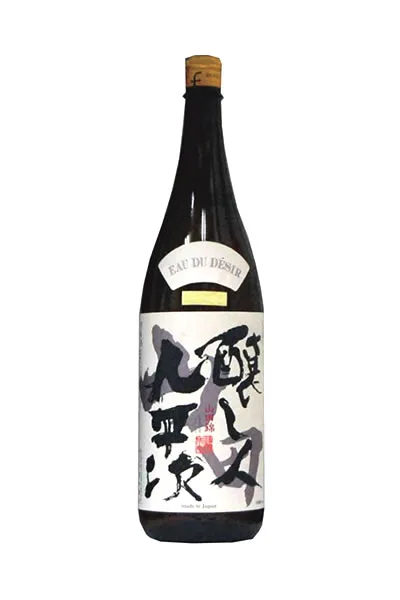
- Kamoshibito Kuheiji Yamada Nishiki EAU DU DÉSIR醸し人九平次 山田錦 EAU DU DÉSIR
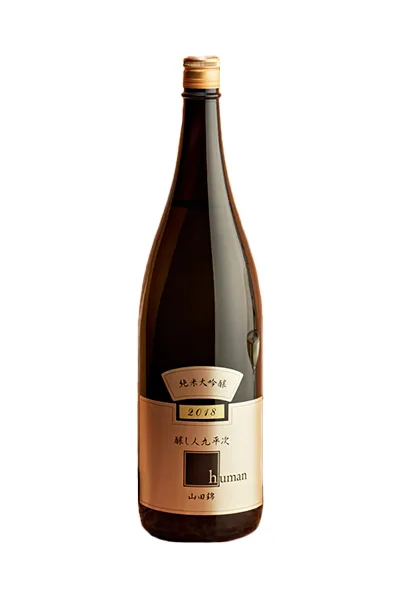
- Kamoshibito Kuheiji human醸し人九平次 human
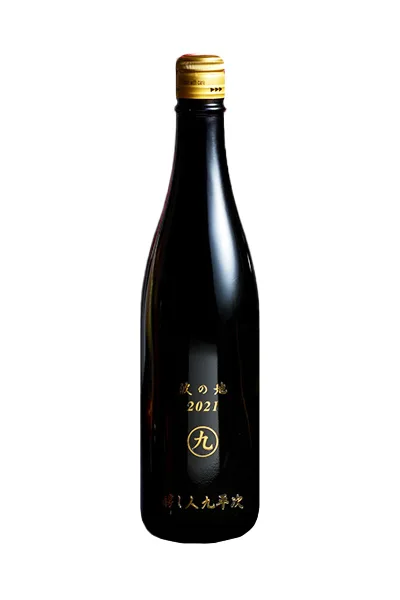
- Kamoshibito Kuheiji Kano Chi醸し人九平次 彼の地
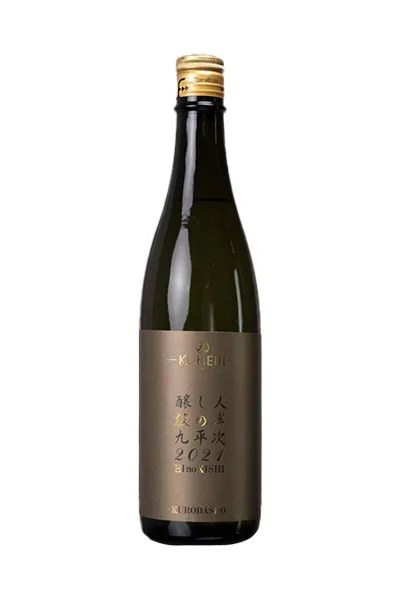
- Kamoshibito Kuheiji Kanojo no Kishi醸し人九平次 彼の岸
- Kamoshibito Kuheiji Betsu-atsurae醸し人九平次 別誂
- Kamoshibito Kuheiji Honjozo醸し人九平次 本醸造
- Kamoshibito Kuheiji Daiginjo Muroka Warimizu Nashi醸し人九平次 大吟醸 無濾過 割水無
- Kamoshibito Kuheiji Ginjo Gohyakumangoku醸し人九平次 吟醸 五百万石
- Kamoshibito Kuheiji Junmai Ginjo Gohyakumangoku 50%醸し人九平次 純米吟醸 五百万石 50%
- Kamoshibito Kuheiji Daiginjo Fukurodori Tobin Gakoi醸し人九平次 大吟醸 袋取り 斗瓶囲い
- Kamoshibito Kuheiji Ginjo Usunigori Nama Gohyakumangoku醸し人九平次 吟醸 うすにごり 生 五百万石
- Kamoshibito Kuheiji Ginjo Yamada Nishiki醸し人九平次 吟醸 山田錦