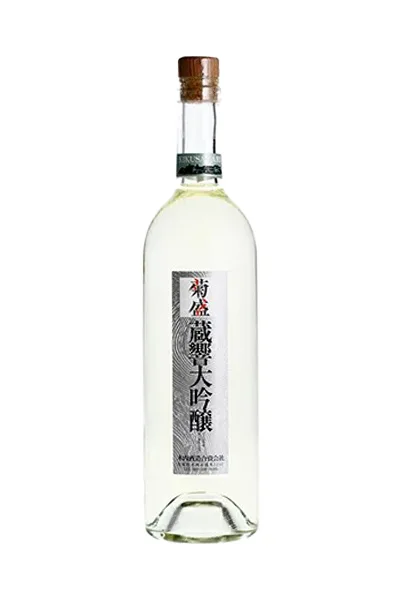
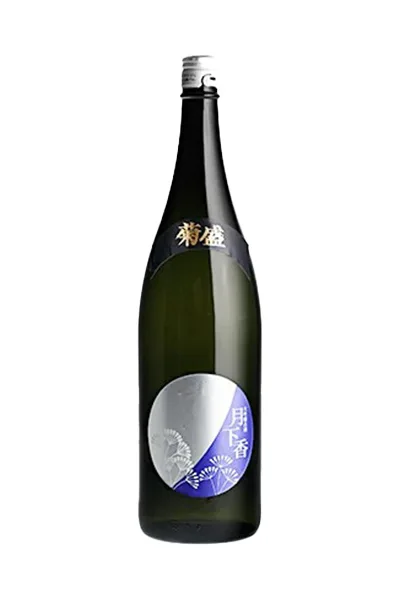
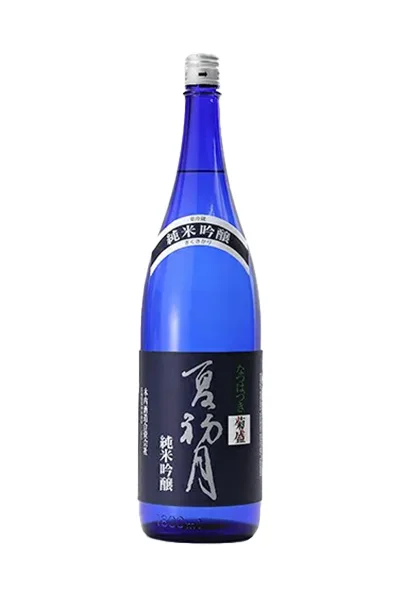
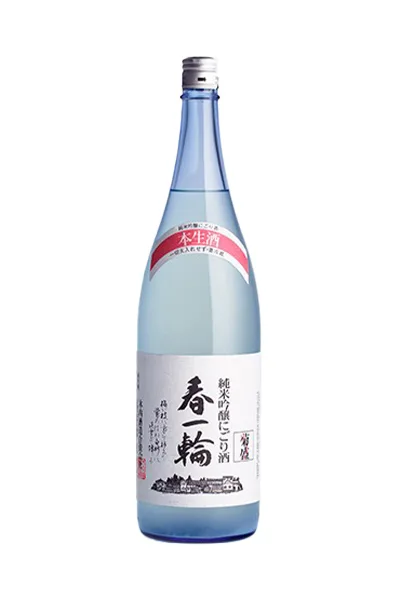
菊盛No photo yet
Kikusakari Pure Ibaraki
菊盛 ピュア茨城Junmai daiginjo, Hitachi Nishiki rice polished to 45%
Kikusakari — Kiuchi Shuzo, Ibaraki
Specifications
- Type
- Junmai Daiginjo
- Rice
- ひたち錦
- Rice polishing ratio
- 45%55% of each grain polished away
- Yeast
- ひたち酵母
- Alcohol
- 16.6%
- Sake meter value
- +0medium
How to read these
- Type
- The grade printed on the label. It depends on the ingredients (rice only, or with a little distilled alcohol) and on how far the rice is polished. More
- Rice
- The rice variety. Most premium sake uses varieties grown for brewing, such as Yamada Nishiki. More
- Rice polishing ratio
- How much of each grain is left after polishing. A lower number means more was milled away, which usually gives a lighter, more aromatic sake. More
- Yeast
- The yeast strain, which shapes the aroma. More
- Alcohol
- Alcohol by volume. Most sake is 15–16%; undiluted (genshu) sake is often 17–18%. More
- Sake meter value
- A sweet-to-dry scale. Plus is drier, minus is sweeter. Acidity changes how it tastes, so treat it as a rough guide. More
Flavor profile Aromatic & light
RestrainedAromatic
RichLight
Aromatic & light — fruity, floral aroma with a light body. Known in Japan as kun-shu (薫酒).
Polished to 45% as a junmai daiginjo, it points to a fragrant profile, while SMV 0 and 16.6% alcohol suggest balanced sweetness and a light, clean body.
Estimated by AI from the published specifications and the brewery's description; your impression may differ.
Other sake from this brand 17
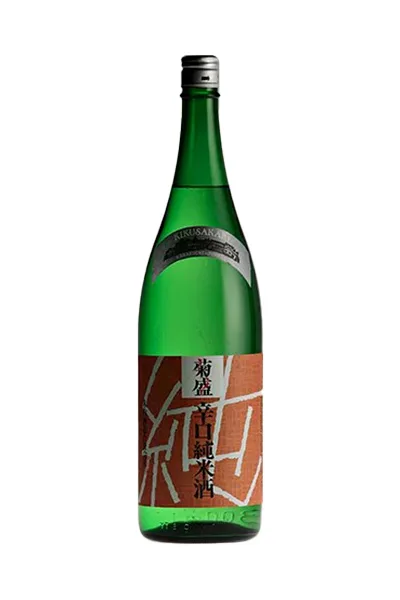
- Kikusakari Dry Junmai Shu菊盛 辛口 純米酒
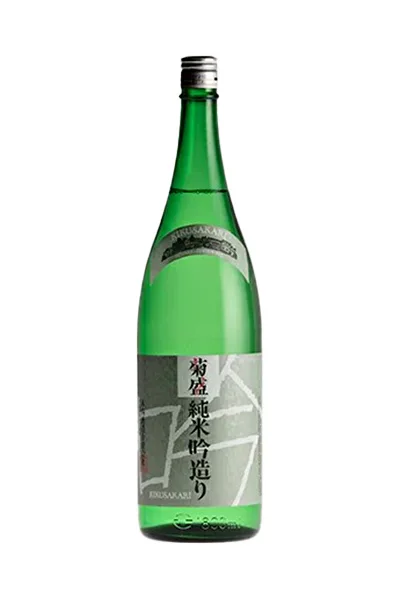
- Kikusakari Junmai Ginzukuri菊盛 純米 吟造り
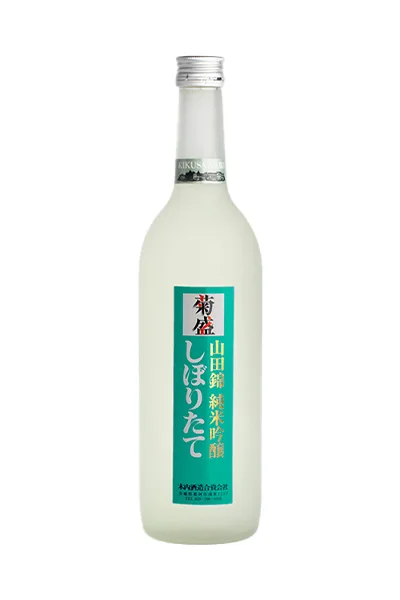
- Kikusakari Junmai Ginjo Shiboritate菊盛 純米吟醸 しぼりたて
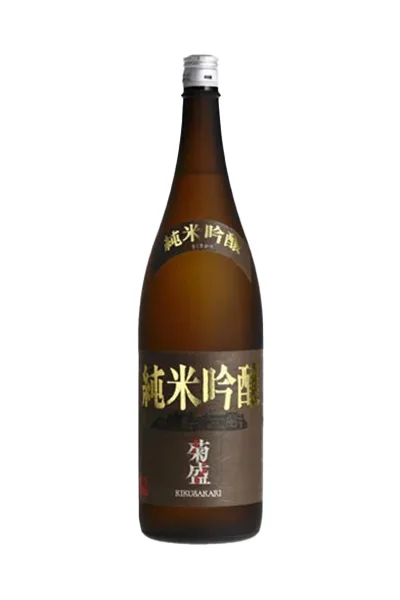
- Kikusakari Junmai Ginjo菊盛 純米吟醸
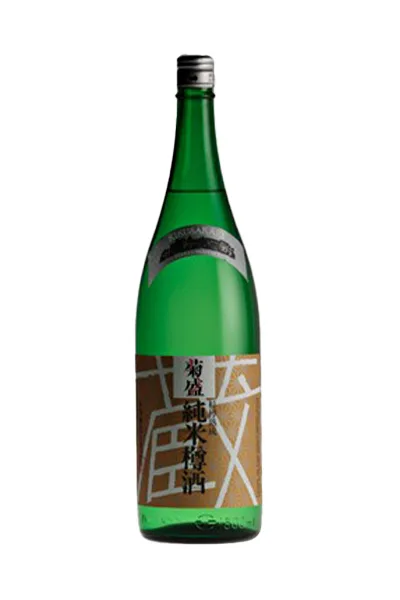
- Kikusakari Junmai Taruzake菊盛 純米樽酒
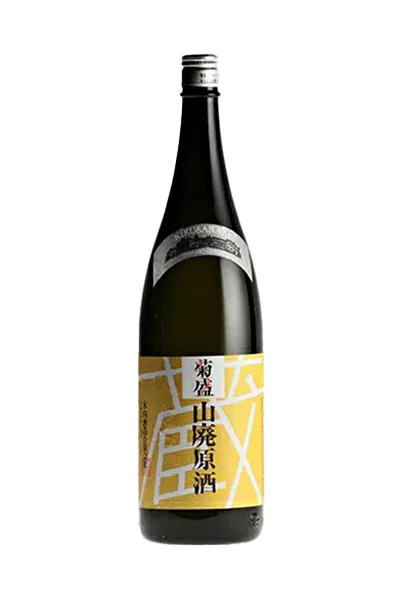
- Kikusakari Yamahai Genshu菊盛 山廃原酒
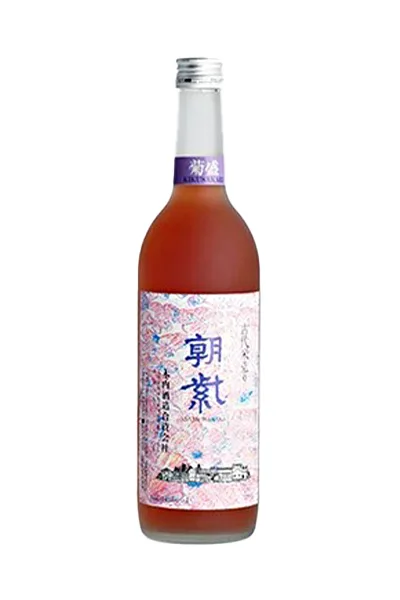
- Kikusakari Kodaimai Zukuri Asamurasaki菊盛 古代米造り 朝紫
- Kikusakari Gekkako菊盛 月下香
- Kikusakari Haru Ichirin菊盛 春一輪