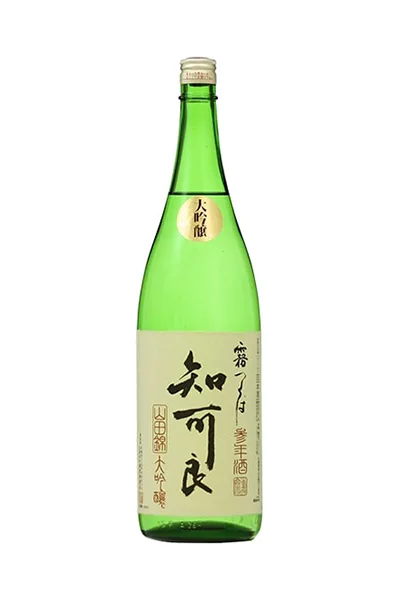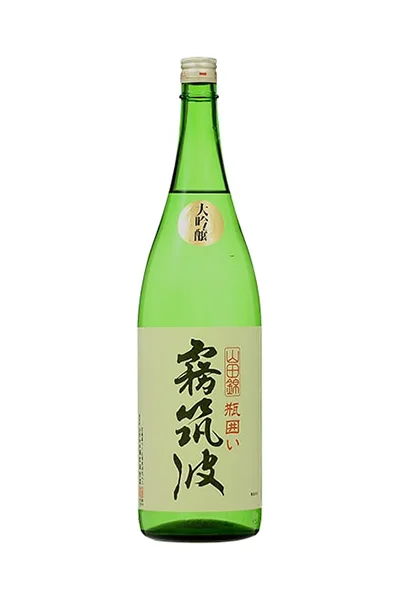
Kiritsukuba Daiginjo Tobin
霧筑波 大吟醸 斗瓶Daiginjo, rice polished to 40%, drip-pressed from hanging bags (shizuku), collected in 18-litre bottles (tobin)
Kiritsukuba — Urazato Shuzoten, Ibaraki
The essence of sake: a Daiginjo made from carefully selected Hyogo-grown Yamada Nishiki, polished to 40 percent and fermented slowly at low temperature with Ogawa yeast. Brewed with care by the toji and kurabito.
Specifications
- Type
- Daiginjo
- Rice
- Not disclosed
- Rice polishing ratio
- 40%60% of each grain polished away
- Yeast
- Not disclosed
- Alcohol
- 16%
- Sake meter value
- +4dry
- Acidity
- 1.1
How to read these
- Type
- The grade printed on the label. It depends on the ingredients (rice only, or with a little distilled alcohol) and on how far the rice is polished. More
- Rice
- The rice variety. Most premium sake uses varieties grown for brewing, such as Yamada Nishiki. More
- Rice polishing ratio
- How much of each grain is left after polishing. A lower number means more was milled away, which usually gives a lighter, more aromatic sake. More
- Yeast
- The yeast strain, which shapes the aroma. More
- Alcohol
- Alcohol by volume. Most sake is 15–16%; undiluted (genshu) sake is often 17–18%. More
- Sake meter value
- A sweet-to-dry scale. Plus is drier, minus is sweeter. Acidity changes how it tastes, so treat it as a rough guide. More
- Acidity
- Total acid. Higher tends to taste fuller and drier; lower tastes lighter and sweeter. More
Flavor profile Aromatic & light
Aromatic & light — fruity, floral aroma with a light body. Known in Japan as kun-shu (薫酒).
A 40% polished daiginjo with Ogawa yeast, described as elegant ginjo aroma and a light, refined profile, points to high aroma and light body. SMV +4 with low acidity of 1.1 suggests a soft, mildly sweet impression.
Estimated by AI from the published specifications and the brewery's description; your impression may differ.
About
The moromi is placed in sake bags and hung to drip, and only the droplets that fall one by one are collected and stored in tobin bottles (tobin-gakoi) at ice temperature (hyoon). With the refined ginjo aroma of Ogawa yeast and a clean, light Tanrei character, the sake draws out the umami of the rice while remaining elegant. It is a sake brewed with the full dedication of the toji. To deliver a fresh, refined aroma and a light, clear profile, no heat treatment of any kind is applied.
Other sake from this brand 10
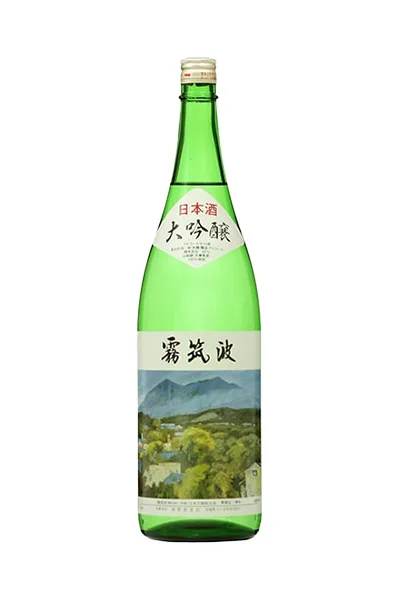
- Kiritsukuba Daiginjo霧筑波 大吟醸
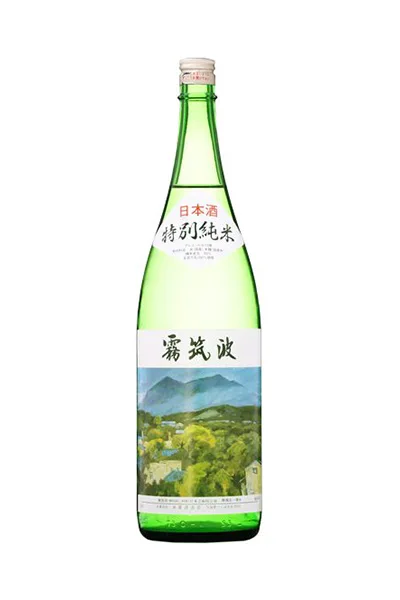
- Kiritsukuba Tokubetsu Junmai霧筑波 特別純米
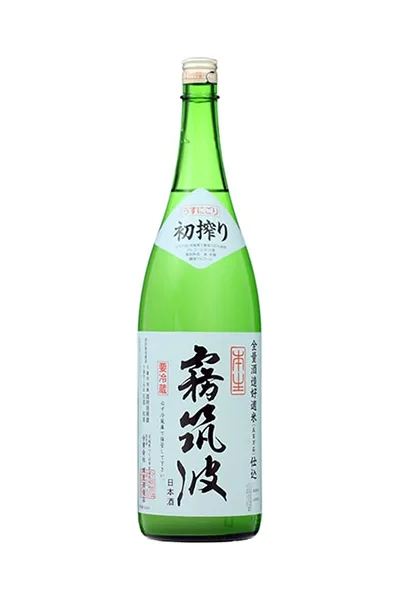
- Kiritsukuba Usunigori Hatsushibori霧筑波 うすにごり 初搾り
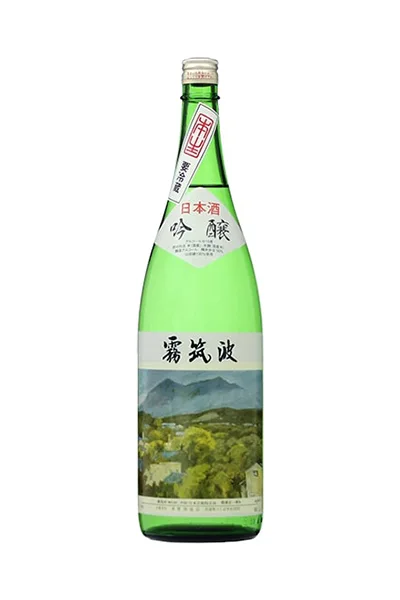
- Kiritsukuba Ginjo霧筑波 吟醸
- Kiritsukuba Daiginjo Sannenshu Chikara霧筑波 大吟醸 参年酒 知可良
- Kiritsukuba Tokubetsu Honjozo Dry霧筑波 特別本醸造 辛口
- Kiritsukuba Junmai Ginjo霧筑波 純米吟醸
- Kiritsukuba Yamahai Shikomi Tokubetsu Junmai霧筑波 山廃仕込 特別純米酒
- Kiritsukuba Yamahai Shikomi Junmai Ginjo霧筑波 山廃仕込 純米吟醸
- Kiritsukuba Harukitari Usunigori霧筑波 波留起多里 うすにごり