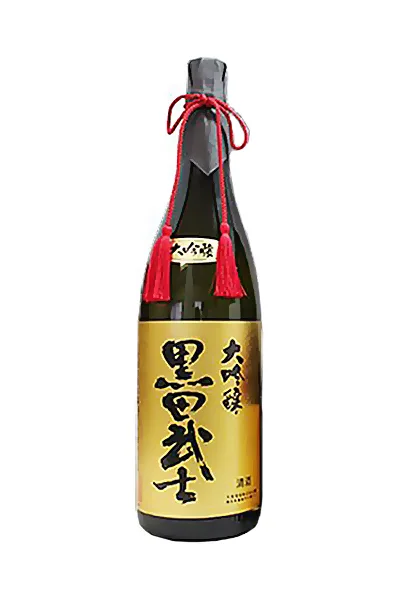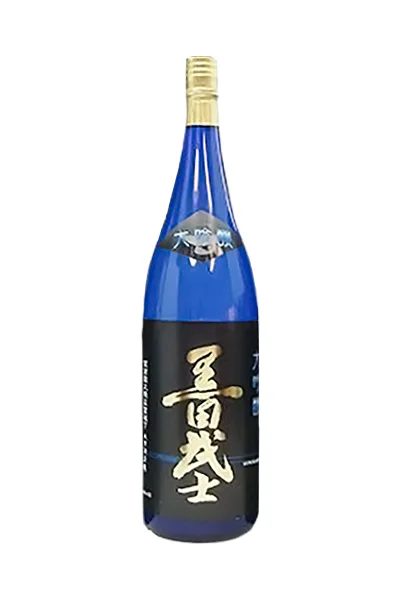
Kurodabushi Daiginjo
黒田武士 大吟醸Daiginjo, rice polished to 40%
Kurodabushi — Osato Shuzo, Fukuoka
A daiginjo that brings together the finest craftsmanship of the Kurodabushi brewery.
Specifications
- Type
- Daiginjo
- Rice
- Not disclosed
- Rice polishing ratio
- 40%60% of each grain polished away
- Yeast
- Not disclosed
- Alcohol
- 15%
- Sake meter value
- +2slightly dry
- Acidity
- 1.3
How to read these
- Type
- The grade printed on the label. It depends on the ingredients (rice only, or with a little distilled alcohol) and on how far the rice is polished. More
- Rice
- The rice variety. Most premium sake uses varieties grown for brewing, such as Yamada Nishiki. More
- Rice polishing ratio
- How much of each grain is left after polishing. A lower number means more was milled away, which usually gives a lighter, more aromatic sake. More
- Yeast
- The yeast strain, which shapes the aroma. More
- Alcohol
- Alcohol by volume. Most sake is 15–16%; undiluted (genshu) sake is often 17–18%. More
- Sake meter value
- A sweet-to-dry scale. Plus is drier, minus is sweeter. Acidity changes how it tastes, so treat it as a rough guide. More
- Acidity
- Total acid. Higher tends to taste fuller and drier; lower tastes lighter and sweeter. More
Flavor profile Aromatic & light
Aromatic & light — fruity, floral aroma with a light body. Known in Japan as kun-shu (薫酒).
Polishing to 40% with Yamada Nishiki and the description of a fragrant daiginjo point to high aroma. SMV +2, low acidity of 1.3 and 15% alcohol give a light body with a soft, gently sweet impression.
Estimated by AI from the published specifications and the brewery's description; your impression may differ.
About
Yamada Nishiki sake rice (a sake brewing rice variety) grown in Fukuoka Prefecture is polished to 40%, and the brewing water is underground water from the upper reaches of the Onga River. The sake is carefully crafted. After pressing, water is added to lower the alcohol content, which makes it even easier to drink. Because it is a daiginjo with a fine aroma, it is best enjoyed without chilling it too much. Warming it slightly to lukewarm (nurukan) and savoring the rising aroma is another way to enjoy it.
Other sake from this brand 6
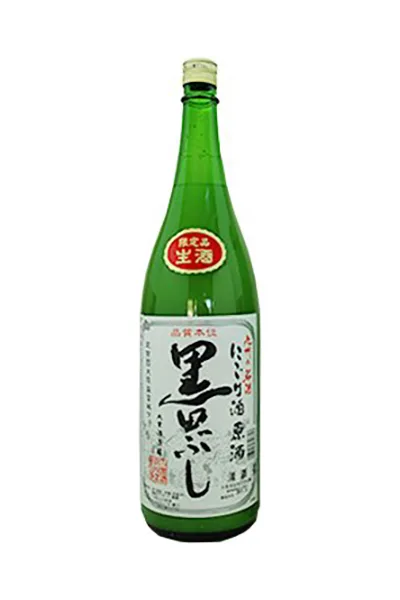
- Kurodabushi Kurodabushi Nigori Sake黒田武士 黒田ぶし にごり酒
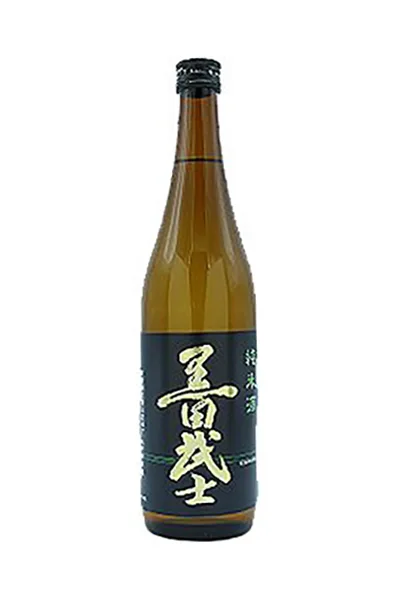
- Kurodabushi Junmai sake黒田武士 純米酒
- Kurodabushi Daiginjo Genshu Shizuku Shibori黒田武士 大吟醸 原酒 しずく搾り
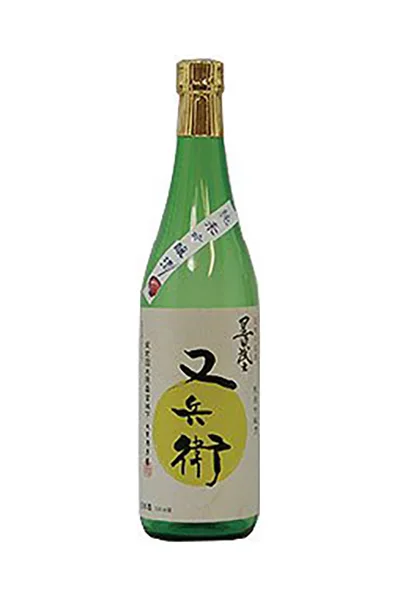
- Kurodabushi Matabee黒田武士 又兵衛
- Kurodabushi Daiginjo Shiro Label黒田武士 大吟醸 白ラベル
- Kurodabushi Honjozo黒田武士 本醸造