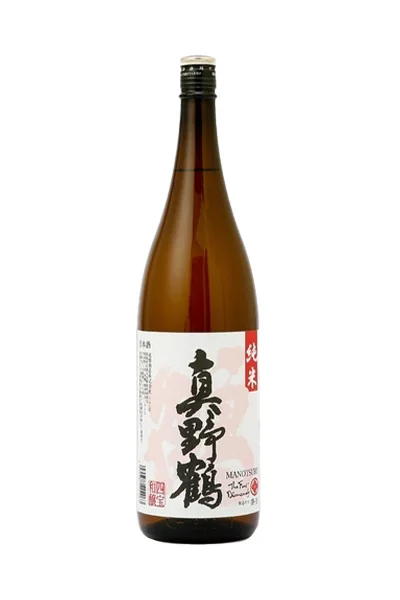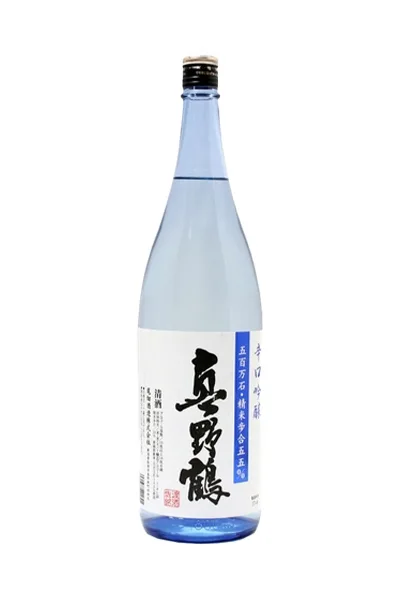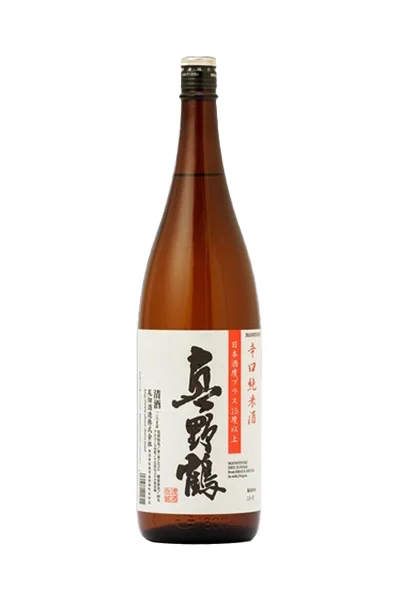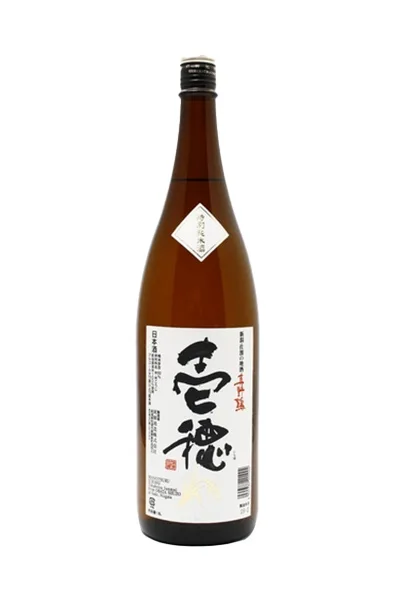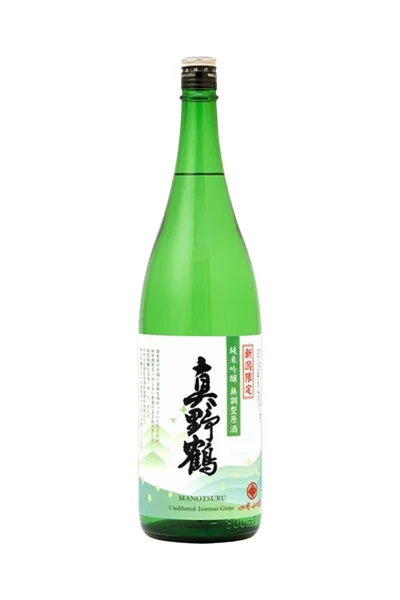
Manotsuru Junmai Ginjo Genshu
真野鶴 純米吟醸 原酒Junmai ginjo, Gohyakumangoku rice polished to 55%, undiluted (genshu)
Manotsuru — Obata Shuzo, Niigata
Rice's umami, sweetness and acidity packed into one spirited sake
Specifications
- Type
- Junmai Ginjo
- Rice
- Gohyakumangoku
- Rice polishing ratio
- 55%45% of each grain polished away
- Yeast
- Not disclosed
- Alcohol
- 17.5%
- Sake meter value
- +3slightly dry
- Acidity
- 1.3
How to read these
- Type
- The grade printed on the label. It depends on the ingredients (rice only, or with a little distilled alcohol) and on how far the rice is polished. More
- Rice
- The rice variety. Most premium sake uses varieties grown for brewing, such as Yamada Nishiki. More
- Rice polishing ratio
- How much of each grain is left after polishing. A lower number means more was milled away, which usually gives a lighter, more aromatic sake. More
- Yeast
- The yeast strain, which shapes the aroma. More
- Alcohol
- Alcohol by volume. Most sake is 15–16%; undiluted (genshu) sake is often 17–18%. More
- Sake meter value
- A sweet-to-dry scale. Plus is drier, minus is sweeter. Acidity changes how it tastes, so treat it as a rough guide. More
- Acidity
- Total acid. Higher tends to taste fuller and drier; lower tastes lighter and sweeter. More
Flavor profile Rich & umami
Rich & umami — rice-driven umami and a fuller body. Known in Japan as jun-shu (醇酒).
Despite the junmai ginjo label, the 55% polish, acidity of 1.3, and SMV of +3 together with the description of concentrated rice umami, sweetness and acidity point to a restrained, full-bodied profile. The sake is placed in the jun quadrant with moderate sweetness and a dense texture.
Estimated by AI from the published specifications and the brewery's description; your impression may differ.
About
This sake brings out the natural flavor of the rice itself. Chewing the rice reveals its umami, sweetness and acidity, all tightly packed together. It is a sake to savor slowly, and yet its clean finish keeps it refreshing and easy to drink. It pairs well with dishes that feature acidity, such as marinades and vinegar-based dishes, or vegetable dishes with a dressing. For meat, chicken is a good match; for fish, horse mackerel (aji) or mackerel (saba). It is also enjoyable alongside cheese. Chilled crisply to bring out its bold character and served in a generously sized, thick-lipped ceramic ochoko, this sake's natural, wild flavors are further enhanced.
Other sake from this brand 19
- Manotsuru Junmai Tsuru真野鶴 純米 鶴
- Manotsuru Karakuchi Ginjo真野鶴 辛口吟醸
- Manotsuru Karakuchi Junmai Shu真野鶴 辛口 純米酒
- Manotsuru Ichiho真野鶴 壱穂
- Manotsuru Maho真野鶴 万穂
- Manotsuru Miku真野鶴 実来
- Manotsuru Yosaku真野鶴 与三作
- Manotsuru Nishiki no Manotsuru真野鶴 錦の真野鶴
- Manotsuru Ryokumon Nama真野鶴 緑紋生
- Manotsuru Tarekuchi Ichiban Nama Junmai真野鶴 たれ口一番 生 純米
- Manotsuru Cho-karakuchi Junmai Genshu Muroka Nama真野鶴 超辛口 純米原酒 無濾過生
- Manotsuru Sakin真野鶴 砂金