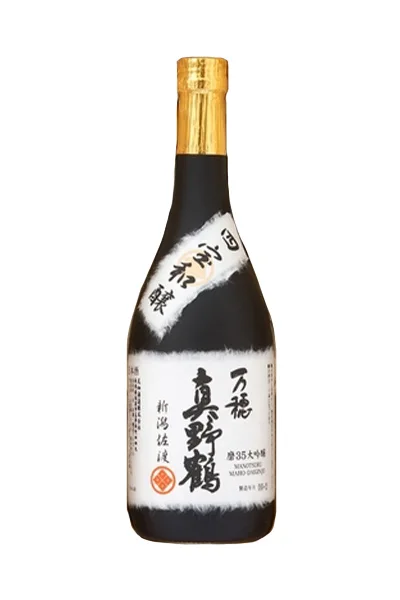
Manotsuru Maho
真野鶴 万穂Daiginjo, Yamada Nishiki rice polished to 35%
Manotsuru — Obata Shuzo, Niigata
A daiginjo that has won gold medals many times at the Annual Japan Sake Awards, Japan's most authoritative official sake competition.
Specifications
- Type
- Daiginjo
- Rice
- Yamada Nishiki
- Rice polishing ratio
- 35%65% of each grain polished away
- Yeast
- Not disclosed
- Alcohol
- 16.5%
- Sake meter value
- -1–+1medium
- Acidity
- 1
How to read these
- Type
- The grade printed on the label. It depends on the ingredients (rice only, or with a little distilled alcohol) and on how far the rice is polished. More
- Rice
- The rice variety. Most premium sake uses varieties grown for brewing, such as Yamada Nishiki. More
- Rice polishing ratio
- How much of each grain is left after polishing. A lower number means more was milled away, which usually gives a lighter, more aromatic sake. More
- Yeast
- The yeast strain, which shapes the aroma. More
- Alcohol
- Alcohol by volume. Most sake is 15–16%; undiluted (genshu) sake is often 17–18%. More
- Sake meter value
- A sweet-to-dry scale. Plus is drier, minus is sweeter. Acidity changes how it tastes, so treat it as a rough guide. More
- Acidity
- Total acid. Higher tends to taste fuller and drier; lower tastes lighter and sweeter. More
Flavor profile Full & complex
Full & complex — aromatic and full-bodied, including aged sake. Known in Japan as juku-shu (熟酒).
A 35% polished daiginjo with ripe fruit aroma and pear-like flavor points to high aroma. Its low acidity of 1.0 and SMV near zero suggest a soft, gently sweet profile, and the described 芳醇 richness places it slightly on the full side.
Estimated by AI from the published specifications and the brewery's description; your impression may differ.
About
The sake has also earned many honors, including a Gold Medal in the Japanese sake category of the International Wine Challenge 2015, a wine competition that is considered the world's most authoritative. Manotsuru Maho has received high praise not only in Japan but also from American wine journalists. It offers the aroma of ripened fruit and the fresh flavor of pear. Its well-balanced character is like a round, seven-colored sphere, and it can be described as the ultimate expression of washu (Japanese spirits) that goes beyond sake. Recipients of the gift have called with delight to say it was 'soooo delicious,' and the person who ordered it often phones the brewery to thank us, which leaves us equally moved. The name 'Maho' was given to us by Matsui Maho, a veteran Echigo toji (master brewer from Echigo) who is the mentor of the current young toji, Kudo Kenya, and who once won first place in Japan. Given to a man, the name suggests a path that Mr. Maho followed to become one of Japan's celebrated toji. True to its name, the grand flavor evokes waves of golden rice ears spreading across the fields, a taste that is impossible to forget once you have tried it. Although this premium daiginjo is good chilled, we recommend trying it at about 15°C. Served in a wine glass, its rich, layered flavors become even more apparent. It needs no food pairing and stands on its own as a star, but its presence also suits creamy dishes.
Other sake from this brand 19
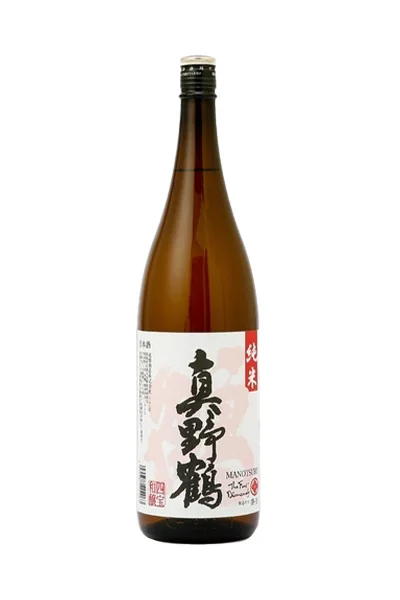
- Manotsuru Junmai Tsuru真野鶴 純米 鶴
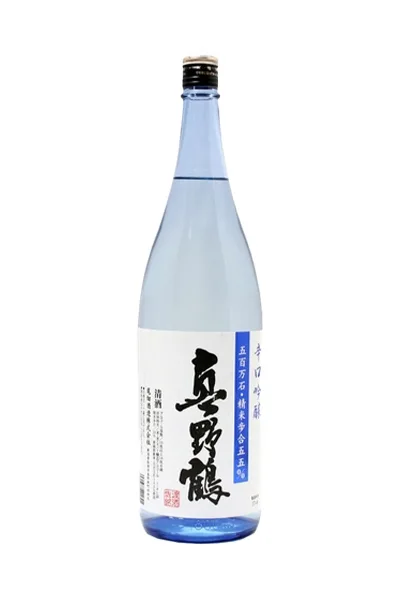
- Manotsuru Karakuchi Ginjo真野鶴 辛口吟醸
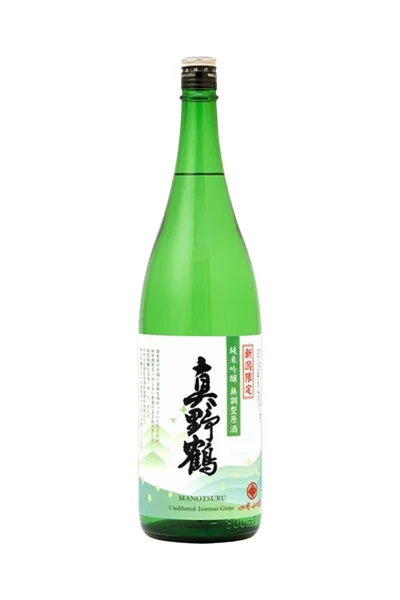
- Manotsuru Junmai Ginjo Genshu真野鶴 純米吟醸 原酒
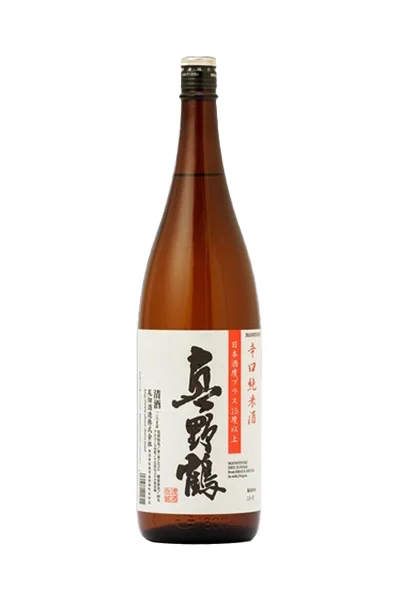
- Manotsuru Karakuchi Junmai Shu真野鶴 辛口 純米酒
- Manotsuru Ichiho真野鶴 壱穂
- Manotsuru Miku真野鶴 実来
- Manotsuru Yosaku真野鶴 与三作
- Manotsuru Nishiki no Manotsuru真野鶴 錦の真野鶴
- Manotsuru Ryokumon Nama真野鶴 緑紋生
- Manotsuru Tarekuchi Ichiban Nama Junmai真野鶴 たれ口一番 生 純米
- Manotsuru Cho-karakuchi Junmai Genshu Muroka Nama真野鶴 超辛口 純米原酒 無濾過生
- Manotsuru Sakin真野鶴 砂金