Masukagami Tokubetsu Junmai
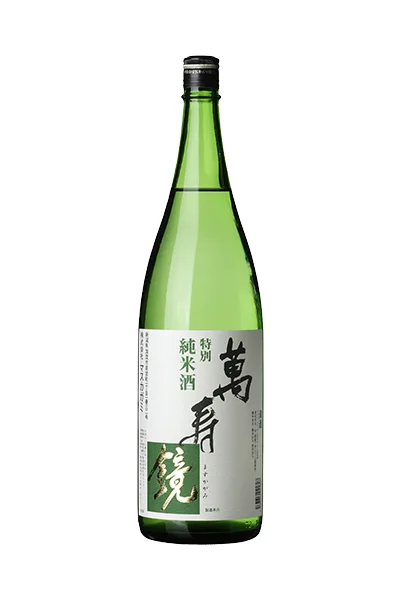
萬寿鏡 特別純米酒Tokubetsu junmai, rice polished to 55%
Masukagami — Masukagami, Niigata
In a sense, a neoclassical sake.
Specifications
- Type
- Tokubetsu Junmai
- Rice
- Not disclosed
- Rice polishing ratio
- 55%45% of each grain polished away
- Yeast
- Not disclosed
- Alcohol
- 15%
- Sake meter value
- +1medium
- Acidity
- 1.8
How to read these
- Type
- The grade printed on the label. It depends on the ingredients (rice only, or with a little distilled alcohol) and on how far the rice is polished. More
- Rice
- The rice variety. Most premium sake uses varieties grown for brewing, such as Yamada Nishiki. More
- Rice polishing ratio
- How much of each grain is left after polishing. A lower number means more was milled away, which usually gives a lighter, more aromatic sake. More
- Yeast
- The yeast strain, which shapes the aroma. More
- Alcohol
- Alcohol by volume. Most sake is 15–16%; undiluted (genshu) sake is often 17–18%. More
- Sake meter value
- A sweet-to-dry scale. Plus is drier, minus is sweeter. Acidity changes how it tastes, so treat it as a rough guide. More
- Acidity
- Total acid. Higher tends to taste fuller and drier; lower tastes lighter and sweeter. More
Flavor profile Rich & umami
Rich & umami — rice-driven umami and a fuller body. Known in Japan as jun-shu (醇酒).
With 55% polishing, acidity of 1.8 and SMV +1, the sake points to restrained aroma and a full, umami-led body. The description of smoothed-out rice umami suggests a dry-leaning, rounded profile in the jun style.
Estimated by AI from the published specifications and the brewery's description; your impression may differ.
About
Junmai sake, sake made from rice alone, is often associated with being good sake, good for something, or good for the body. Such associations are nonsense. Any sake is good for the body as long as one does not drink too much; that is common sense. If junmai sake is to be valued, the only thing one can say, to put it in the extreme, is that it is made from rice alone, the most classical way of making sake since the age of the gods. To be content with nostalgia for the past would be an overstatement, but no sake demands newer techniques and sensibilities than junmai sake does. This sake is polished to a rice polishing level comparable to a product one tier higher. It removes as much as possible the off-flavors (zatsumi) that tend to appear in junmai sake, and brings out the gentle umami of the rice itself. It is a sake of serious character.
Other sake from this brand 23
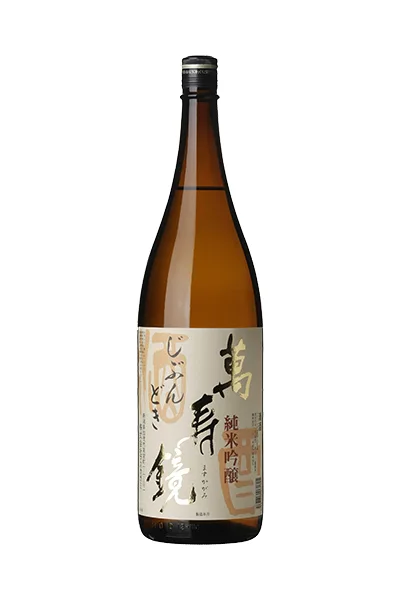
- Masukagami Junmai Ginjo Jibun Doki萬寿鏡 純米吟醸 じぶんどき
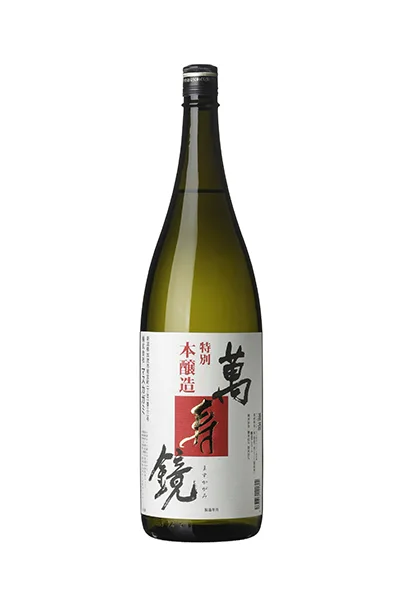
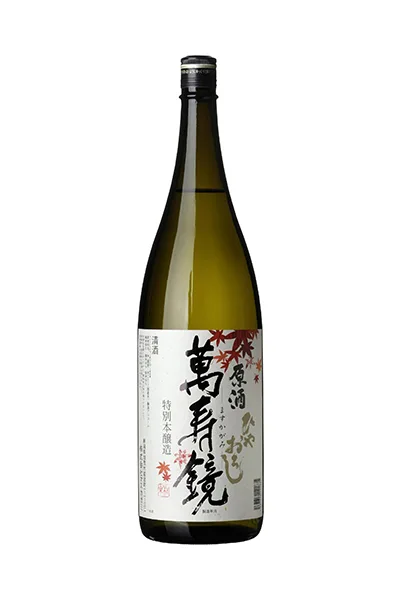
- Masukagami Tokubetsu Honjozo萬寿鏡 特別本醸造
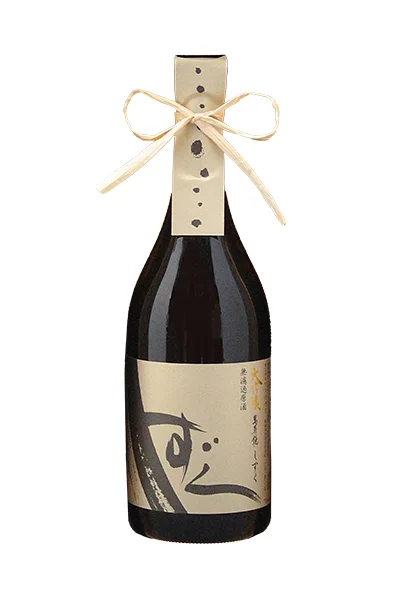
- Masukagami Daiginjo Muroka Genshu Shizuku萬寿鏡 大吟醸 無濾過原酒 しずく
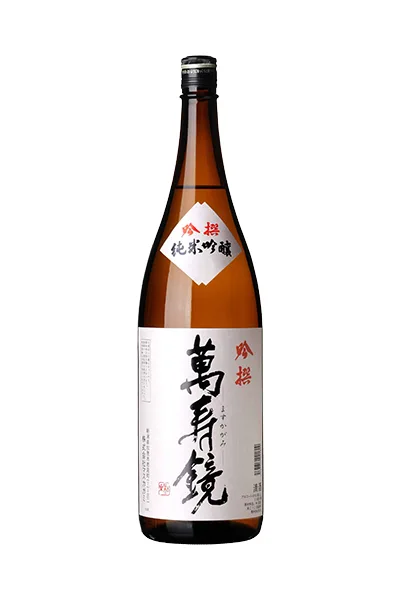
- Masukagami Junmai Ginjo Ginsen萬寿鏡 純米吟醸 吟撰
- Masukagami Tokubetsu Honjozo Genshu Namazume Hiyaoroshi萬寿鏡 特別本醸造 原酒生詰 ひやおろし
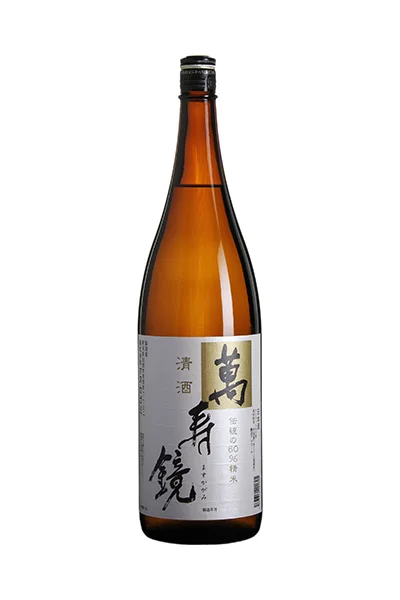
- Masukagami Seishu萬寿鏡 清酒
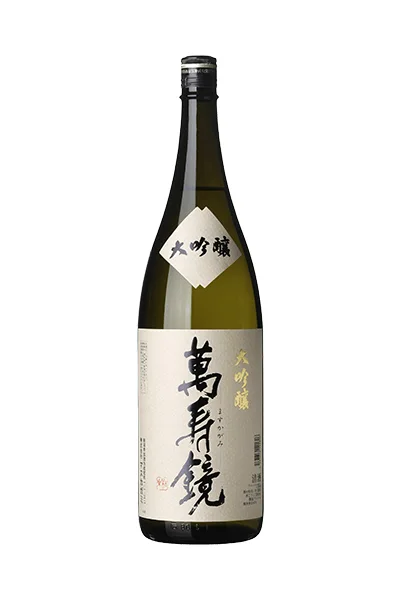
- Masukagami Daiginjo萬寿鏡 大吟醸
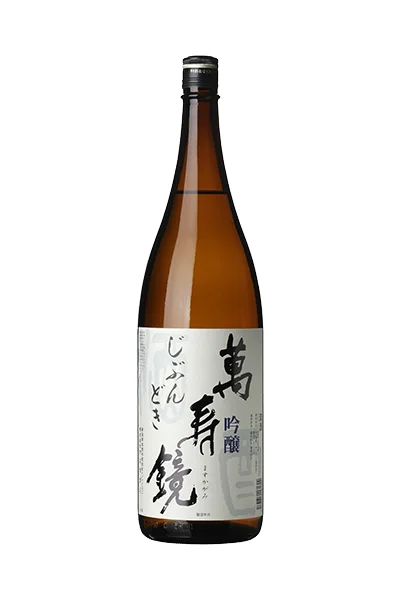
- Masukagami Ginjo Jibun Doki萬寿鏡 吟醸 じぶんどき
- Masukagami Kame Soso萬寿鏡 甕爽々
- Masukagami Kamenozoki萬寿鏡 甕覗
- Masukagami Daiginjo Kura no Nushi萬寿鏡 大吟醸 蔵之主
- Masukagami Namachozo萬寿鏡 生貯蔵酒