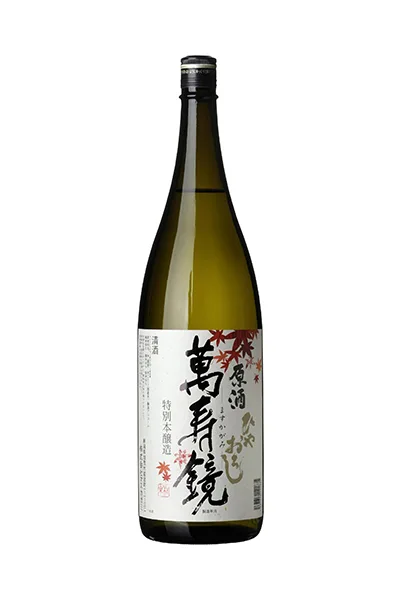
Masukagami Tokubetsu Honjozo Genshu Namazume Hiyaoroshi
萬寿鏡 特別本醸造 原酒生詰 ひやおろしTokubetsu honjozo, rice polished to 55%, undiluted (genshu), pasteurized once before storage (namazume), autumn release (hiyaoroshi)
Masukagami — Masukagami, Niigata
A seasonal autumn release, available each year from September to late November.
Specifications
- Type
- Tokubetsu Honjozo
- Rice
- Not disclosed
- Rice polishing ratio
- 55%45% of each grain polished away
- Yeast
- Not disclosed
- Alcohol
- 19%
How to read these
- Type
- The grade printed on the label. It depends on the ingredients (rice only, or with a little distilled alcohol) and on how far the rice is polished. More
- Rice
- The rice variety. Most premium sake uses varieties grown for brewing, such as Yamada Nishiki. More
- Rice polishing ratio
- How much of each grain is left after polishing. A lower number means more was milled away, which usually gives a lighter, more aromatic sake. More
- Yeast
- The yeast strain, which shapes the aroma. More
- Alcohol
- Alcohol by volume. Most sake is 15–16%; undiluted (genshu) sake is often 17–18%. More
Flavor profile Rich & umami
Rich & umami — rice-driven umami and a fuller body. Known in Japan as jun-shu (醇酒).
The 19% genshu strength and the explicit mention of richness and umami, plus summer-aged hiyaoroshi, point to a full body. With 55% polishing and no ginjo aroma cited, the aroma stays restrained, and the rich texture gives moderate sweetness.
Estimated by AI from the published specifications and the brewery's description; your impression may differ.
About
Brewed in winter and aged through the summer, this Tokubetsu Honjozo is an undiluted genshu (undiluted sake, not diluted with water before bottling). It offers the richness and umami characteristic of genshu.
An autumn seasonal limited release, sold from mid-September to the end of December.
Other sake from this brand 23
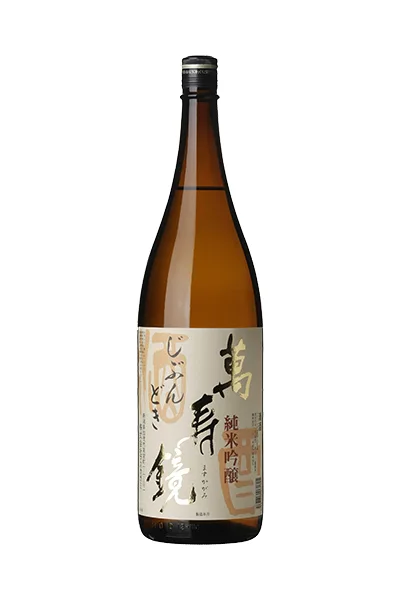
- Masukagami Junmai Ginjo Jibun Doki萬寿鏡 純米吟醸 じぶんどき
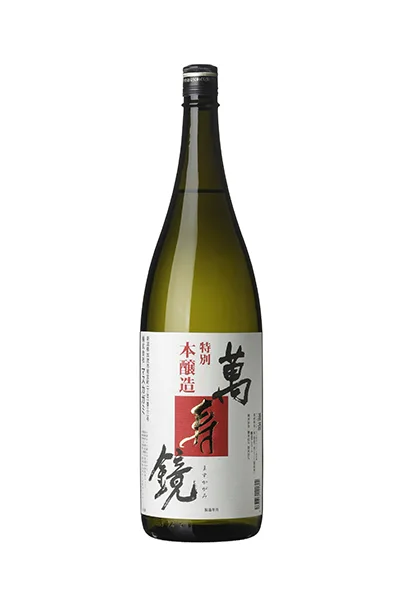
- Masukagami Tokubetsu Honjozo萬寿鏡 特別本醸造
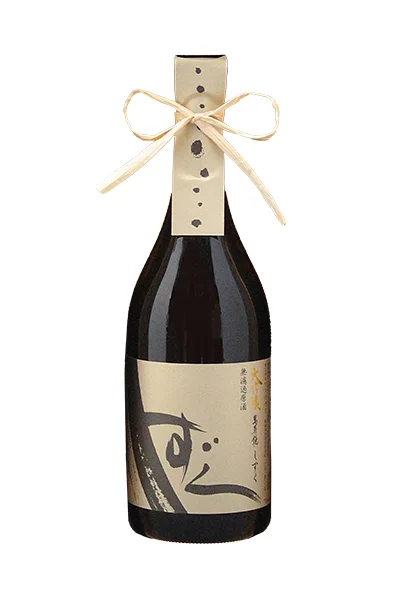
- Masukagami Daiginjo Muroka Genshu Shizuku萬寿鏡 大吟醸 無濾過原酒 しずく
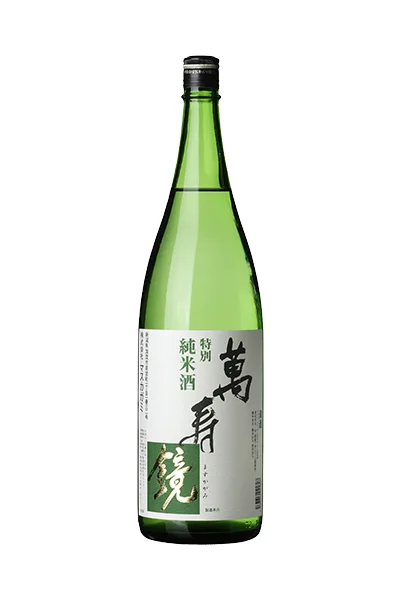
- Masukagami Tokubetsu Junmai萬寿鏡 特別純米酒
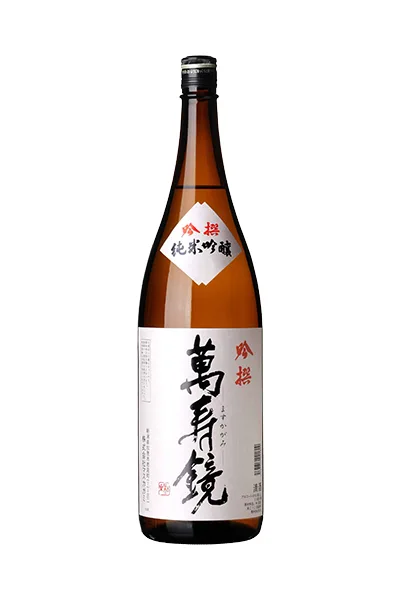
- Masukagami Junmai Ginjo Ginsen萬寿鏡 純米吟醸 吟撰
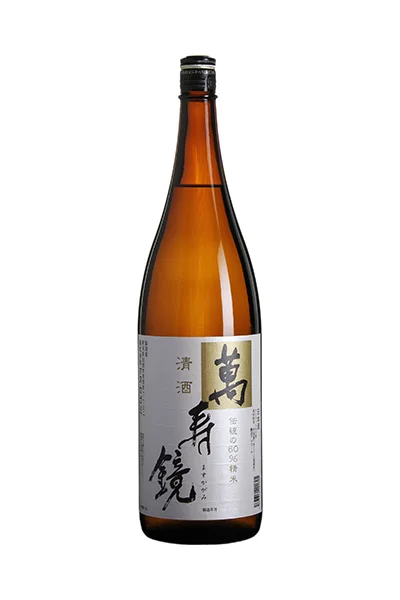
- Masukagami Seishu萬寿鏡 清酒
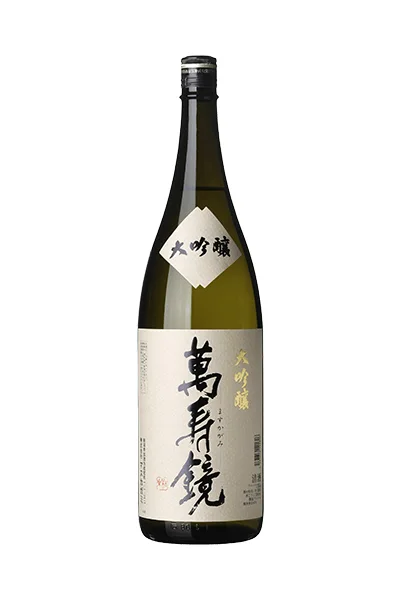
- Masukagami Daiginjo萬寿鏡 大吟醸
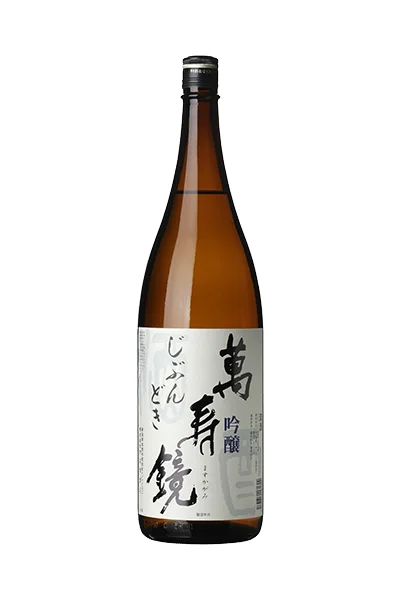
- Masukagami Ginjo Jibun Doki萬寿鏡 吟醸 じぶんどき
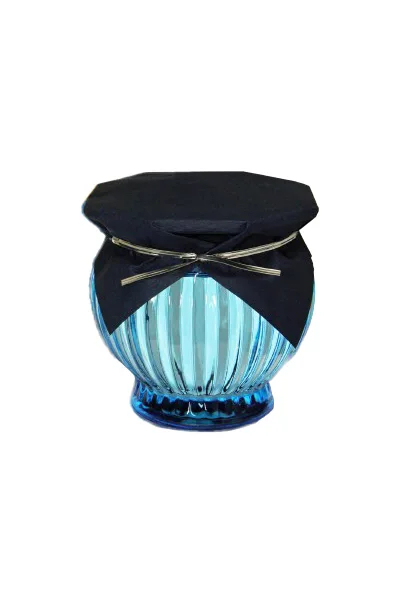
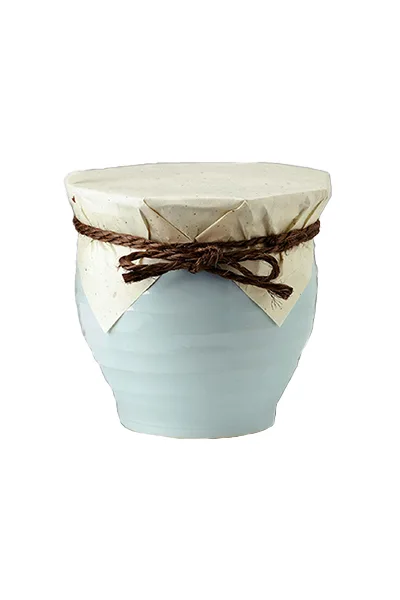
- Masukagami Kame Soso萬寿鏡 甕爽々
- Masukagami Kamenozoki萬寿鏡 甕覗
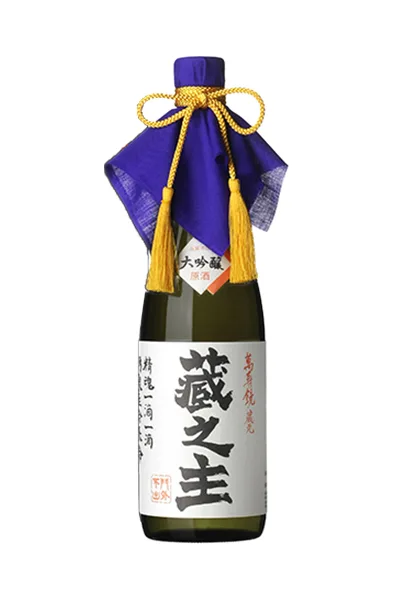
- Masukagami Daiginjo Kura no Nushi萬寿鏡 大吟醸 蔵之主
- Masukagami Namachozo萬寿鏡 生貯蔵酒