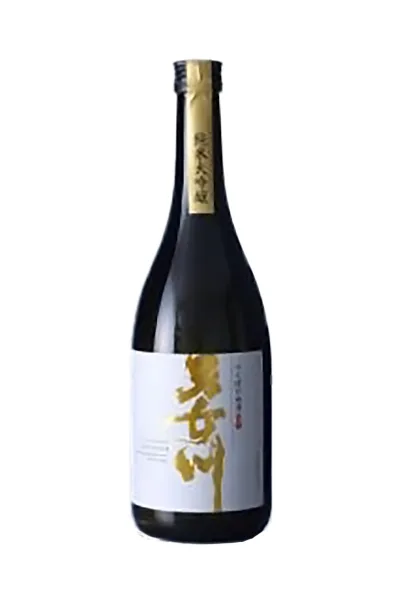
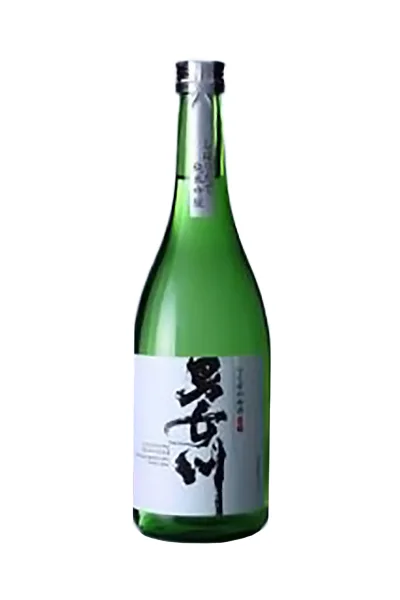
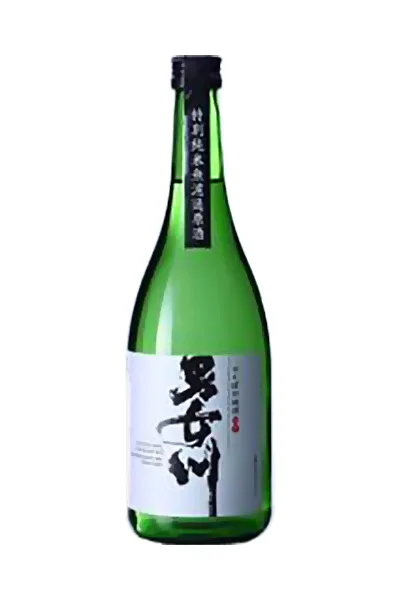
Minanogawa Junmai Daiginjo Shizuku-zake
男女川 純米大吟醸 雫酒Junmai daiginjo, rice polished to 40%, drip-pressed from hanging bags (shizuku)
Minanogawa — Inaba Shuzo, Ibaraki
Fragrant and full-bodied, a true pinnacle to savor. Also rewarding over long aging.
Specifications
- Type
- Junmai Daiginjo
- Rice
- Not disclosed
- Rice polishing ratio
- 40%60% of each grain polished away
- Yeast
- Not disclosed
- Alcohol
- 16.4%
- Sake meter value
- +3slightly dry
- Acidity
- 1.4
How to read these
- Type
- The grade printed on the label. It depends on the ingredients (rice only, or with a little distilled alcohol) and on how far the rice is polished. More
- Rice
- The rice variety. Most premium sake uses varieties grown for brewing, such as Yamada Nishiki. More
- Rice polishing ratio
- How much of each grain is left after polishing. A lower number means more was milled away, which usually gives a lighter, more aromatic sake. More
- Yeast
- The yeast strain, which shapes the aroma. More
- Alcohol
- Alcohol by volume. Most sake is 15–16%; undiluted (genshu) sake is often 17–18%. More
- Sake meter value
- A sweet-to-dry scale. Plus is drier, minus is sweeter. Acidity changes how it tastes, so treat it as a rough guide. More
- Acidity
- Total acid. Higher tends to taste fuller and drier; lower tastes lighter and sweeter. More
Flavor profile Full & complex
Full & complex — aromatic and full-bodied, including aged sake. Known in Japan as juku-shu (熟酒).
Polished to 40% and labeled junmai daiginjo, it points to high aroma, while the text's emphasis on flavor depth and aging potential suggests some body. SMV +3 with low acidity of 1.4 gives a soft, mildly sweet impression.
Estimated by AI from the published specifications and the brewery's description; your impression may differ.
About
Made with spring water from Mount Tsukuba and Yamada Nishiki rice grown entirely in Hyogo Prefecture, this Junmai Daiginjo is crafted with great care and effort. It was brewed through a long, low-temperature moromi (fermentation mash) fermentation.
Other sake from this brand 8
- Minanogawa Junmai Daiginjo Fune Shibori男女川 純米大吟醸 槽しぼり
- Minanogawa Shiboritate Junmai Ginjo男女川 しぼりたて 純米吟醸
- Minanogawa Tokubetsu Junmai Genshu男女川 特別純米 原酒
- Minanogawa Pure Ibaraki Hiire男女川 ピュア茨城 火入れ
- Minanogawa Tsukuba Roman Awai Koi男女川 つくば浪漫 あわい恋
- Minanogawa Junmai Ginjo男女川 純米吟醸
- Minanogawa Pure Ibaraki Honnama Shizudori男女川 ピュア茨城 本生 雫どり
- Minanogawa Pure Ibaraki Kura Nama男女川 ピュア茨城 蔵なま