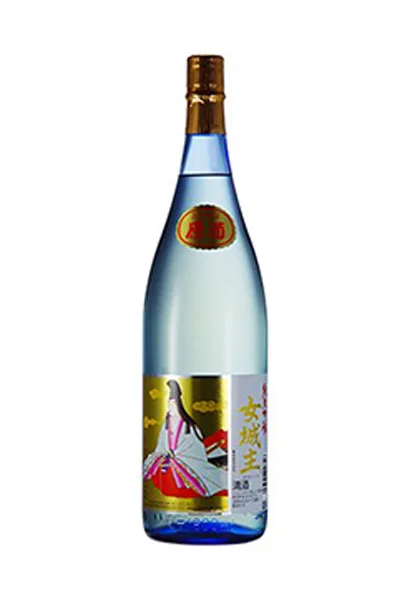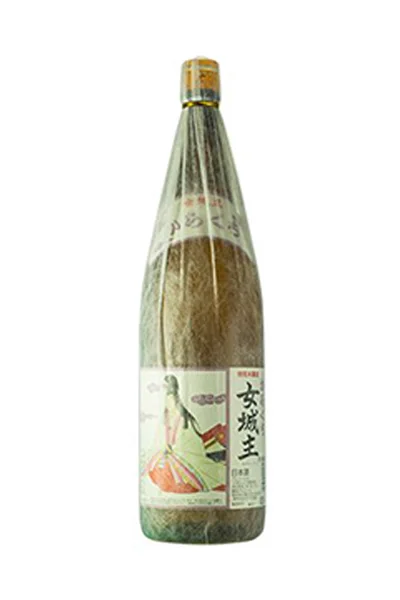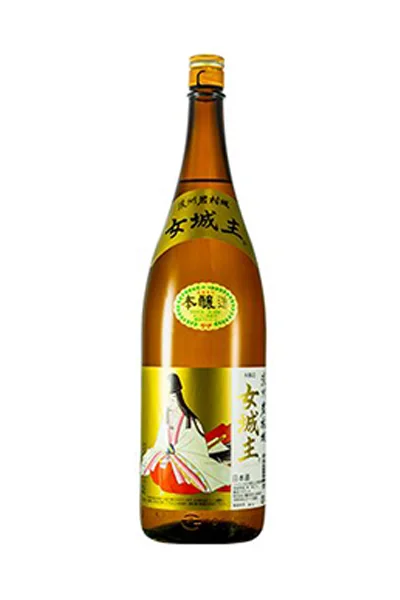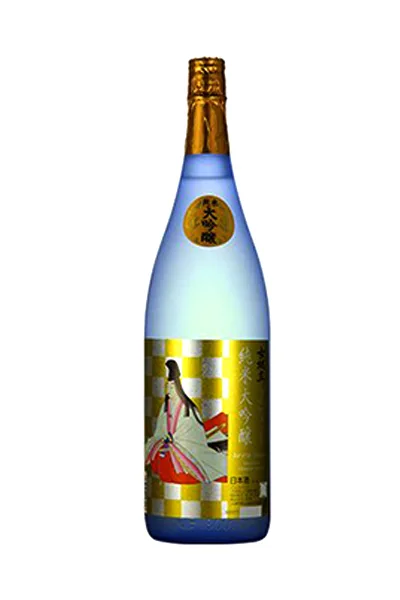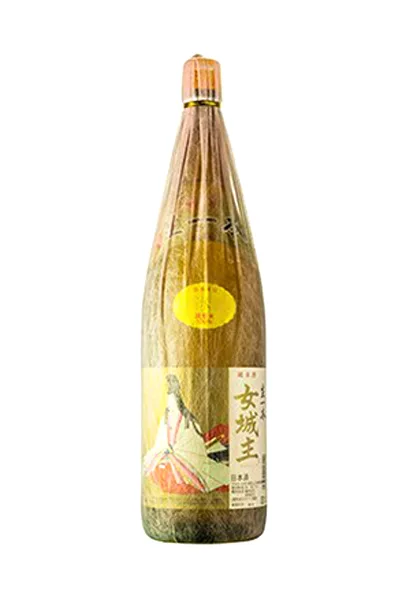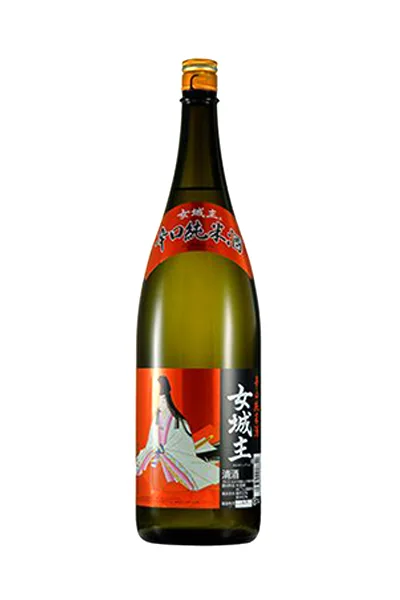
Onnajoshu Dry Junmai sake
女城主 辛口 純米酒Junmai, Hidahomare rice polished to 50%, dry
Onnajoshu — Iwamura Jozo, Gifu
Dry to +10, crisp and clean
Specifications
- Type
- Junmai Shu
- Rice
- Hida Homare
- Rice polishing ratio
- 50%50% of each grain polished away
- Yeast
- Not disclosed
- Alcohol
- 15–16%
- Sake meter value
- +10very dry
- Acidity
- 1.3
How to read these
- Type
- The grade printed on the label. It depends on the ingredients (rice only, or with a little distilled alcohol) and on how far the rice is polished. More
- Rice
- The rice variety. Most premium sake uses varieties grown for brewing, such as Yamada Nishiki. More
- Rice polishing ratio
- How much of each grain is left after polishing. A lower number means more was milled away, which usually gives a lighter, more aromatic sake. More
- Yeast
- The yeast strain, which shapes the aroma. More
- Alcohol
- Alcohol by volume. Most sake is 15–16%; undiluted (genshu) sake is often 17–18%. More
- Sake meter value
- A sweet-to-dry scale. Plus is drier, minus is sweeter. Acidity changes how it tastes, so treat it as a rough guide. More
- Acidity
- Total acid. Higher tends to taste fuller and drier; lower tastes lighter and sweeter. More
Flavor profile Rich & umami
Rich & umami — rice-driven umami and a fuller body. Known in Japan as jun-shu (醇酒).
SMV +10, acidity 1.3 and 50% polishing for a junmai point to a restrained, rice-led aroma and a very dry finish. The description notes lingering umami and a faint sweetness, giving a medium body that opens up when warmed.
Estimated by AI from the published specifications and the brewery's description; your impression may differ.
About
Thanks to the characteristics of the raw rice, this is a very dry sake that still carries a gentle hint of sweetness, even at this level of dryness. It preserves the umami of the rice while leaving the palate clean, a rich dry style (umakara type). The flavor is lightly tightened and cohesive. A little sweetness can be sensed, the fine acidity and dryness are well balanced, and the umami lingers finely and long. It pairs best with rice dishes such as sushi, and with sweet hotpot dishes or oden. Served cold it can taste overly sharp, so warming it from chilled to warm (hiya to kan) is recommended, which lets the aroma and umami swell.
Other sake from this brand 20
- Onnajoshu Junmai Ginjo Genshu女城主 純米吟醸 原酒
- Onnajoshu Tokubetsu Honjozo Dry女城主 特別本醸造 辛口
- Onnajoshu Honjozo女城主 本醸造
- Onnajoshu Junmai Daiginjo女城主 純米大吟醸
- Onnajoshu Junmai Ginjo Kinpaku-iri女城主 純米吟醸 金箔入
- Onnajoshu Honjozo Ippin女城主 本醸造 逸品
- Onnajoshu Tokubetsu Honjozo Morohaku女城主 特別本醸造 諸白
- Onnajoshu Junmai Ginjo女城主 純米吟醸
- Onnajoshu Junmai Kiippon Kome 100%女城主 純米 生一本 米100%
- Onnajoshu Nigori Tokkuri女城主 にごり酒 徳利
- Onnajoshu Nigori Sake女城主 にごり酒
- Onnajoshu Junmai Ginjo Masumasu Hanjo女城主 純米吟醸 益々繁盛