郷乃譽No photo yet
Sato no Homare Kasumiyama Namanama
郷乃誉 霞山 生々Junmai ginjo, Yamada and Miyama Nishiki rice polished to 55%, unfiltered (muroka), unpasteurized (nama), lightly cloudy
Sato no Homare — Sudo Honke, Ibaraki
Specifications
- Type
- Junmai Ginjo
- Rice
- 山田錦、美山錦
- Rice polishing ratio
- 55%45% of each grain polished away
- Yeast
- 蔵内酵母
- Sake meter value
- +2slightly dry
- Acidity
- 1.4
How to read these
- Type
- The grade printed on the label. It depends on the ingredients (rice only, or with a little distilled alcohol) and on how far the rice is polished. More
- Rice
- The rice variety. Most premium sake uses varieties grown for brewing, such as Yamada Nishiki. More
- Rice polishing ratio
- How much of each grain is left after polishing. A lower number means more was milled away, which usually gives a lighter, more aromatic sake. More
- Yeast
- The yeast strain, which shapes the aroma. More
- Sake meter value
- A sweet-to-dry scale. Plus is drier, minus is sweeter. Acidity changes how it tastes, so treat it as a rough guide. More
- Acidity
- Total acid. Higher tends to taste fuller and drier; lower tastes lighter and sweeter. More
Flavor profile Aromatic & light
RestrainedAromatic
RichLight
Aromatic & light — fruity, floral aroma with a light body. Known in Japan as kun-shu (薫酒).
As a nama, muroka junmai ginjo with origarami texture, it suggests a fresh, fruity aroma with a light body and some richness. An SMV of +2 and low acidity of 1.4 point to a soft, gently sweet impression.
Estimated by AI from the published specifications and the brewery's description; your impression may differ.
Other sake from this brand 12
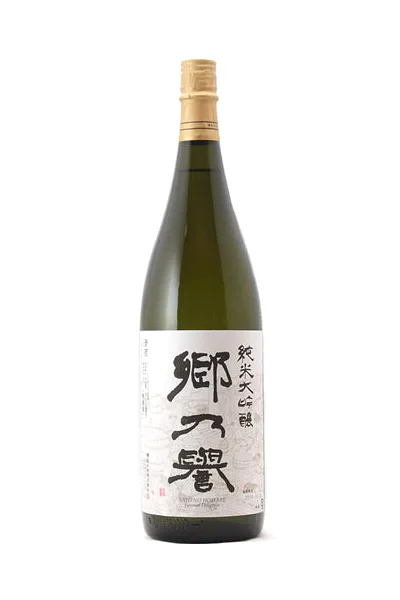
- Sato no Homare Shiro Label郷乃誉 (白ラベル)
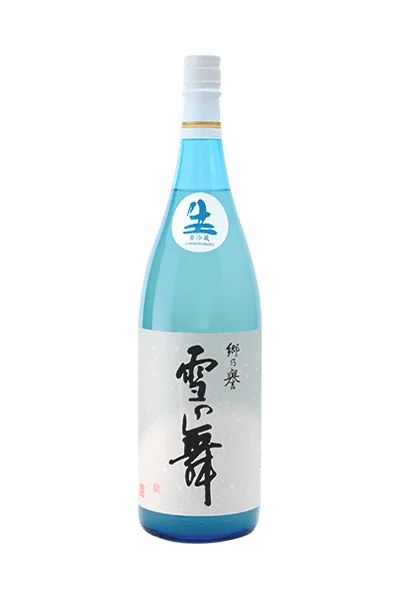
- Sato no Homare Yuki no Mai郷乃誉 雪の舞
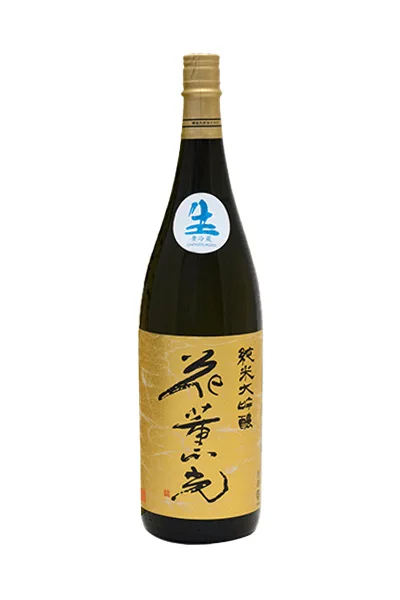
- Sato no Homare Kakunkou郷乃誉 花薫光
- Sato no Homare Junmai Ginjo Dry Muroka Hiire郷乃誉 純米吟醸 辛口 無濾過 火入
- Sato no Homare Kasumiyama Kioke Shikomi郷乃誉 霞山 木桶仕込
- Sato no Homare Junmai Ginjo Hiire郷乃誉 純米吟醸 火入れ
- Sato no Homare Sansen Somoku郷乃誉 山川草木
- Sato no Homare Junmai Ginjo Namanama郷乃誉 純米吟醸 生々
- Sato no Homare Junmai Ginjo Kurogin郷乃誉 純米吟醸酒 黒吟
- Sato no Homare Yamazakura Arabashiri郷乃誉 山桜桃 あらばしり
- Sato no Homare Yamazakura Namanama郷乃誉 山桜桃 生々