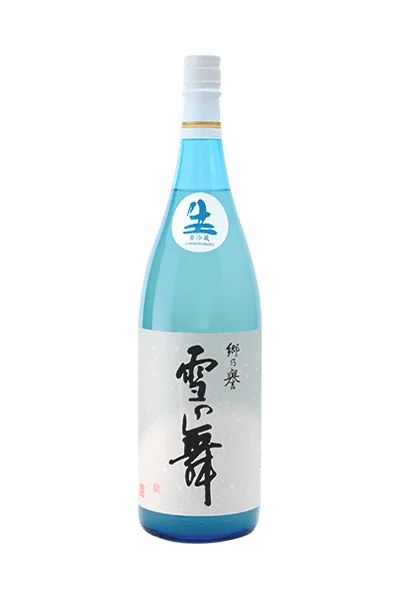
Sato no Homare Yuki no Mai
郷乃誉 雪の舞Junmai, rice polished to 40%, cloudy (nigori)
Sato no Homare — Sudo Honke, Ibaraki
Recommended for fans and non-fans of cloudy sake alike.
Specifications
- Type
- Other
- Rice
- Not disclosed
- Rice polishing ratio
- 40%60% of each grain polished away
- Yeast
- Not disclosed
- Alcohol
- 15–16%
- Sake meter value
- +5dry
- Acidity
- 1.4
How to read these
- Type
- The grade printed on the label. It depends on the ingredients (rice only, or with a little distilled alcohol) and on how far the rice is polished. More
- Rice
- The rice variety. Most premium sake uses varieties grown for brewing, such as Yamada Nishiki. More
- Rice polishing ratio
- How much of each grain is left after polishing. A lower number means more was milled away, which usually gives a lighter, more aromatic sake. More
- Yeast
- The yeast strain, which shapes the aroma. More
- Alcohol
- Alcohol by volume. Most sake is 15–16%; undiluted (genshu) sake is often 17–18%. More
- Sake meter value
- A sweet-to-dry scale. Plus is drier, minus is sweeter. Acidity changes how it tastes, so treat it as a rough guide. More
- Acidity
- Total acid. Higher tends to taste fuller and drier; lower tastes lighter and sweeter. More
Flavor profile Clean & dry
Clean & dry — restrained aroma, crisp and refreshing. Known in Japan as so-shu (爽酒).
A 40% polishing ratio and SMV +5 point to a dry, clean profile, and the description of refreshing, delicate flavor with thin nigori suggests restrained aroma, a light body, and modest richness.
Estimated by AI from the published specifications and the brewery's description; your impression may differ.
About
Its refreshing character overturns the image of nigori (cloudy) sake. Fresh and delicate in flavor, it has a firm, dry body. Its lightly cloudy appearance is a gentle white. It pairs well with white-fleshed sashimi, seafood in general, and lighter meat dishes such as chicken. It is also recommended for dishes made with dairy products. It goes exceptionally well with cheese, including white mold, washed rind, blue, and chèvre types.
Other sake from this brand 12
- Sato no Homare Shiro Label郷乃誉 (白ラベル)
- Sato no Homare Kakunkou郷乃誉 花薫光
- Sato no Homare Junmai Ginjo Dry Muroka Hiire郷乃誉 純米吟醸 辛口 無濾過 火入
- Sato no Homare Kasumiyama Kioke Shikomi郷乃誉 霞山 木桶仕込
- Sato no Homare Junmai Ginjo Hiire郷乃誉 純米吟醸 火入れ
- Sato no Homare Sansen Somoku郷乃誉 山川草木
- Sato no Homare Junmai Ginjo Namanama郷乃誉 純米吟醸 生々
- Sato no Homare Junmai Ginjo Kurogin郷乃誉 純米吟醸酒 黒吟
- Sato no Homare Kasumiyama Namanama郷乃誉 霞山 生々
- Sato no Homare Yamazakura Arabashiri郷乃誉 山桜桃 あらばしり
- Sato no Homare Yamazakura Namanama郷乃誉 山桜桃 生々