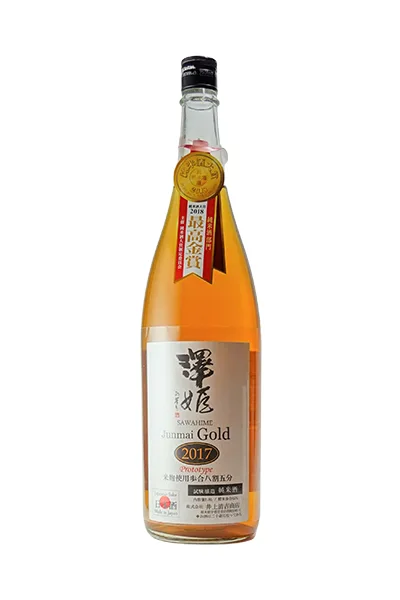
Sawahime Shiken Jozo Junmai sake GOLD
澤姫 試験醸造純米酒 GOLDJunmai, rice polished to 85%, experimental brew
Sawahime — Inoue Seikichi Shoten, Tochigi
“Wouldn’t it be fun to have a sake like this?” An experimental junmai sake born from that idea.
Specifications
- Type
- Junmai Shu
- Rice
- Not disclosed
- Rice polishing ratio
- 85%15% of each grain polished away
- Yeast
- Not disclosed
- Alcohol
- 17%
How to read these
- Type
- The grade printed on the label. It depends on the ingredients (rice only, or with a little distilled alcohol) and on how far the rice is polished. More
- Rice
- The rice variety. Most premium sake uses varieties grown for brewing, such as Yamada Nishiki. More
- Rice polishing ratio
- How much of each grain is left after polishing. A lower number means more was milled away, which usually gives a lighter, more aromatic sake. More
- Yeast
- The yeast strain, which shapes the aroma. More
- Alcohol
- Alcohol by volume. Most sake is 15–16%; undiluted (genshu) sake is often 17–18%. More
Flavor profile Rich & umami
Rich & umami — rice-driven umami and a fuller body. Known in Japan as jun-shu (醇酒).
The 85% polishing ratio, high koji ratio, and kimoto brewing emphasize umami and acidity, and 17% alcohol adds weight. The description of a sweet-sour, rich profile with restrained aroma points to the jun quadrant.
Estimated by AI from the published specifications and the brewery's description; your impression may differ.
About
Koji rice accounts for 85% of the rice used, four times the usual proportion. Kimoto (traditional yeast-starter method) brewing further emphasizes umami and acidity. Sweet and tart, yet surprisingly light on the finish. A new-style sake to enjoy for its umami and color. It pairs well with blue cheese, nuts, and spicy ethnic cuisine. It can also be enjoyed as a dessert sake.
Other sake from this brand 20
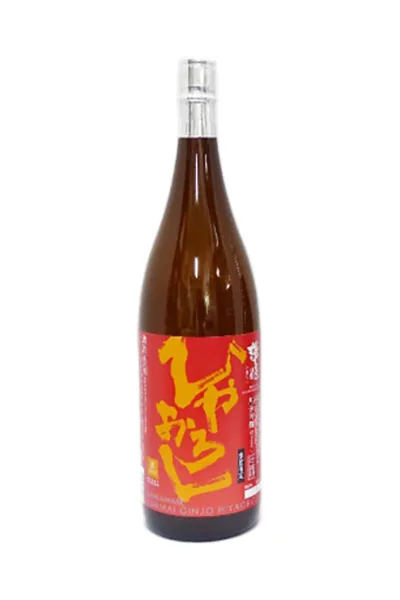
- Sawahime Hiyaoroshi澤姫 ひやおろし
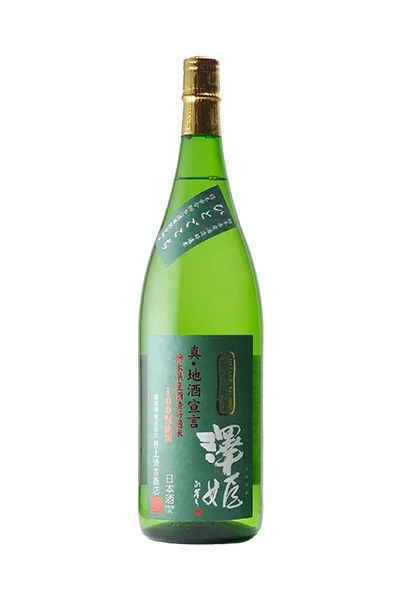
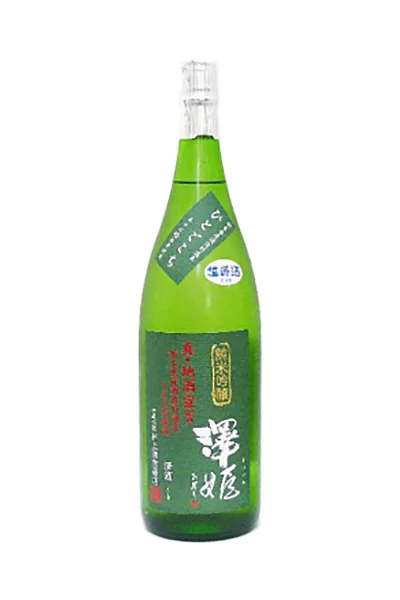
- Sawahime Junmai Ginjo Shin Jizake Sengen澤姫 純米吟醸 真・地酒宣言
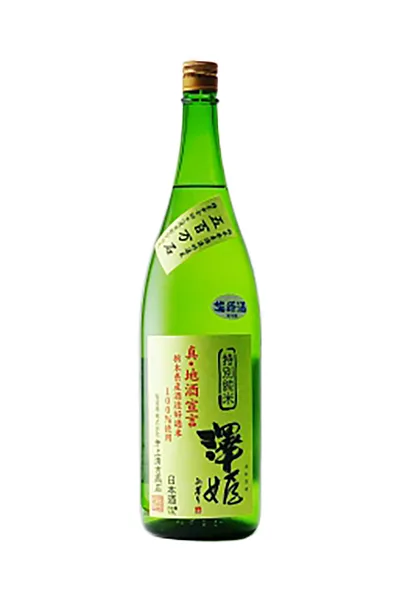
- Sawahime Tokubetsu Junmai Nama Genshu澤姫 特別純米 生原酒
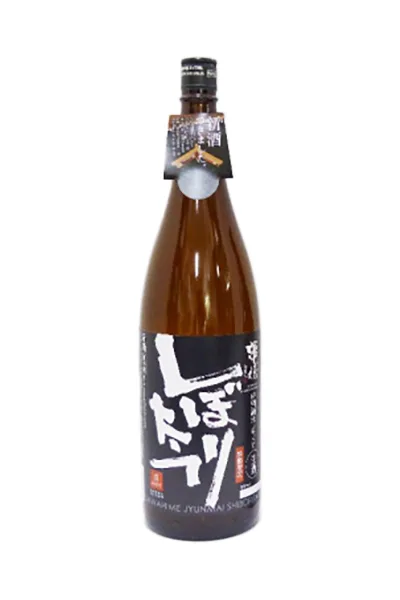
- Sawahime Shiboritate Nama澤姫 しぼりたて 生
- Sawahime Kimoto Junmai Shin Jizake Sengen澤姫 きもと純米 真・地酒宣言
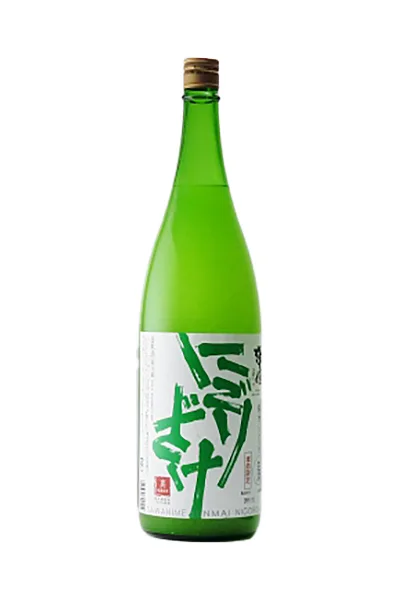
- Sawahime Nigorizake澤姫 にごりざけ
- Sawahime Junmai Ginjo Nama Genshu澤姫 純米吟醸 生原酒
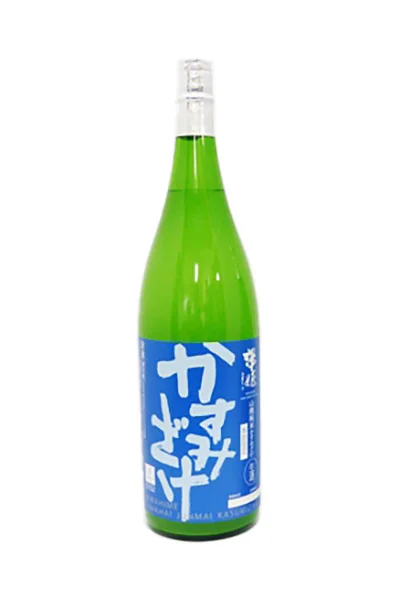
- Sawahime Kasumizake澤姫 かすみざけ
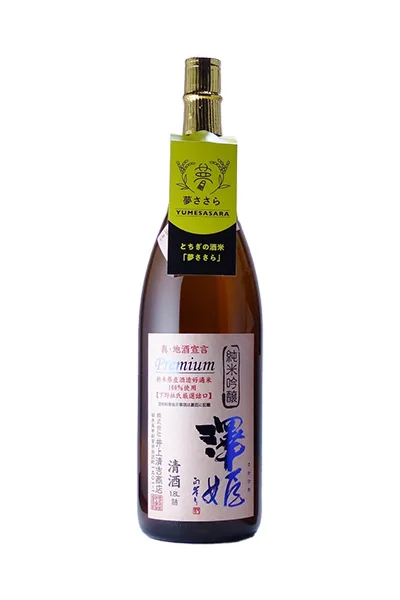
- Sawahime Junmai Ginjo Shin Jizake Sengen Premium澤姫 純米吟醸 真・地酒宣言 プレミアム
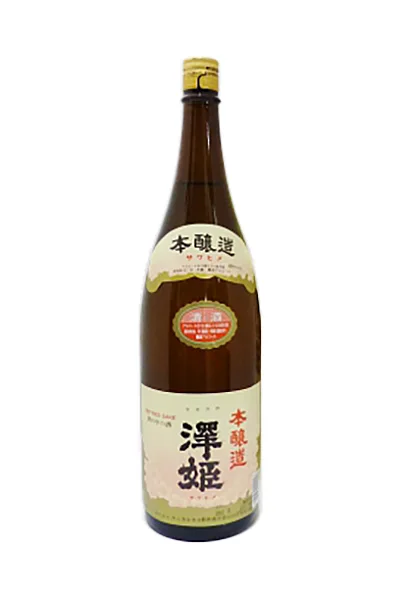
- Sawahime Honjozo澤姫 本醸造
- Sawahime Kimoto Junmai Nama Genshu澤姫 きもと純米 生原酒
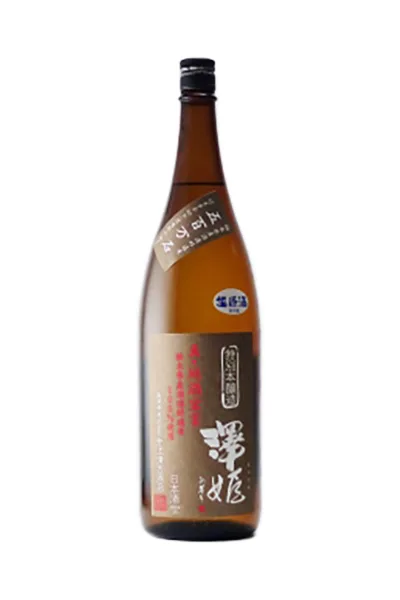
- Sawahime Tokubetsu Honjozo Nama Genshu澤姫 特別本醸造 生原酒