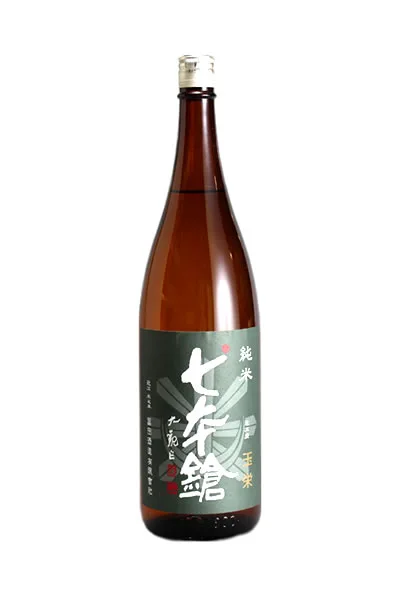
Shichihonyari Junmai Tamasakae
七本鎗 純米 玉栄Junmai, Tamasakae rice polished to 60%
Shichihonyari — Tomita Shuzo, Shiga
Gentle on the palate, with rich umami balanced by firm acidity
Specifications
- Type
- Junmai Shu
- Rice
- Not disclosed
- Rice polishing ratio
- 60%40% of each grain polished away
- Yeast
- Kyokai No. 14
- Alcohol
- 15%
- Sake meter value
- +4dry
How to read these
- Type
- The grade printed on the label. It depends on the ingredients (rice only, or with a little distilled alcohol) and on how far the rice is polished. More
- Rice
- The rice variety. Most premium sake uses varieties grown for brewing, such as Yamada Nishiki. More
- Rice polishing ratio
- How much of each grain is left after polishing. A lower number means more was milled away, which usually gives a lighter, more aromatic sake. More
- Yeast
- The yeast strain, which shapes the aroma. More
- Alcohol
- Alcohol by volume. Most sake is 15–16%; undiluted (genshu) sake is often 17–18%. More
- Sake meter value
- A sweet-to-dry scale. Plus is drier, minus is sweeter. Acidity changes how it tastes, so treat it as a rough guide. More
Flavor profile Rich & umami
Rich & umami — rice-driven umami and a fuller body. Known in Japan as jun-shu (醇酒).
The description's full umami and firm acidity, together with 60% polishing and an SMV of +4, point to a restrained aroma and a full-bodied, umami-rich profile. Sweetness is moderate, with a slightly dry finish.
Estimated by AI from the published specifications and the brewery's description; your impression may differ.
About
A signature sake from Tomita Shuzo, made with Tamasakae, a sake rice grown in Shiga Prefecture. It balances rich umami with firm acidity. It shows a different character across a range of serving temperatures, from chilled sake to hot sake (atsukan). It pairs well with many dishes and occasions, making it an all-round sake for many settings. Its rich umami pairs particularly well with dishes seasoned with miso or with sweet-savory flavors. It also goes well with cream-based Western cuisine.
Other sake from this brand 16
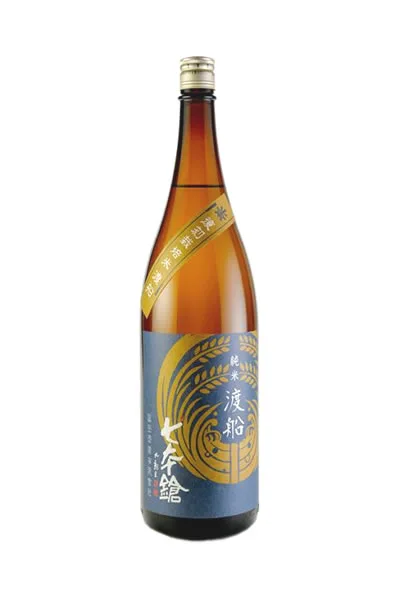
- Shichihonyari Junmai Watashibune七本鎗 純米 渡船
- Shichihonyari Junmai Ginjo Nama Genshu七本鎗 純米吟醸 生原酒
- Shichihonyari Tokubetsu Junmai Genshu七本鎗 特別純米 原酒
- Shichihonyari Daiginjo Koshu七本鎗 大吟醸 古酒
- Shichihonyari Daiginjo Tobin-dori七本鎗 大吟醸 斗瓶取り
- Shichihonyari Nigori Binkan Hiire七本鎗 にごり酒 瓶燗火入れ
- Shichihonyari Kasen七本鎗 佳撰
- Shichihonyari Junmai Daiginjo七本鎗 純米大吟醸
- Shichihonyari Daiginjo七本鎗 大吟醸
- Shichihonyari Junmai sake 80% Seimai七本鎗 純米酒 八十%精米
- Shichihonyari Junmai Ginjo七本鎗 純米吟醸
- Shichihonyari Josen七本鎗 上撰