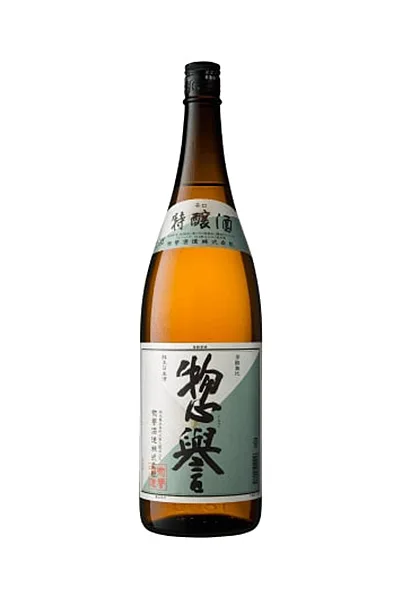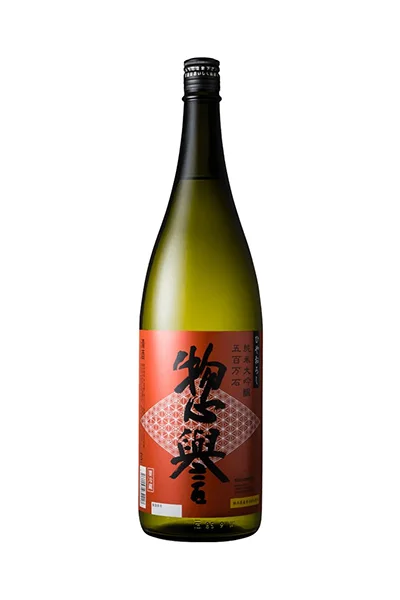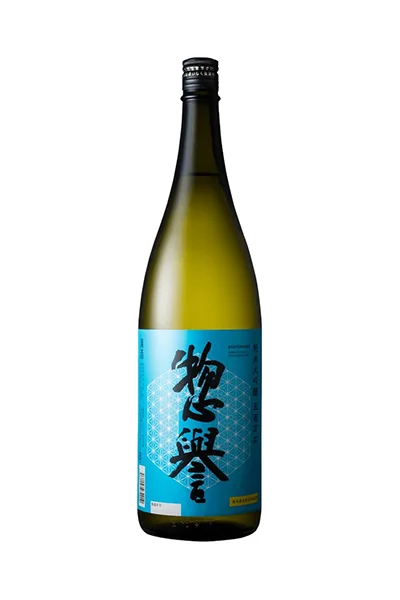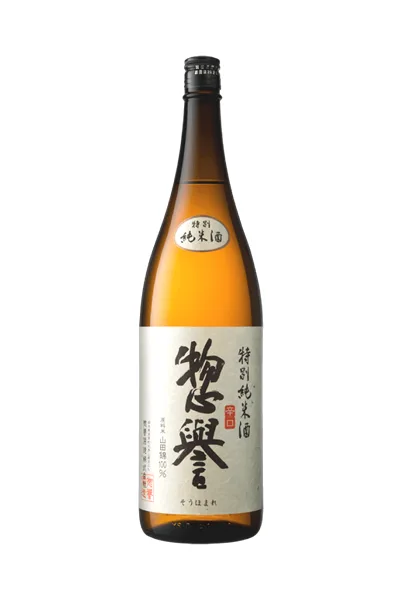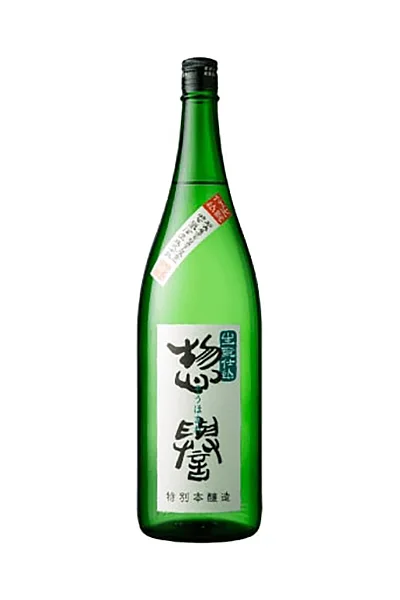
Sohomare Kimoto Shikomi Tokubetsu Honjozo
惣誉 生酛仕込 特別本醸造Tokubetsu honjozo, rice polished to 65%, kimoto starter
Sohomare — Sohomare Shuzo, Tochigi
Dry and mature, with a lively, firm body.
Specifications
- Type
- Tokubetsu Honjozo
- Rice
- Not disclosed
- Rice polishing ratio
- 65%35% of each grain polished away
- Yeast
- Not disclosed
- Alcohol
- 15%
- Sake meter value
- +5–+6dry
How to read these
- Type
- The grade printed on the label. It depends on the ingredients (rice only, or with a little distilled alcohol) and on how far the rice is polished. More
- Rice
- The rice variety. Most premium sake uses varieties grown for brewing, such as Yamada Nishiki. More
- Rice polishing ratio
- How much of each grain is left after polishing. A lower number means more was milled away, which usually gives a lighter, more aromatic sake. More
- Yeast
- The yeast strain, which shapes the aroma. More
- Alcohol
- Alcohol by volume. Most sake is 15–16%; undiluted (genshu) sake is often 17–18%. More
- Sake meter value
- A sweet-to-dry scale. Plus is drier, minus is sweeter. Acidity changes how it tastes, so treat it as a rough guide. More
Flavor profile Rich & umami
Rich & umami — rice-driven umami and a fuller body. Known in Japan as jun-shu (醇酒).
Kimoto brewing, an SMV of +5 to 6, and the description's mature dry style with firm acidity and koku point to restrained aroma, full umami body, and dry sweetness. The 65% polishing ratio and 15% alcohol support a medium-rich profile.
Estimated by AI from the published specifications and the brewery's description; your impression may differ.
About
Smooth umami and the firm acidity of kimoto (traditional yeast-starter method) blend together, producing a distinctive taste that combines a clean finish with richness and never tires the palate. It holds its own alongside rich dishes, oily foods, and strongly aromatic cooking, and leaves the aftertaste refreshingly clean. Served chilled and crisp, or warmed (kan), it can be enjoyed as a sake one step above the ordinary.
Other sake from this brand 16
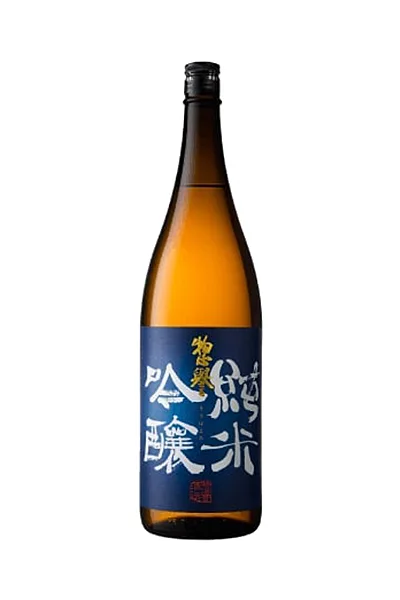
- Sohomare Junmai Ginjo Gohyakumangoku惣誉 純米吟醸 五百万石
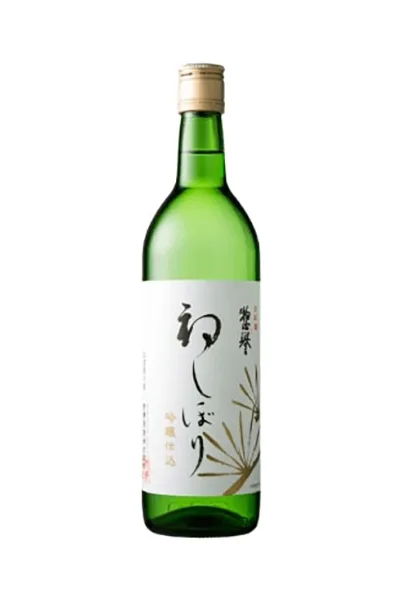
- Sohomare Hatsushibori惣誉 初しぼり
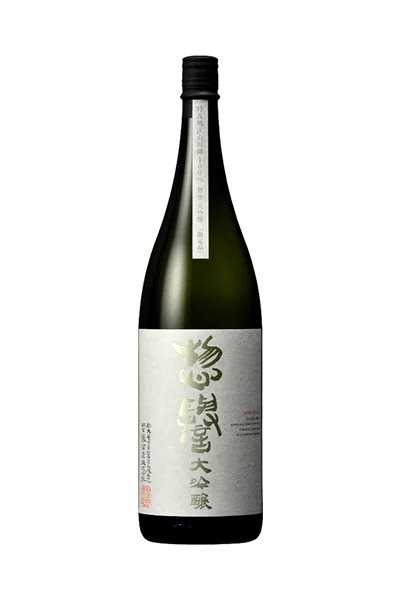
- Sohomare Daiginjo Yamada Nishiki惣誉 大吟醸 山田錦
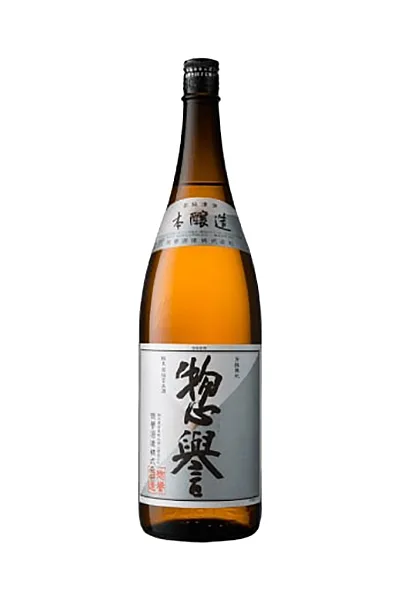
- Sohomare Honjozo惣誉 本醸造
- Sohomare Dry Tokujoshu惣誉 辛口 特醸酒
- Sohomare Junmai Daiginjo Gohyakumangoku Hiyaoroshi惣誉 純米大吟醸 五百万石 ひやおろし
- Sohomare Junmai Daiginjo Gohyakumangoku惣誉 純米大吟醸 五百万石
- Sohomare Tokubetsu Junmai Dry惣誉 特別純米酒 辛口
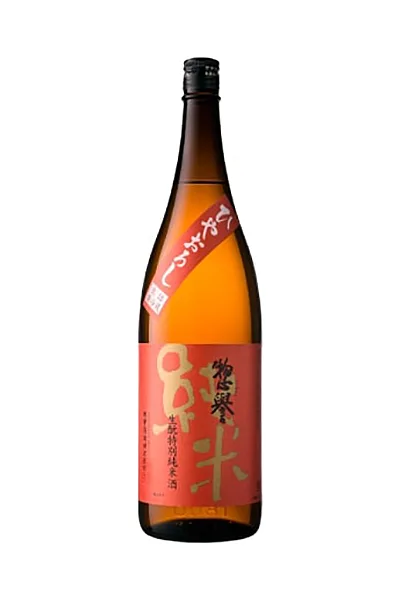
- Sohomare Kimoto Tokubetsu Junmai Hiyaoroshi惣誉 生酛 特別純米酒 ひやおろし
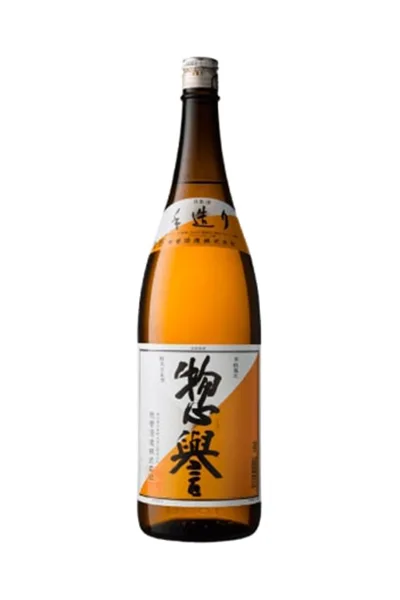
- Sohomare Tezukuri惣誉 手造り
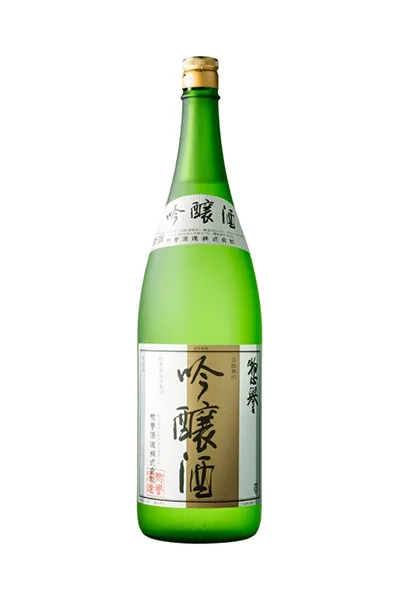
- Sohomare Ginjo Yamada Nishiki惣誉 吟醸酒 山田錦
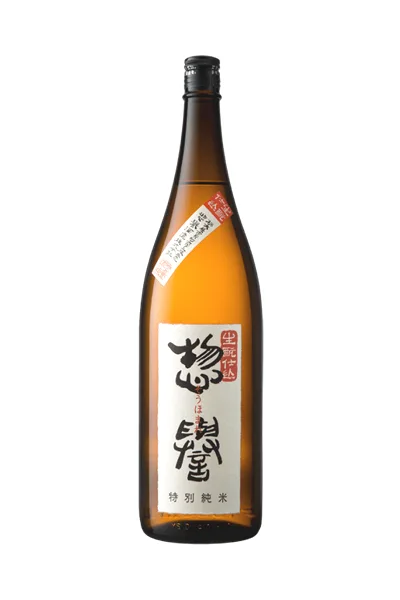
- Sohomare Kimoto Shikomi Tokubetsu Junmai惣誉 生酛仕込 特別純米