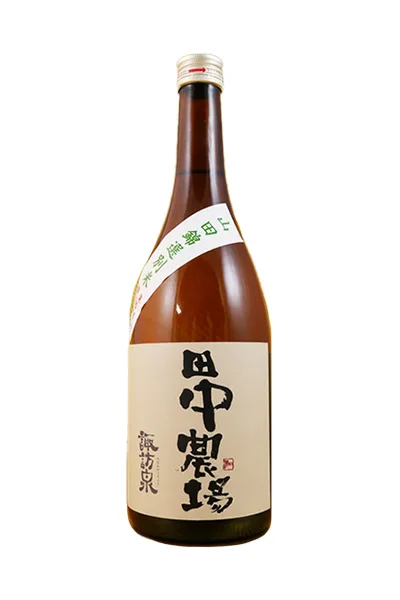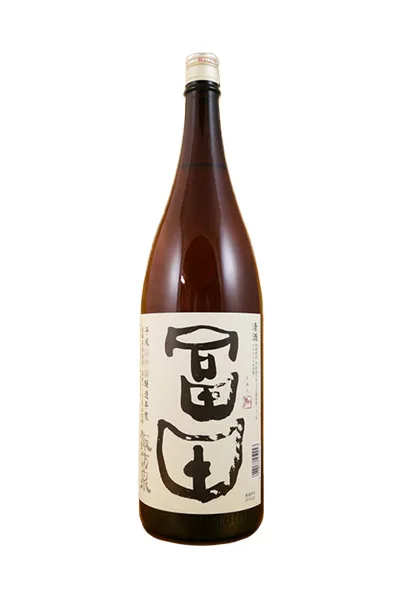
Suwaizumi Tomita Yamada Nishiki Tokubetsu Senbetsu Mai Shichiwari
諏訪泉 冨田 山田錦 特別選別米 七割Junmai, Yamada Nishiki rice polished to 70%
Suwaizumi — Suwa Shuzo, Tottori
Firm acidity and an abundance of umami.
Specifications
- Type
- Junmai Shu
- Rice
- Not disclosed
- Rice polishing ratio
- 70%30% of each grain polished away
- Yeast
- Not disclosed
- Alcohol
- 16–17%
- Sake meter value
- +3.5dry
- Acidity
- 2.4
How to read these
- Type
- The grade printed on the label. It depends on the ingredients (rice only, or with a little distilled alcohol) and on how far the rice is polished. More
- Rice
- The rice variety. Most premium sake uses varieties grown for brewing, such as Yamada Nishiki. More
- Rice polishing ratio
- How much of each grain is left after polishing. A lower number means more was milled away, which usually gives a lighter, more aromatic sake. More
- Yeast
- The yeast strain, which shapes the aroma. More
- Alcohol
- Alcohol by volume. Most sake is 15–16%; undiluted (genshu) sake is often 17–18%. More
- Sake meter value
- A sweet-to-dry scale. Plus is drier, minus is sweeter. Acidity changes how it tastes, so treat it as a rough guide. More
- Acidity
- Total acid. Higher tends to taste fuller and drier; lower tastes lighter and sweeter. More
Flavor profile Rich & umami
Rich & umami — rice-driven umami and a fuller body. Known in Japan as jun-shu (醇酒).
A 70% polished junmai with acidity 2.4 and a description of firm acidity and abundant umami points to restrained aroma and a full, rich body. An SMV of +3.5 suggests a fairly dry finish.
Estimated by AI from the published specifications and the brewery's description; your impression may differ.
About
The rice used is Yamada Nishiki from Tomita Rice in Nishiwaki, Hyogo Prefecture. Hyogo is the birthplace of Yamada Nishiki, and Tomita cultivates it with reduced pesticide use. The approach does not push yields beyond what is necessary, keeping the work within reasonable limits. Together with the nearby Kawagishi Bokujo ranch, the Yamada Nishiki straw is fed to cattle raised to become Kobe beef, and the fully fermented compost made from their manure is returned to the rice paddies. Rice bran produced at Suwaizumi is in turn used by Kawagishi Bokujo as cattle feed. Tomita Rice, Kawagishi Bokujo, Suwaizumi and Yamada Nishiki are connected through cattle and sake. This junmai sake is made entirely with Tomita's Yamada Nishiki and is brewed without polishing the rice excessively.
Limited distribution product.
Other sake from this brand 13
- Suwaizumi Tanaka Nojo Yamada Nishiki Tokubetsu Senbetsu Mai Shichiwari諏訪泉 田中農場 山田錦 特別選別米 七割
- Suwaizumi Junmai Ginjo Mantensei Sora諏訪泉 純米吟醸 満天星 そら
- Suwaizumi Junmai Ginjo Mantensei Midori諏訪泉 純米吟醸 満天星 みどり
- Suwaizumi Junmai Ginjo Mantensei Momo諏訪泉 純米吟醸 満天星 もも
- Suwaizumi Tokubetsu Junmai Tamasakae諏訪泉 特別純米酒 玉栄
- Suwaizumi Junmai Ginjo Mantensei諏訪泉 純米吟醸 満天星
- Suwaizumi Daiginjo諏訪泉 大吟醸
- Suwaizumi Tanaka Nojo Junmai sake諏訪泉 田中農場 純米酒
- Suwaizumi Tomita Yamada Nishiki Tokubetsu Senbetsu Mai Gowari諏訪泉 冨田 山田錦 特別選別米 五割
- Suwaizumi Junmai sake諏訪泉 純米酒
- Suwaizumi Honjozo諏訪泉 本醸造
- Suwaizumi Daiginjo Ho諏訪泉 大吟醸 鵬