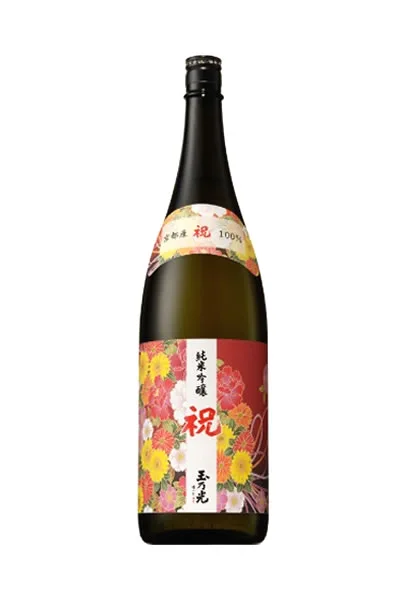
Junmai Ginjo Iwai 100%
純米吟醸 祝 100%Junmai ginjo, rice polished to 60%
Tamanohikari — Tamanohikari Shuzo, Kyoto
A delicate ginjo aroma, like Kyo-yuzen (Kyoto silk) fabric, with a balanced and graceful taste.
Specifications
- Type
- Junmai Ginjo
- Rice
- Not disclosed
- Rice polishing ratio
- 60%40% of each grain polished away
- Yeast
- Kyokai No. 901
- Alcohol
- 16.2%
- Sake meter value
- +1–+2slightly dry
- Acidity
- 1.8
How to read these
- Type
- The grade printed on the label. It depends on the ingredients (rice only, or with a little distilled alcohol) and on how far the rice is polished. More
- Rice
- The rice variety. Most premium sake uses varieties grown for brewing, such as Yamada Nishiki. More
- Rice polishing ratio
- How much of each grain is left after polishing. A lower number means more was milled away, which usually gives a lighter, more aromatic sake. More
- Yeast
- The yeast strain, which shapes the aroma. More
- Alcohol
- Alcohol by volume. Most sake is 15–16%; undiluted (genshu) sake is often 17–18%. More
- Sake meter value
- A sweet-to-dry scale. Plus is drier, minus is sweeter. Acidity changes how it tastes, so treat it as a rough guide. More
- Acidity
- Total acid. Higher tends to taste fuller and drier; lower tastes lighter and sweeter. More
Flavor profile Aromatic & light
Aromatic & light — fruity, floral aroma with a light body. Known in Japan as kun-shu (薫酒).
The 60% polish ginjo-style junmai and its description of a subtle ginjo aroma and gentle balance place aroma slightly positive. SMV 1 to 2 with acidity 1.8 gives moderate sweetness balanced by acidity, for a light-to-middle body.
Estimated by AI from the published specifications and the brewery's description; your impression may differ.
About
Brewed exclusively with Iwai, a premium sake rice grown in Kyoto that was revived through the cooperation of dedicated farmers and local government agencies, this junmai ginjo is polished to a rice polishing ratio of 60%. A gentle-textured junmai ginjo with a well-balanced acidity and umami, it can be enjoyed from chilled to warmed (kan), though it is best served at a cool temperature slightly below room temperature.
Other sake from this brand 8
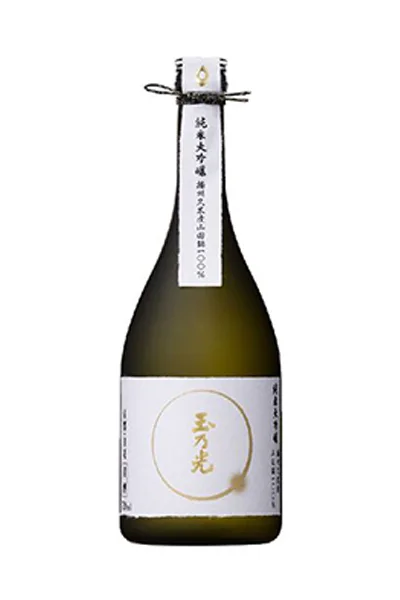
- Tamanohikari Junmai Daiginjo Banshu Yamada Nishiki玉乃光 純米大吟醸 播州山田錦
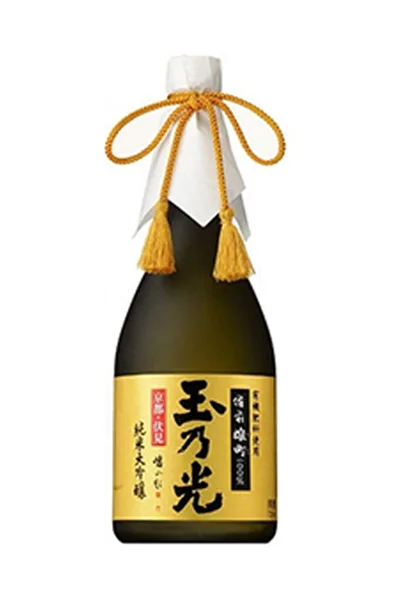
- Tamanohikari Junmai Daiginjo Bizen Omachi Yuki Hiryo Shiyo玉乃光 純米大吟醸 備前雄町 有機肥料使用
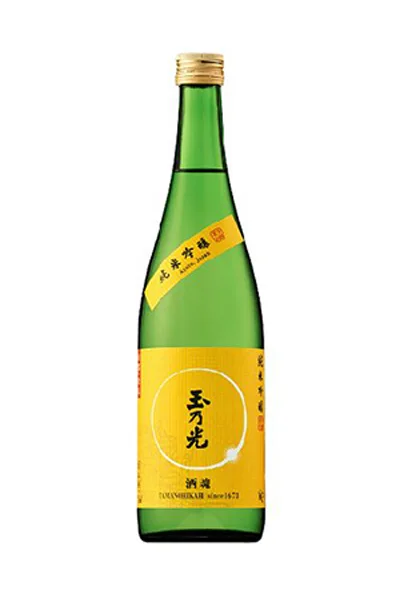
- Tamanohikari Shukon玉乃光 酒魂
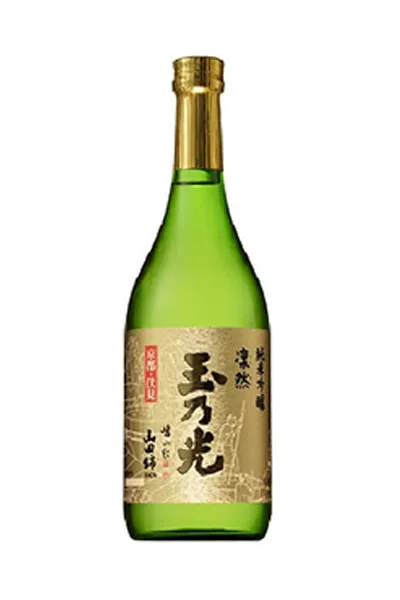
- Tamanohikari Junmai Ginjo Rinzen玉乃光 純米吟醸 凛然
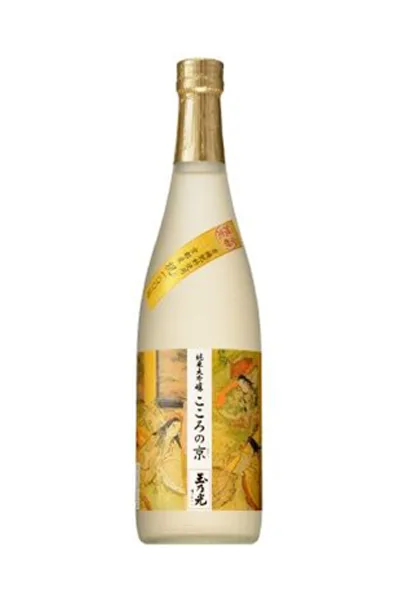
- Tamanohikari Junmai Daiginjo Kokoro no Kyo玉乃光 純米大吟醸 こころの京
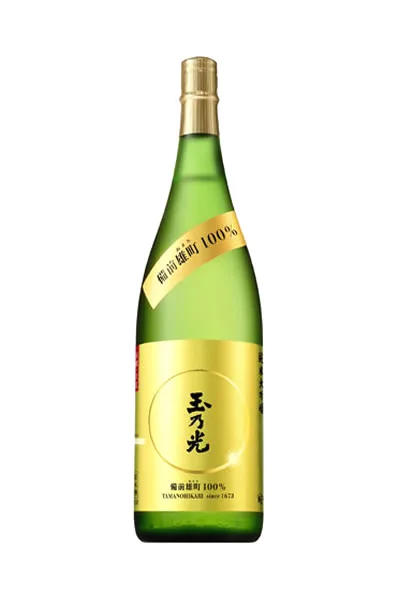
- Tamanohikari Junmai Daiginjo Bizen Omachi Omachi 100%玉乃光 純米大吟醸 備前雄町 雄町100%
- Tamanohikari Yamahai Junmai Ginjo玉乃光 山廃 純米吟醸
- Tamanohikari Junmai Daiginjo Chozen玉乃光 純米大吟醸 超然