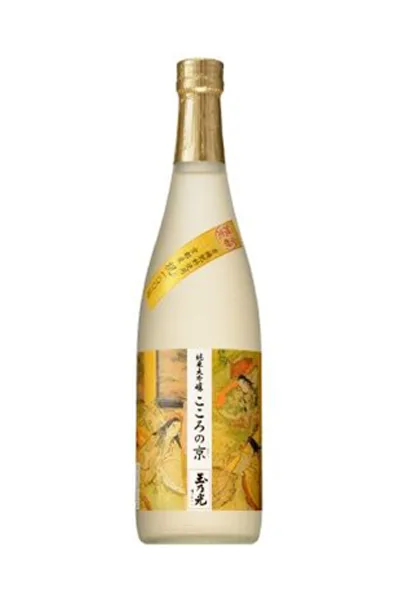
Tamanohikari Junmai Daiginjo Kokoro no Kyo
玉乃光 純米大吟醸 こころの京Junmai daiginjo, rice polished to 50%
Tamanohikari — Tamanohikari Shuzo, Kyoto
A fine-textured taste with a gentle, rounded fullness.
Specifications
- Type
- Junmai Daiginjo
- Rice
- Not disclosed
- Rice polishing ratio
- 50%50% of each grain polished away
- Yeast
- Not disclosed
- Alcohol
- 16.2%
- Sake meter value
- +3.5dry
- Acidity
- 1.7
How to read these
- Type
- The grade printed on the label. It depends on the ingredients (rice only, or with a little distilled alcohol) and on how far the rice is polished. More
- Rice
- The rice variety. Most premium sake uses varieties grown for brewing, such as Yamada Nishiki. More
- Rice polishing ratio
- How much of each grain is left after polishing. A lower number means more was milled away, which usually gives a lighter, more aromatic sake. More
- Yeast
- The yeast strain, which shapes the aroma. More
- Alcohol
- Alcohol by volume. Most sake is 15–16%; undiluted (genshu) sake is often 17–18%. More
- Sake meter value
- A sweet-to-dry scale. Plus is drier, minus is sweeter. Acidity changes how it tastes, so treat it as a rough guide. More
- Acidity
- Total acid. Higher tends to taste fuller and drier; lower tastes lighter and sweeter. More
Flavor profile Aromatic & light
Aromatic & light — fruity, floral aroma with a light body. Known in Japan as kun-shu (薫酒).
The description of a refined, light taste with a distinctive fragrance, together with the 50% polish junmai daiginjo specs (SMV +3.5, acidity 1.7), points to a fragrant, light and slightly dry profile. A gentle fullness in the finish adds some richness.
Estimated by AI from the published specifications and the brewery's description; your impression may differ.
About
A junmai daiginjo made with 100% Kyoto-grown premium sake rice Iwai (grown with organic fertilizer) for both the koji rice and the kake rice. Set in the Kyoto region a thousand years ago, the sake draws its inspiration from The Tale of Genji (Genji Monogatari), in which the Heian-era aristocrats Hikaru Genji, Kaoru, and Niou-no-miya become entangled with a range of women. Kokoro no Kyo is brewed solely from Kyoto-grown Iwai cultivated with organic fertilizer. Because its tall culms easily lodged, Iwai disappeared from cultivation after 1974. Through the efforts of the Fushimi Sake Brewers' Association, cultivation methods were improved with the help of the Kyoto Prefectural Agricultural Research Institute, and in 1992 Iwai sake returned to Fushimi after an absence of about 20 years. The sake is characterized by a Tanrei (light, clean) taste and a distinctive aroma, and it can be enjoyed from chilled to lukewarm. It is also well received as a gift.
Other sake from this brand 8
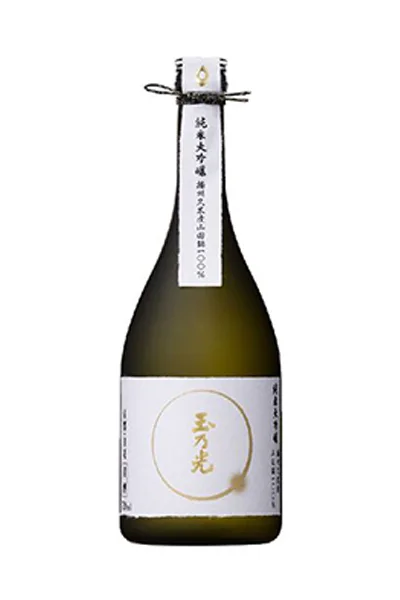
- Tamanohikari Junmai Daiginjo Banshu Yamada Nishiki玉乃光 純米大吟醸 播州山田錦
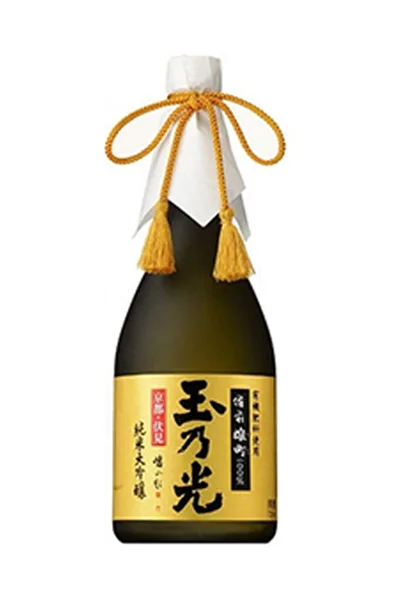
- Tamanohikari Junmai Daiginjo Bizen Omachi Yuki Hiryo Shiyo玉乃光 純米大吟醸 備前雄町 有機肥料使用
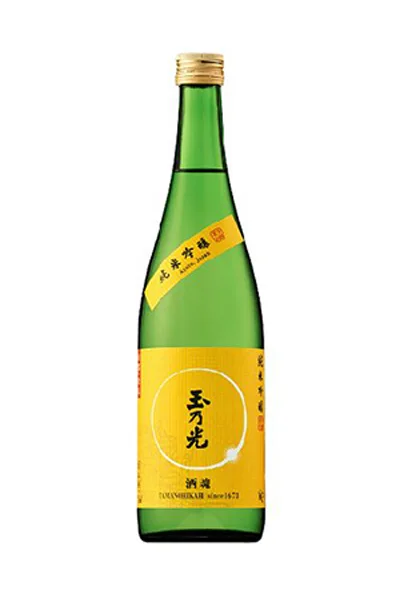
- Tamanohikari Shukon玉乃光 酒魂
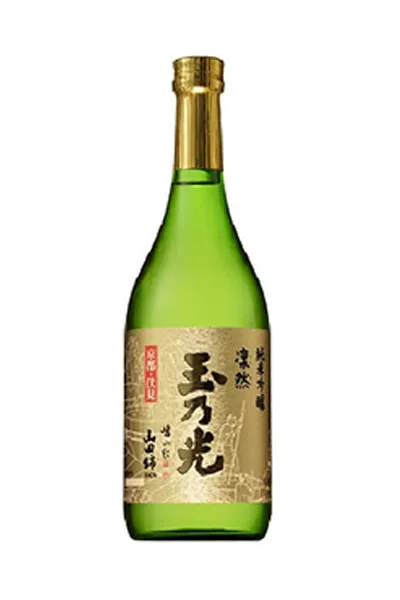
- Tamanohikari Junmai Ginjo Rinzen玉乃光 純米吟醸 凛然
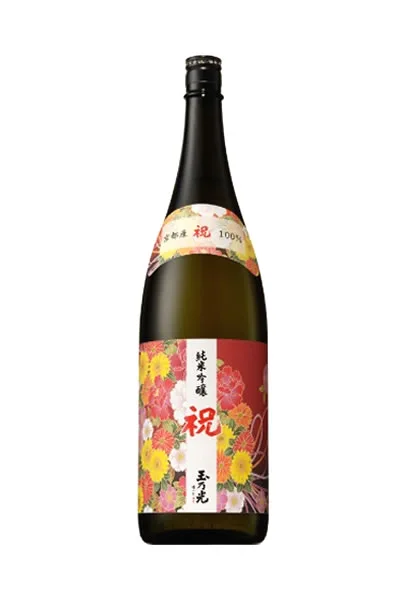
- Junmai Ginjo Iwai 100%純米吟醸 祝 100%
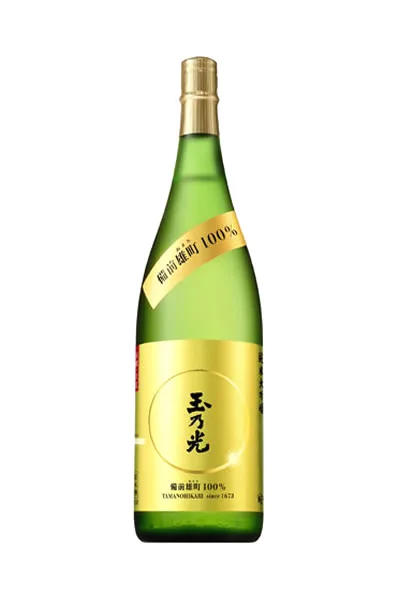
- Tamanohikari Junmai Daiginjo Bizen Omachi Omachi 100%玉乃光 純米大吟醸 備前雄町 雄町100%
- Tamanohikari Yamahai Junmai Ginjo玉乃光 山廃 純米吟醸
- Tamanohikari Junmai Daiginjo Chozen玉乃光 純米大吟醸 超然