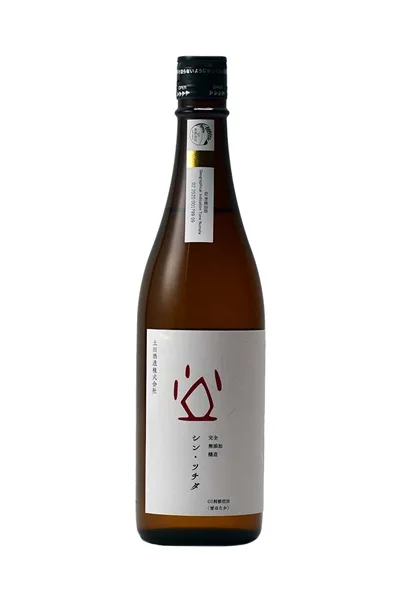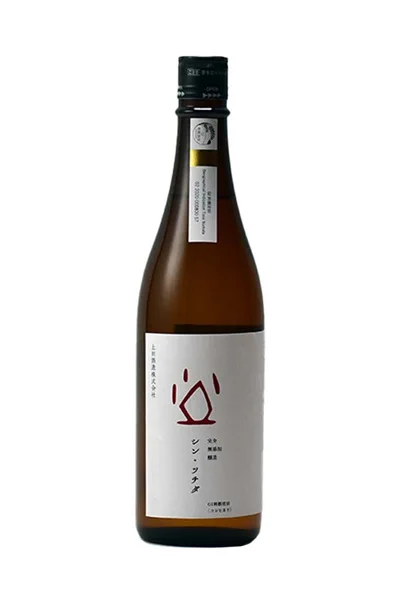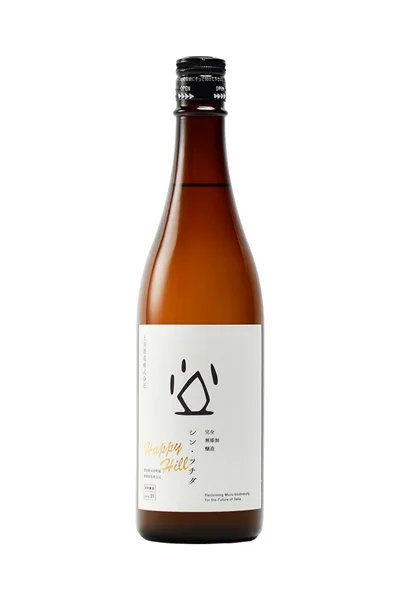
Shin Tsuchida Happy Hill (Kenkyu Jozo Data31)
シン・ツチダ ハッピーヒル (研究醸造Data31)Junmai, rice polished to 90%, research brew (kenkyu jozo)
Tsuchida — Tsuchida Shuzo, Gunma
Shin Tsuchida, made from rice grown in upland fields rather than paddies.
Specifications
- Type
- Junmai Shu
- Rice
- Not disclosed
- Rice polishing ratio
- 90%10% of each grain polished away
- Yeast
- Mutenka
- Alcohol
- 16%
- Sake meter value
- -7.5very sweet
- Acidity
- 2.7
How to read these
- Type
- The grade printed on the label. It depends on the ingredients (rice only, or with a little distilled alcohol) and on how far the rice is polished. More
- Rice
- The rice variety. Most premium sake uses varieties grown for brewing, such as Yamada Nishiki. More
- Rice polishing ratio
- How much of each grain is left after polishing. A lower number means more was milled away, which usually gives a lighter, more aromatic sake. More
- Yeast
- The yeast strain, which shapes the aroma. More
- Alcohol
- Alcohol by volume. Most sake is 15–16%; undiluted (genshu) sake is often 17–18%. More
- Sake meter value
- A sweet-to-dry scale. Plus is drier, minus is sweeter. Acidity changes how it tastes, so treat it as a rough guide. More
- Acidity
- Total acid. Higher tends to taste fuller and drier; lower tastes lighter and sweeter. More
Flavor profile Rich & umami
Rich & umami — rice-driven umami and a fuller body. Known in Japan as jun-shu (醇酒).
Junmai kimoto at 90% polishing, with the text's emphasis on firm umami, points to a restrained aroma and a rich body. SMV -7.5 adds perceived sweetness, balanced by acidity 2.7 and a surprisingly light finish.
Estimated by AI from the published specifications and the brewery's description; your impression may differ.
About
Have you ever heard of sake made from rice grown in upland fields rather than in paddies? Rice is grown in paddies. Most people believe this, and I certainly had never considered growing rice in dry fields instead of flooded paddies. Happy Hill is the nickname of the rice. Its official variety name is Fukushima No. 2. The variety was first bred and registered by Masanobu Fukuoka, the founder of natural farming. Reportedly, the name comes from the characters in his name: Fuku (福) means Happy, and oka (岡) means Hill. Upland rice (rikutou) is rarely heard of in Japan, but many regions around the world grow rice this way. In Japan, upland rice has a longer history than paddy rice. Today, mainly glutinous rice is grown as upland rice in Tochigi and Ibaraki prefectures. A sake that changes how we think about raw rice Tasting this sake made from Happy Hill may change the way you think about the rice used in sake brewing. As part of the Shin Tsuchida series of rice variations, we had already brewed with Princess Sari, a medium-long grain rice derived from indica rice. Then came this upland Happy Hill. At Tsuchida Shuzo, we were able to make a delicious sake with no problems at all. It may be fair to say this was possible because of Tsuchida Shuzo and because of Shin Tsuchida. There are three key points that we believe made this possible: 1) Low polishing, so the rice does not crack 2) Strong koji to break down the starch 3) Mutenka kimoto (kimoto yeast starter made without additives, a traditional yeast-starter method) Through brewing with Happy Hill, our view has deepened that any rice can serve as the raw material for sake. Food rice, medium-long grain rice, upland rice. By making sake from a variety of rice, the flavors of sake become more diverse, and the character of the region and the individuality of the brewery can be expressed more clearly. This is what I believe. This is a sake with solid, well-developed umami. It is richly flavorful, but the finish is surprisingly light and easy to drink. As with Jo (壌) and Princess Sari, because the rice is naturally grown, the sake tastes lighter than its analytical values would suggest. Please try it at room temperature or warmed. It pairs especially well with meat dishes.
Other sake from this brand 37
- GI Shin Tsuchida Yuki HotakaGI シン・ツチダ 雪ほたか
- GI Shin Tsuchida KoshihikariGI シン・ツチダ コシヒカリ
- Oze no Mokudo 2024-1尾瀬の木道2024-1
- Kan Tsuchidaカン・ツチダ
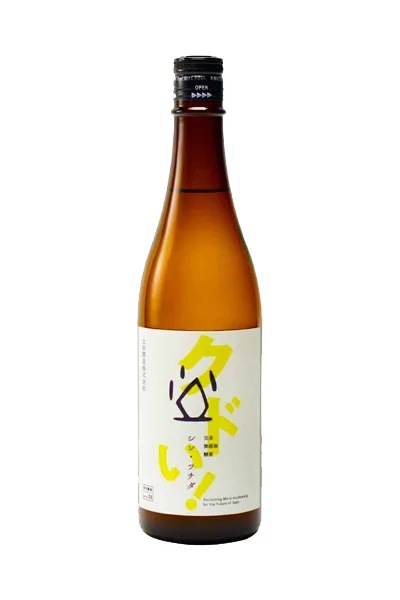
- Kudoi! Shin Tsuchida (Kenkyu Jozo data.32)クドい!シン・ツチダ(研究醸造 data.32)
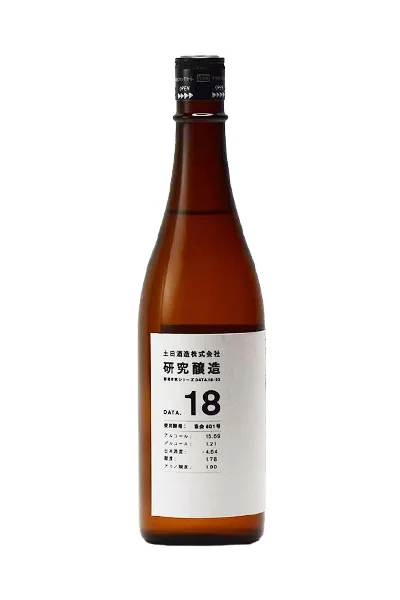
- Kenkyu Jozo 18研究醸造18
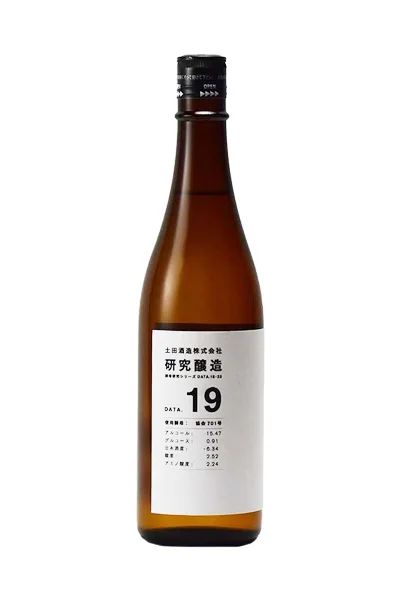
- Kenkyu Jozo 19研究醸造19
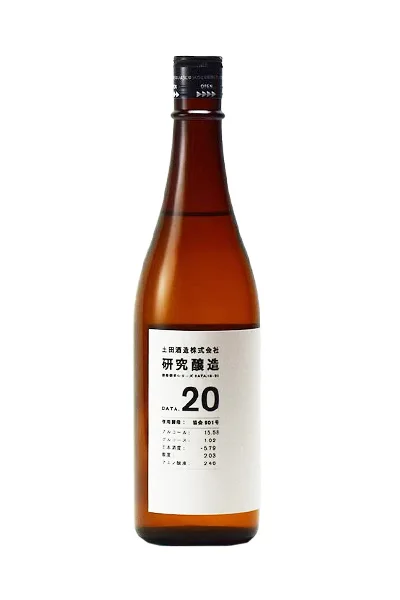
- Tsuchida Kenkyu Jozo 20研究醸造20
- Kenkyu Jozo 21研究醸造21
- Kenkyu Jozo 22研究醸造22
- Kenkyu Jozo 23研究醸造23
- Kenkyu Jozo Data15研究醸造 Data15