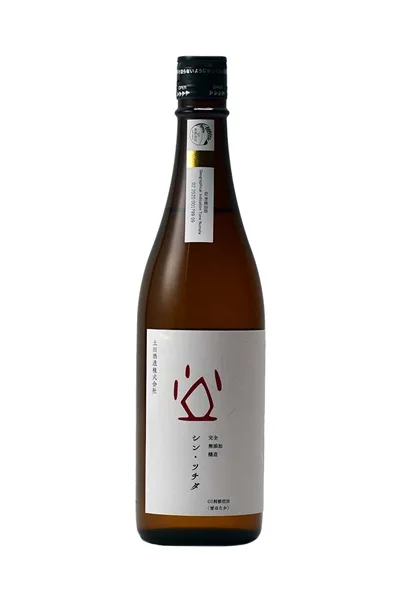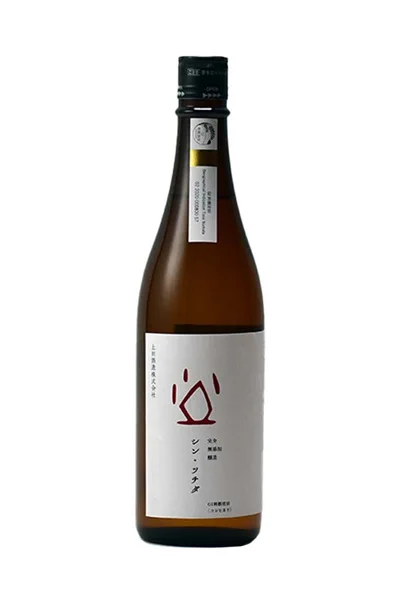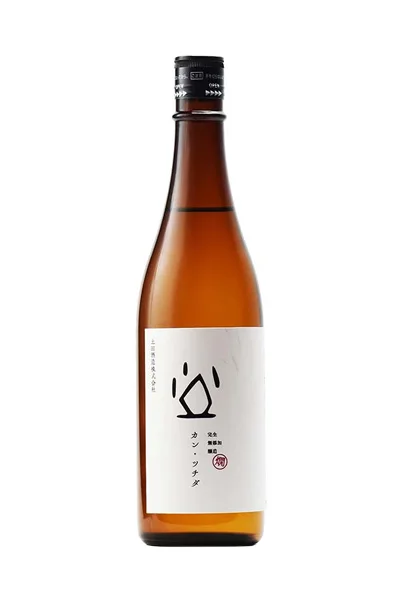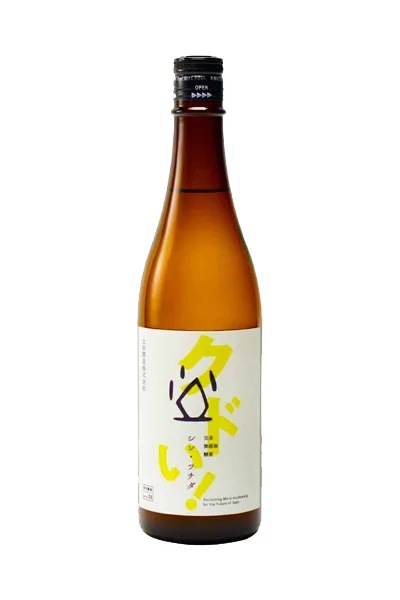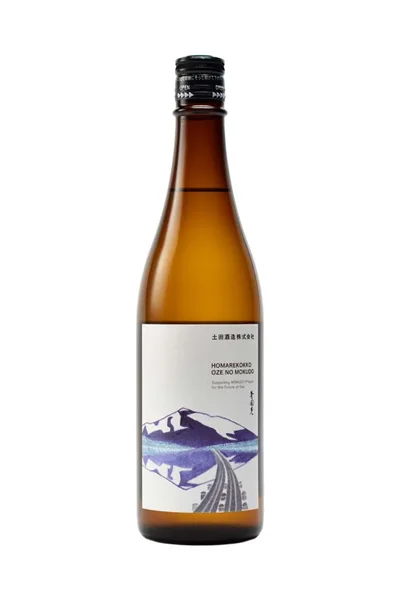
Oze no Mokudo 2024-1
尾瀬の木道2024-1Junmai, Asahi no Yume rice polished to 90%
Tsuchida — Tsuchida Shuzo, Gunma
Oze, a natural museum woven by time. A sake that helps protect the Oze boardwalks for generations to come.
Specifications
- Type
- Junmai Shu
- Rice
- Asahi no Yume
- Rice polishing ratio
- 90%10% of each grain polished away
- Yeast
- Mutenka
- Alcohol
- 15%
- Sake meter value
- -16.2very sweet
- Acidity
- 3
How to read these
- Type
- The grade printed on the label. It depends on the ingredients (rice only, or with a little distilled alcohol) and on how far the rice is polished. More
- Rice
- The rice variety. Most premium sake uses varieties grown for brewing, such as Yamada Nishiki. More
- Rice polishing ratio
- How much of each grain is left after polishing. A lower number means more was milled away, which usually gives a lighter, more aromatic sake. More
- Yeast
- The yeast strain, which shapes the aroma. More
- Alcohol
- Alcohol by volume. Most sake is 15–16%; undiluted (genshu) sake is often 17–18%. More
- Sake meter value
- A sweet-to-dry scale. Plus is drier, minus is sweeter. Acidity changes how it tastes, so treat it as a rough guide. More
- Acidity
- Total acid. Higher tends to taste fuller and drier; lower tastes lighter and sweeter. More
Flavor profile Clean & dry
Clean & dry — restrained aroma, crisp and refreshing. Known in Japan as so-shu (爽酒).
An SMV of -16.2 and the text's gentle sweetness point to a noticeably sweet profile, while the 90% polishing and junmai style keep aroma restrained. The light, approachable texture described in the text places it in the so quadrant.
Estimated by AI from the published specifications and the brewery's description; your impression may differ.
About
Oze National Park spans four prefectures: Gunma, Fukushima, Tochigi, and Niigata. Boardwalks (mokudo) cross the famous Oze-ga-hara marshland. These boardwalks are not walked by tourists alone. Bokka (porters) carry loads on their backs to the mountain huts, bringing the supplies that people there depend on. Where the footsteps of those who love Oze and live alongside it overlap, this is a place of many lives. Yet these beautiful boardwalks wear down over time, and they can pose a danger to the porters' footing. Out of a simple wish to protect the Oze boardwalks, the porters launched the Oze Boardwalk Restoration Project. The project aims to repair damaged sections and create new paths that people can walk on with confidence. The sake is made with rice grown in Gunma Prefecture, using the traditional Kimoto (traditional yeast-starter method) brewing method. Its flavor, however, is not complex. It is characterized by a gentle, pleasant sweetness and a light, airy quality. It is designed so that even people new to sake, who may not know much about it but are interested in this project, can enjoy it. The label features an illustration that drew support in a crowdfunding campaign last year, making the bottle approachable even for those unfamiliar with sake. With a balance of pleasant sweetness and lightness, it is a sake that people unfamiliar with sake can enjoy. Please give it a try.
Other sake from this brand 37
- GI Shin Tsuchida Yuki HotakaGI シン・ツチダ 雪ほたか
- GI Shin Tsuchida KoshihikariGI シン・ツチダ コシヒカリ
- Kan Tsuchidaカン・ツチダ
- Kudoi! Shin Tsuchida (Kenkyu Jozo data.32)クドい!シン・ツチダ(研究醸造 data.32)
- Kenkyu Jozo 18研究醸造18
- Kenkyu Jozo 19研究醸造19
- Tsuchida Kenkyu Jozo 20研究醸造20
- Kenkyu Jozo 21研究醸造21
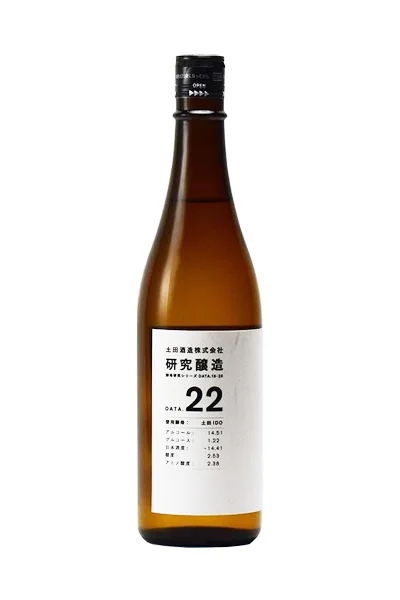
- Kenkyu Jozo 22研究醸造22
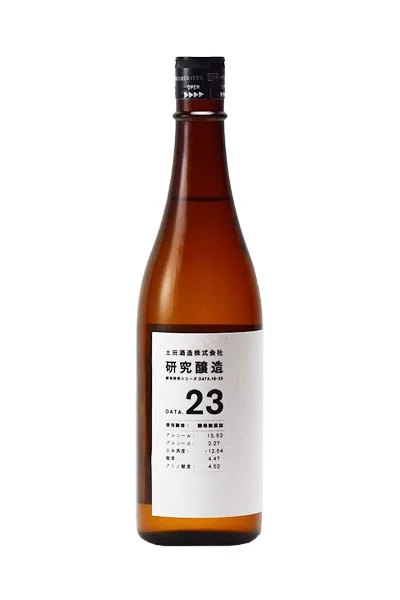
- Kenkyu Jozo 23研究醸造23
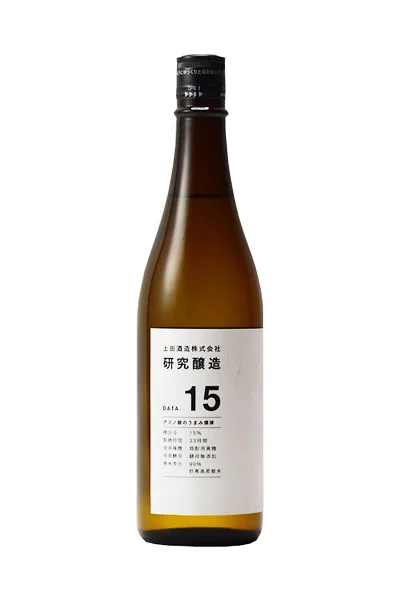
- Kenkyu Jozo Data15研究醸造 Data15
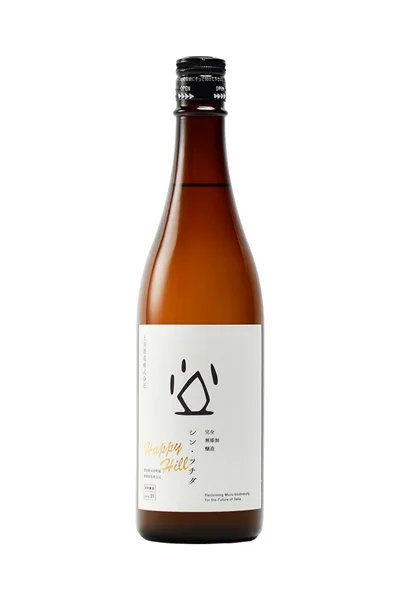
- Shin Tsuchida Happy Hill (Kenkyu Jozo Data31)シン・ツチダ ハッピーヒル (研究醸造Data31)