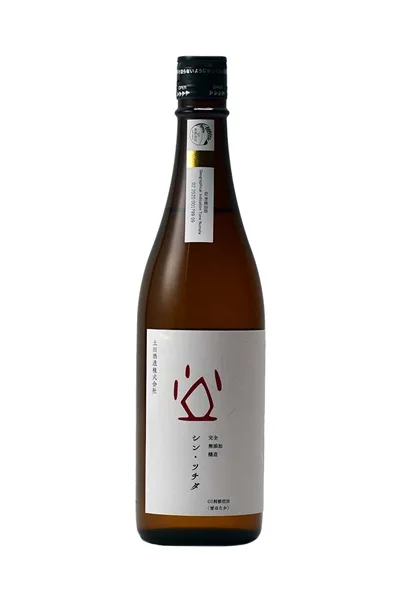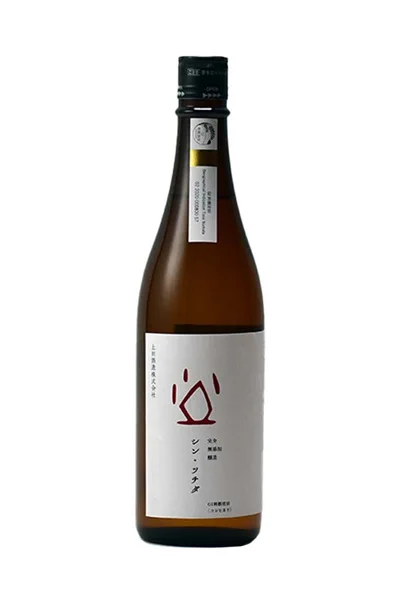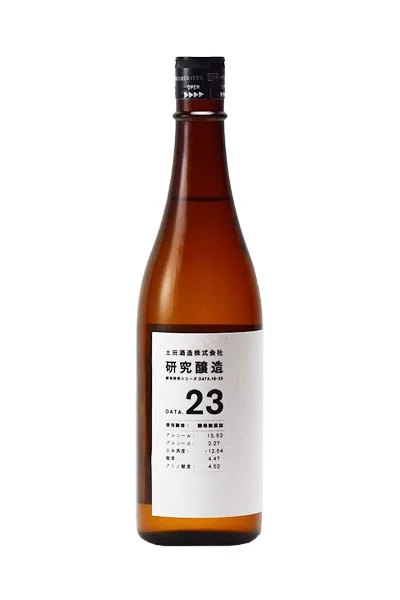
Kenkyu Jozo 23
研究醸造23Junmai, rice polished to 90%
Tsuchida — Tsuchida Shuzo, Gunma
Mutenka: no yeast added
Specifications
- Type
- Junmai Shu
- Rice
- Not disclosed
- Rice polishing ratio
- 90%10% of each grain polished away
- Yeast
- Mutenka
- Alcohol
- 15.5%
- Sake meter value
- -12very sweet
- Acidity
- 4.4
How to read these
- Type
- The grade printed on the label. It depends on the ingredients (rice only, or with a little distilled alcohol) and on how far the rice is polished. More
- Rice
- The rice variety. Most premium sake uses varieties grown for brewing, such as Yamada Nishiki. More
- Rice polishing ratio
- How much of each grain is left after polishing. A lower number means more was milled away, which usually gives a lighter, more aromatic sake. More
- Yeast
- The yeast strain, which shapes the aroma. More
- Alcohol
- Alcohol by volume. Most sake is 15–16%; undiluted (genshu) sake is often 17–18%. More
- Sake meter value
- A sweet-to-dry scale. Plus is drier, minus is sweeter. Acidity changes how it tastes, so treat it as a rough guide. More
- Acidity
- Total acid. Higher tends to taste fuller and drier; lower tastes lighter and sweeter. More
Flavor profile Rich & umami
Rich & umami — rice-driven umami and a fuller body. Known in Japan as jun-shu (醇酒).
The SMV of -12 and acidity of 4.4 point to a sweet, full-bodied impression, while the 90% polishing ratio suggests rice-derived umami with restrained aroma, placing it in the jun quadrant.
Estimated by AI from the published specifications and the brewery's description; your impression may differ.
About
The theme of this research is yeast variation. Many sake are made with different yeasts, but in this study we used the brewing method of "Shin Tsuchida" as the baseline and asked what differences appear when yeast is added. Put simply, this is the yeast-added version of Shin Tsuchida. Six batches were made in total: a baseline with no added yeast, and five batches with added yeast. The yeasts are as follows: [Kyokai No. 601, Kyokai No. 701, Kyokai No. 901, Gunma G201 yeast, IDO yeast, Mutenka (no added yeast)] This batch is the Mutenka (no added yeast) version. The basic production followed Shin Tsuchida, aiming for an alcohol content of 15 to 16%, and we observed what other changes occurred. In conclusion, the differences in flavor were greater than we expected. As you will understand when you taste them, the characteristics of each yeast came through. The rice was polished to a 90% rice polishing ratio, so this may show distinctive characteristics that differ from those of more heavily polished rice. This is because yeast takes up nutrients from the rice during fermentation. With a 90% rice polishing ratio, a range of nutrients remains, which gives a flavor different from that of more heavily polished rice.
Other sake from this brand 37
- GI Shin Tsuchida Yuki HotakaGI シン・ツチダ 雪ほたか
- GI Shin Tsuchida KoshihikariGI シン・ツチダ コシヒカリ
- Oze no Mokudo 2024-1尾瀬の木道2024-1
- Kan Tsuchidaカン・ツチダ
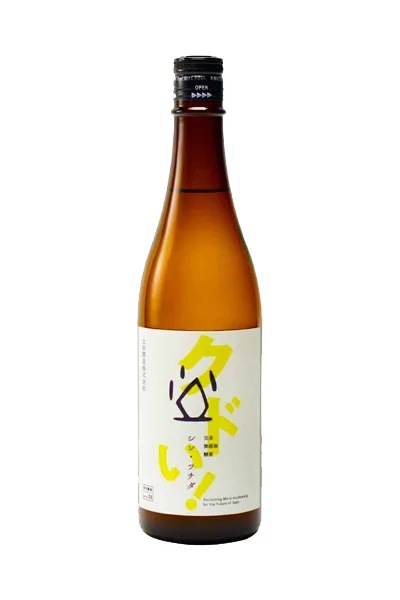
- Kudoi! Shin Tsuchida (Kenkyu Jozo data.32)クドい!シン・ツチダ(研究醸造 data.32)
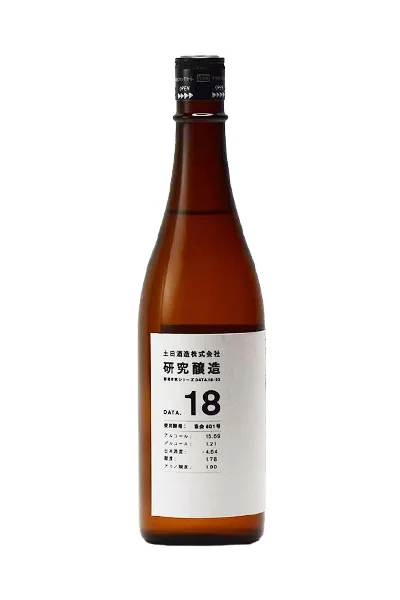
- Kenkyu Jozo 18研究醸造18
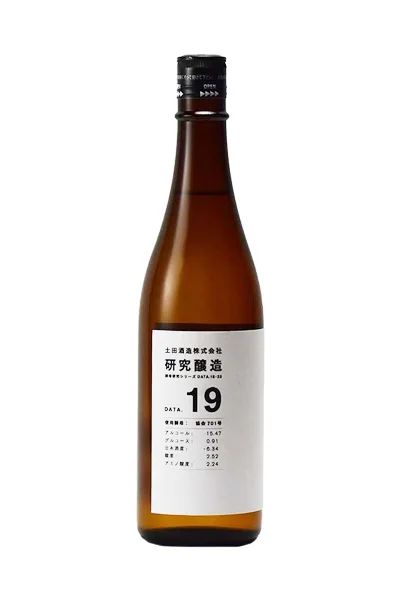
- Kenkyu Jozo 19研究醸造19
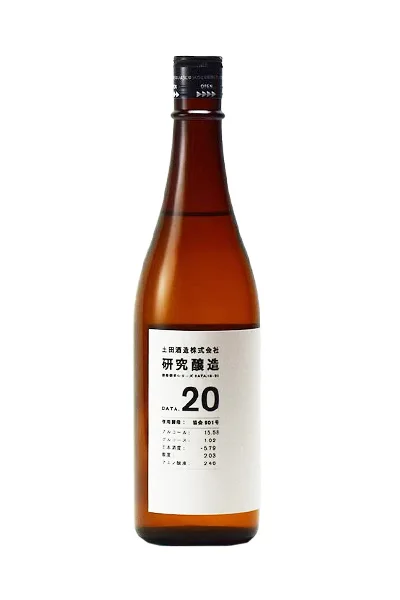
- Tsuchida Kenkyu Jozo 20研究醸造20
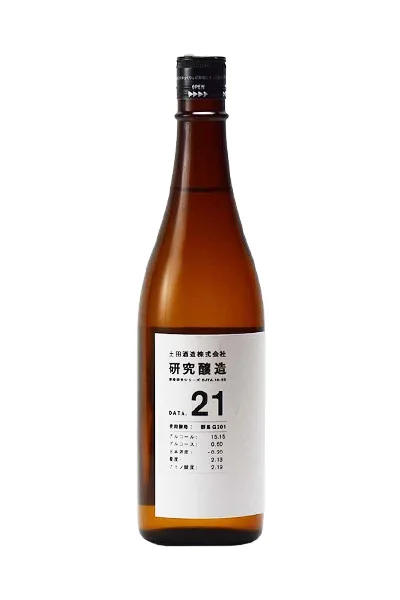
- Kenkyu Jozo 21研究醸造21
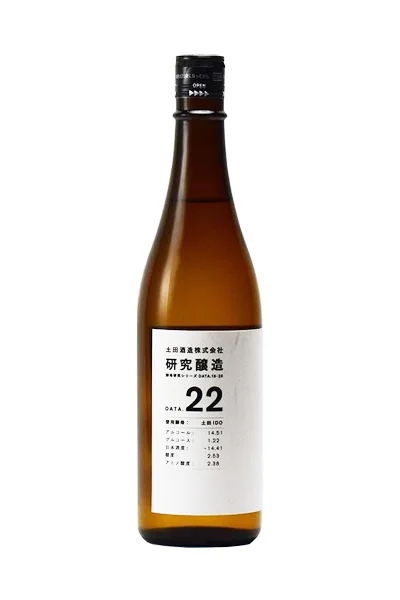
- Kenkyu Jozo 22研究醸造22
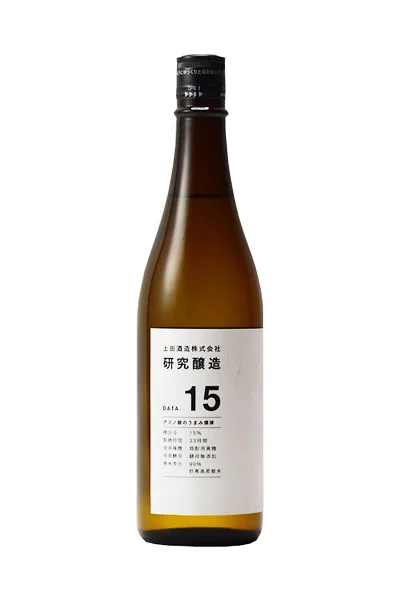
- Kenkyu Jozo Data15研究醸造 Data15
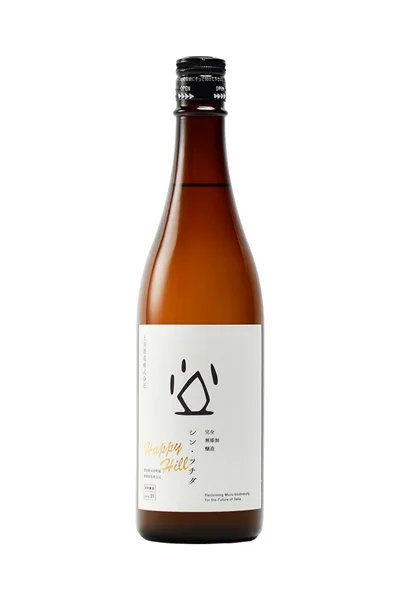
- Shin Tsuchida Happy Hill (Kenkyu Jozo Data31)シン・ツチダ ハッピーヒル (研究醸造Data31)