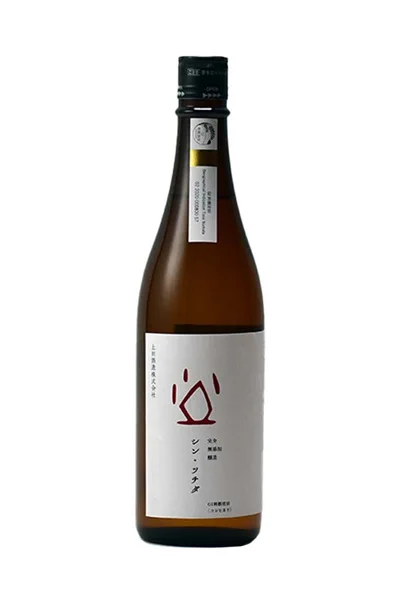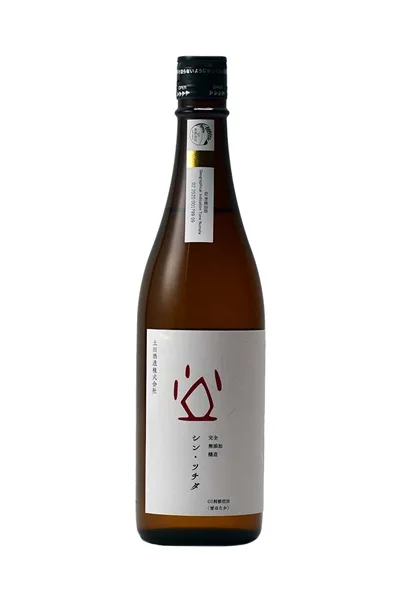
GI Shin Tsuchida Yuki Hotaka
GI シン・ツチダ 雪ほたかJunmai, rice polished to 90%
Tsuchida — Tsuchida Shuzo, Gunma
Brewed from the rare Yuki Hotaka rice with minimal polishing and an Edo-period method free of additives, this is a bottle full of umami.
Specifications
- Type
- Junmai Shu
- Rice
- Not disclosed
- Rice polishing ratio
- 90%10% of each grain polished away
- Yeast
- Mutenka
- Alcohol
- 15%
- Sake meter value
- -13very sweet
- Acidity
- 3.1
How to read these
- Type
- The grade printed on the label. It depends on the ingredients (rice only, or with a little distilled alcohol) and on how far the rice is polished. More
- Rice
- The rice variety. Most premium sake uses varieties grown for brewing, such as Yamada Nishiki. More
- Rice polishing ratio
- How much of each grain is left after polishing. A lower number means more was milled away, which usually gives a lighter, more aromatic sake. More
- Yeast
- The yeast strain, which shapes the aroma. More
- Alcohol
- Alcohol by volume. Most sake is 15–16%; undiluted (genshu) sake is often 17–18%. More
- Sake meter value
- A sweet-to-dry scale. Plus is drier, minus is sweeter. Acidity changes how it tastes, so treat it as a rough guide. More
- Acidity
- Total acid. Higher tends to taste fuller and drier; lower tastes lighter and sweeter. More
Flavor profile Full & complex
Full & complex — aromatic and full-bodied, including aged sake. Known in Japan as juku-shu (熟酒).
The SMV of -13, acidity of 3.1, and the description's mellow sweetness, umami and lingering koku point to a full, sweet-leaning junmai. The rich, complex aroma described places it in the juku zone.
Estimated by AI from the published specifications and the brewery's description; your impression may differ.
About
A rice said to have a legendary deliciousness: Yuki Hotaka. Of the Koshihikari grown in Kawaba Village in the northern part of Tone District, Gunma Prefecture, only rice cultivated under prescribed management methods may bear the name “Yuki Hotaka.” Originally, it was consumed only by the producers’ relatives and acquaintances and was never distributed to the general public. In recent years, its quality has also been recognized as a major achievement, including consecutive gold awards at the Zenkoku Kome Shokumi Bunseki Kantei Concours (National Rice Taste Analysis and Appraisal Competition). When Tone-Numata received GI (Geographical Indication) certification, the first candidate for brewing sake with local rice was Yuki Hotaka, the brand rice of Kawaba Village. This sake, brewed with the legendary rice, also received high praise from Shinya Tazaki, president of the Japan Sommelier Association. “Rich aroma with a complex impression.” “Mellow sweetness that blends in a well-balanced umami giving fullness.” “Firm acidity that gives a sense of expansion, with a finish that feels rich and lingers.” (Excerpts from comments by Shinya Tazaki)
Other sake from this brand 37
- GI Shin Tsuchida KoshihikariGI シン・ツチダ コシヒカリ
- Oze no Mokudo 2024-1尾瀬の木道2024-1
- Kan Tsuchidaカン・ツチダ
- Kudoi! Shin Tsuchida (Kenkyu Jozo data.32)クドい!シン・ツチダ(研究醸造 data.32)
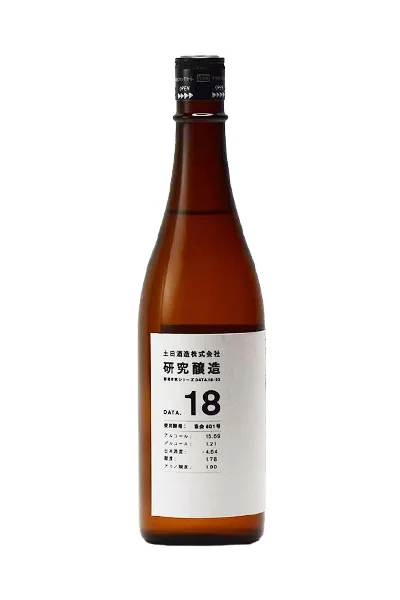
- Kenkyu Jozo 18研究醸造18
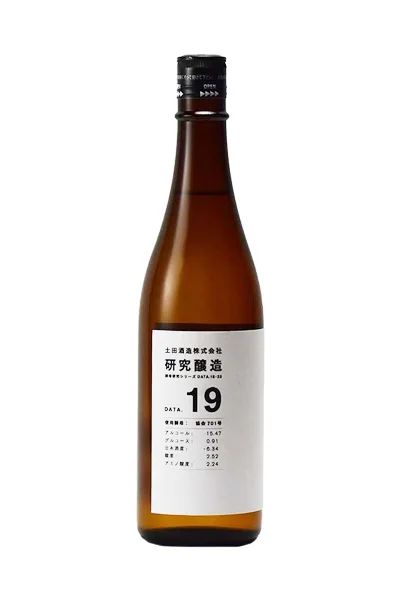
- Kenkyu Jozo 19研究醸造19
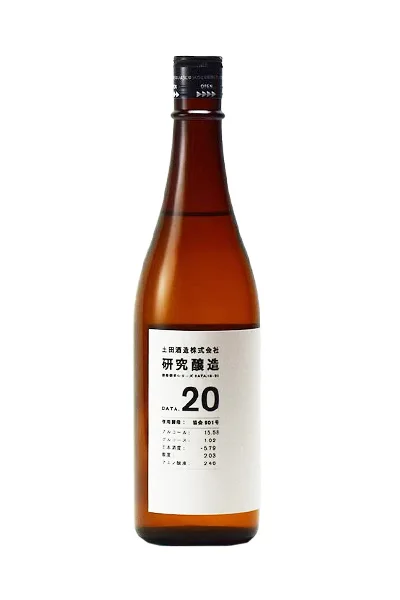
- Tsuchida Kenkyu Jozo 20研究醸造20
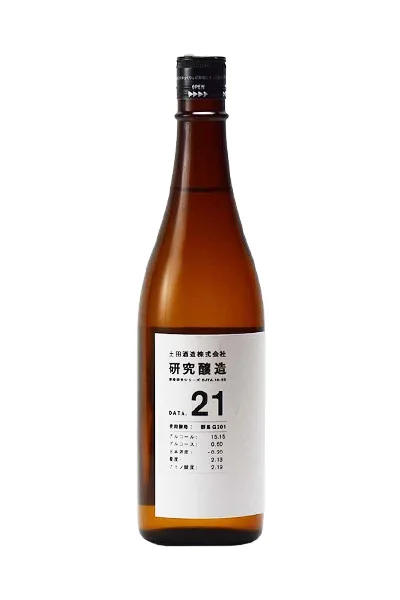
- Kenkyu Jozo 21研究醸造21
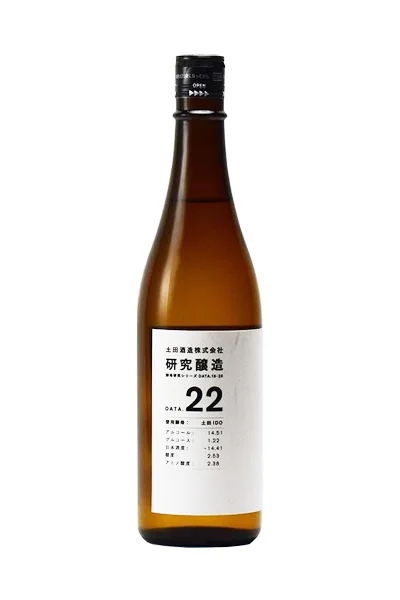
- Kenkyu Jozo 22研究醸造22
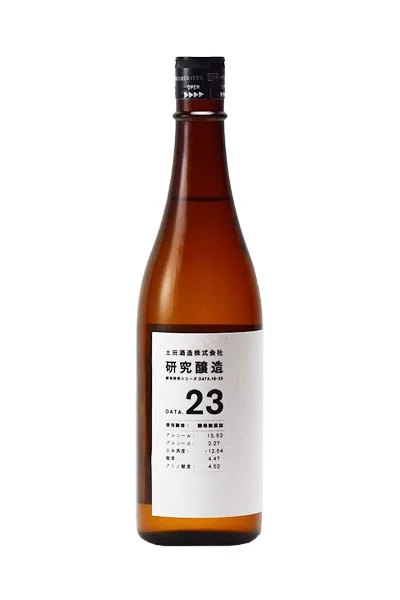
- Kenkyu Jozo 23研究醸造23
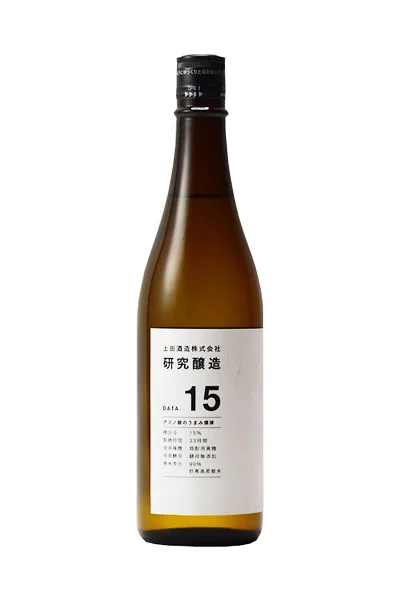
- Kenkyu Jozo Data15研究醸造 Data15
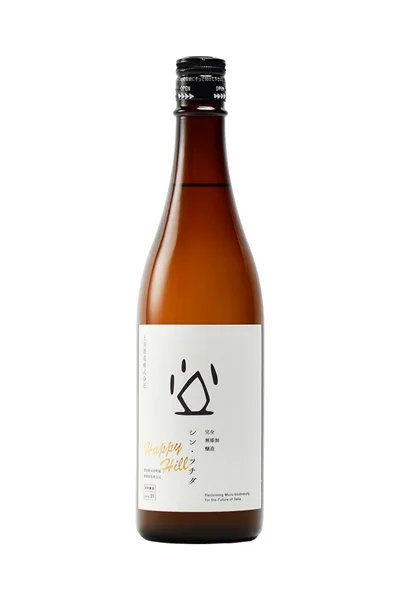
- Shin Tsuchida Happy Hill (Kenkyu Jozo Data31)シン・ツチダ ハッピーヒル (研究醸造Data31)