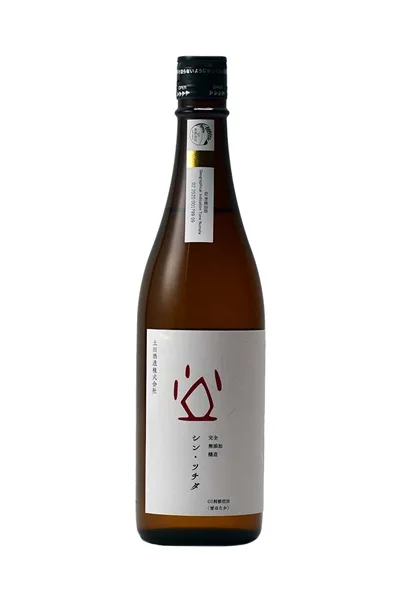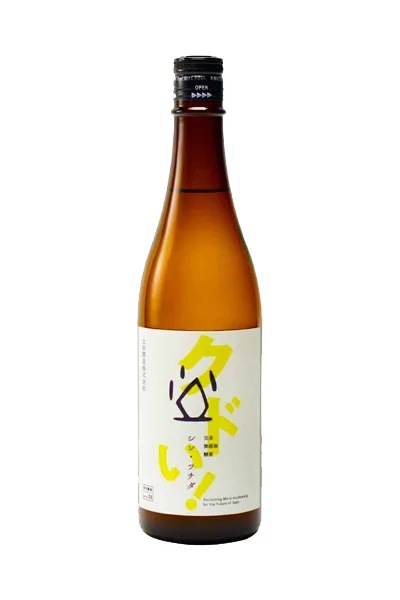
Kudoi! Shin Tsuchida (Kenkyu Jozo data.32)
クドい!シン・ツチダ(研究醸造 data.32)Junmai, Asahi no Yume rice polished to 90%, research brewing
Tsuchida — Tsuchida Shuzo, Gunma
A new challenge from Tsuchida Shuzo: a 60-hour koji-making process that left the koji room hazy with green spores. A uniquely rich sake born from unusual koji.
Specifications
- Type
- Junmai Shu
- Rice
- Asahi no Yume
- Rice polishing ratio
- 90%10% of each grain polished away
- Yeast
- Mutenka
- Alcohol
- 16.1%
- Sake meter value
- -20very sweet
- Acidity
- 3.7
How to read these
- Type
- The grade printed on the label. It depends on the ingredients (rice only, or with a little distilled alcohol) and on how far the rice is polished. More
- Rice
- The rice variety. Most premium sake uses varieties grown for brewing, such as Yamada Nishiki. More
- Rice polishing ratio
- How much of each grain is left after polishing. A lower number means more was milled away, which usually gives a lighter, more aromatic sake. More
- Yeast
- The yeast strain, which shapes the aroma. More
- Alcohol
- Alcohol by volume. Most sake is 15–16%; undiluted (genshu) sake is often 17–18%. More
- Sake meter value
- A sweet-to-dry scale. Plus is drier, minus is sweeter. Acidity changes how it tastes, so treat it as a rough guide. More
- Acidity
- Total acid. Higher tends to taste fuller and drier; lower tastes lighter and sweeter. More
Flavor profile Full & complex
Full & complex — aromatic and full-bodied, including aged sake. Known in Japan as juku-shu (熟酒).
An SMV of -20, high acidity of 3.7, and the description of intense, koji-driven richness point to a full, sweet-leaning body. The rich, abundant aroma without ginjo character places it in the juku quadrant.
Estimated by AI from the published specifications and the brewery's description; your impression may differ.
About
This time, Tsuchida Shuzo has taken on an innovative approach to sake brewing by changing the length of koji-making. The standard koji-making time found in textbooks is 48 hours, over two days. Through research at Tsuchida Shuzo, we found 48 hours to be too long. We made koji in 42 hours at times, and for Shin Tsuchida, in 33 hours. The koji for this sake was made over 60 hours. For tsuppa-sei koji (突破精), as used in ginjo-style sake, 60 hours is occasionally seen. However, we have found no sake made with sohasei koji (総破精), as ours is, that was brewed over 60 hours. We believe this may be the only sake in which that flavor can be experienced. Stepping beyond conventional brewing processes and carrying out a 60-hour koji-making process, we were able to create a special koji unlike any we had seen. In the koji room, the koji spores rose into the air, a haze enveloped the room, and the koji turned green. Some kurabito (brewers) wondered whether the sake itself would turn green. Some were also anxious about whether this could really become a drinkable sake. For that reason, we expected it would be very difficult to drink. Yet although it has a rich flavor, it was more approachable than we had anticipated. Of course, it is quite rich compared with ordinary sake. Because the koji is strong, the namahine (raw-sake off-aroma) was noticed earlier than usual. Because it contains many enzymes, when left unpasteurized it matures quickly, and its aroma is rich without any strange off-notes. It pairs well with rich foods such as iburigakko (smoked pickled daikon) with cream cheese, miso-marinated grilled pork, and beef stew. It is an excellent match for the miso glaze on yakimanju, a Gunma specialty of grilled steamed buns. This sake was created by bringing together techniques unique to Tsuchida Shuzo that depart from textbook methods.
Other sake from this brand 37
- GI Shin Tsuchida Yuki HotakaGI シン・ツチダ 雪ほたか
- GI Shin Tsuchida KoshihikariGI シン・ツチダ コシヒカリ
- Oze no Mokudo 2024-1尾瀬の木道2024-1
- Kan Tsuchidaカン・ツチダ
- Kenkyu Jozo 18研究醸造18
- Kenkyu Jozo 19研究醸造19
- Tsuchida Kenkyu Jozo 20研究醸造20
- Kenkyu Jozo 21研究醸造21
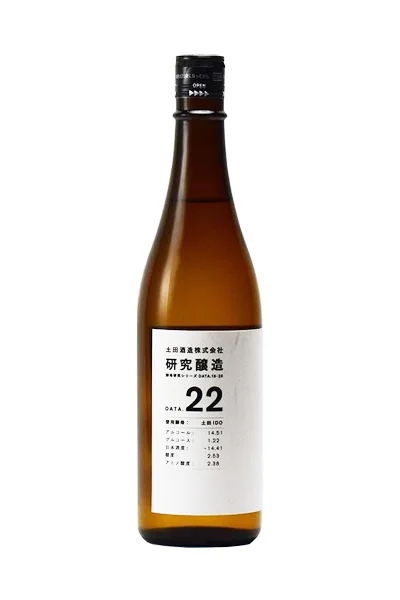
- Kenkyu Jozo 22研究醸造22
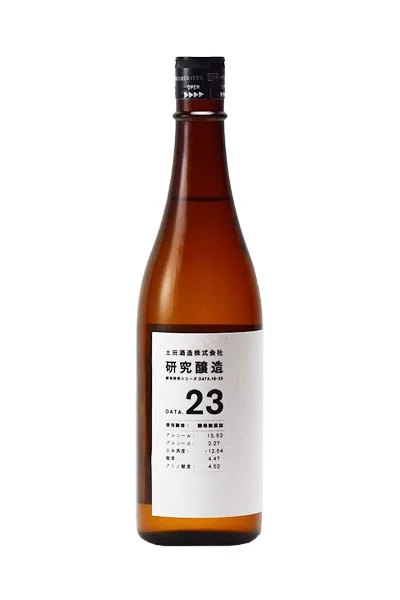
- Kenkyu Jozo 23研究醸造23
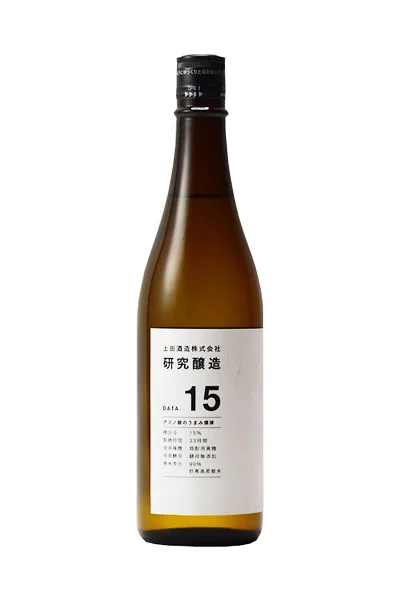
- Kenkyu Jozo Data15研究醸造 Data15
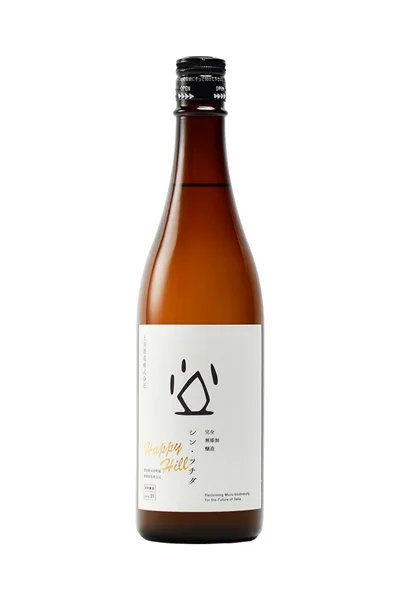
- Shin Tsuchida Happy Hill (Kenkyu Jozo Data31)シン・ツチダ ハッピーヒル (研究醸造Data31)