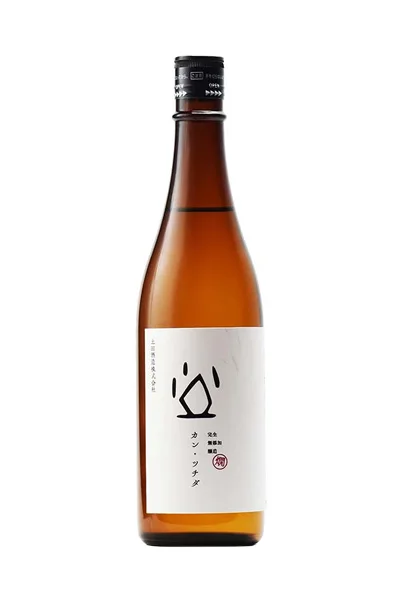
Kan Tsuchida
カン・ツチダJunmai, rice polished to 90%
Tsuchida — Tsuchida Shuzo, Gunma
Shin Tsuchida, built to improve when warmed. A sake aged for about three years, made for warming.
Specifications
- Type
- Junmai Shu
- Rice
- Not disclosed
- Rice polishing ratio
- 90%10% of each grain polished away
- Yeast
- Mutenka
- Alcohol
- 15%
- Sake meter value
- -2slightly sweet
- Acidity
- 2.6
How to read these
- Type
- The grade printed on the label. It depends on the ingredients (rice only, or with a little distilled alcohol) and on how far the rice is polished. More
- Rice
- The rice variety. Most premium sake uses varieties grown for brewing, such as Yamada Nishiki. More
- Rice polishing ratio
- How much of each grain is left after polishing. A lower number means more was milled away, which usually gives a lighter, more aromatic sake. More
- Yeast
- The yeast strain, which shapes the aroma. More
- Alcohol
- Alcohol by volume. Most sake is 15–16%; undiluted (genshu) sake is often 17–18%. More
- Sake meter value
- A sweet-to-dry scale. Plus is drier, minus is sweeter. Acidity changes how it tastes, so treat it as a rough guide. More
- Acidity
- Total acid. Higher tends to taste fuller and drier; lower tastes lighter and sweeter. More
Flavor profile Rich & umami
Rich & umami — rice-driven umami and a fuller body. Known in Japan as jun-shu (醇酒).
Junmai at 90% polishing with SMV -2, acidity 2.6 and about three years of room-temperature aging points to a restrained aroma, a full umami-rich body and sweetness that rises when warmed, which fits the jun type.
Estimated by AI from the published specifications and the brewery's description; your impression may differ.
About
Once the air starts to turn chilly, the desire for warmed sake comes on. It seems this is due to an animal sensibility that people still retain. Foods are said to have warming or cooling properties: vegetables in season in summer cool the body, while vegetables in season in winter warm it. Sake is a warming drink, so perhaps the body senses the coming cold and naturally craves it. The sake introduced this time, Kan Tsuchida, is exactly right for this season. It is a sake made for warming, and we hope you will enjoy it that way. - When warmed, its hidden sweetness and umami swell. - It can be warmed and enjoyed across a wide range of temperatures. - Warmed gradually, at 50°C the sweetness becomes richer. At 60°C and then cooled back down, the sweetness takes on a tightened, savory richness. - Warming to 50°C deliberately and warming to 60°C then cooling to 50°C produce different flavors. The principle is the same as cooking meat at a low temperature versus searing it and then letting it cool. - We hope you will enjoy it at various temperatures, at restaurants or at home. Comparing it with room-temperature sake reveals how the flavor changes. - As for food, the classic pairings are the Japanese dishes that come to mind with sake: sashimi, simmered fish, yudofu (hot tofu), dashimaki (rolled omelet), oden, and furofuki daikon (simmered daikon radish). It also pairs well with meat and cheese dishes. - Production: the brewing method is nama[?]. The yeast is kuratsuki yeast (brewery-resident yeast), which ferments naturally. The rice is meshi-mai (table rice) from Gunma Prefecture. The rice polishing ratio is 90%. For this reason, the umami of the rice can be tasted more clearly when the sake is warmed. - Bottled and stored at room temperature for about three years to mature. As a result it has the flavor of long aging, and its mellowing over three years gives it a value that comes with time. - Originally it was planned for release in autumn 2020 as a sake for warming only. However, its flavor was too hard and bitter, and no matter how it was warmed it did not improve. A year later, when it was tasted again, it was still too hard, so the release was postponed further. Now that the flavor has finally come together, it is being sold this year. - Whether there will be a next batch depends on the reception of this release. If one does follow, it would be several years from now, which makes this a rare sake.
Other sake from this brand 37
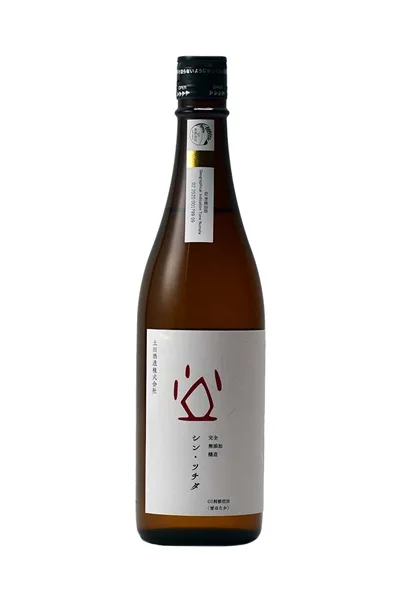
- GI Shin Tsuchida Yuki HotakaGI シン・ツチダ 雪ほたか
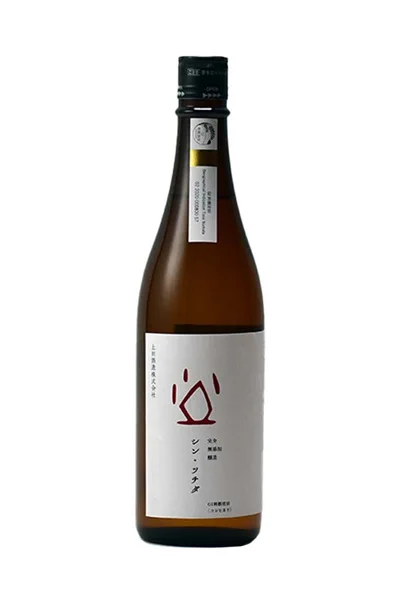
- GI Shin Tsuchida KoshihikariGI シン・ツチダ コシヒカリ
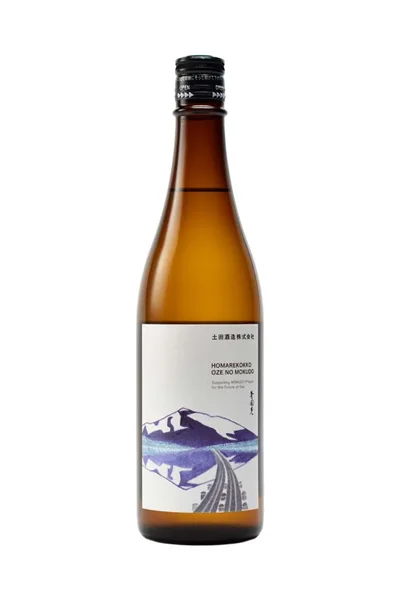
- Oze no Mokudo 2024-1尾瀬の木道2024-1
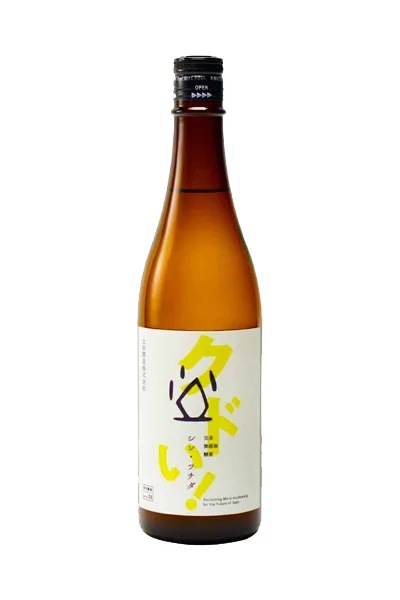
- Kudoi! Shin Tsuchida (Kenkyu Jozo data.32)クドい!シン・ツチダ(研究醸造 data.32)
- Kenkyu Jozo 18研究醸造18
- Kenkyu Jozo 19研究醸造19
- Tsuchida Kenkyu Jozo 20研究醸造20
- Kenkyu Jozo 21研究醸造21
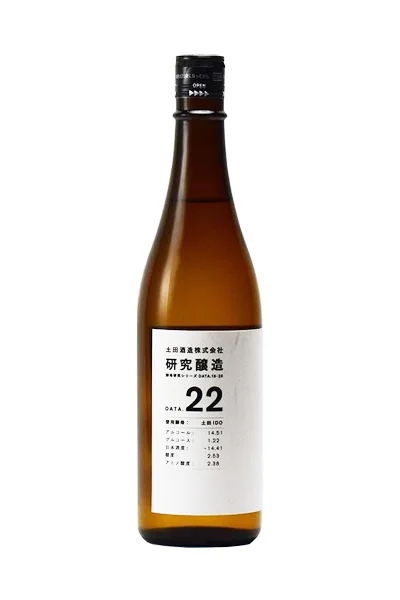
- Kenkyu Jozo 22研究醸造22
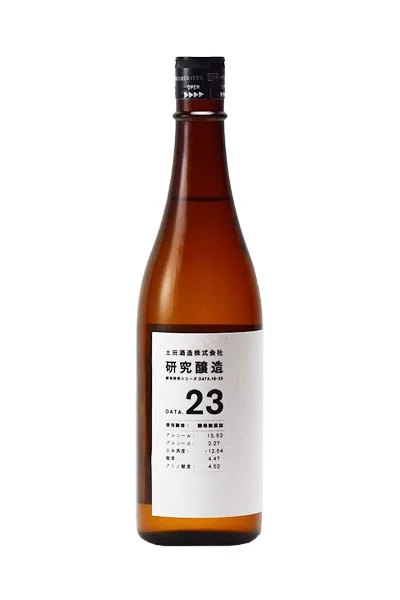
- Kenkyu Jozo 23研究醸造23
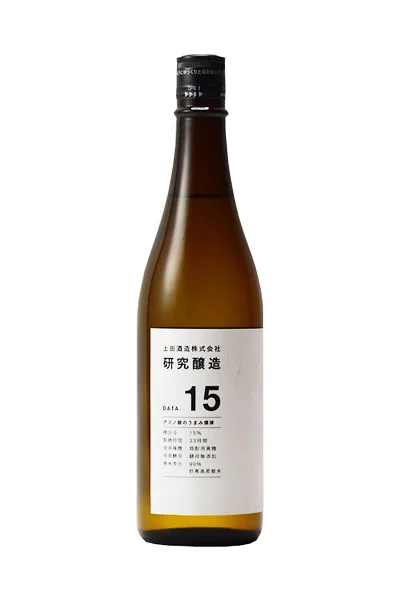
- Kenkyu Jozo Data15研究醸造 Data15
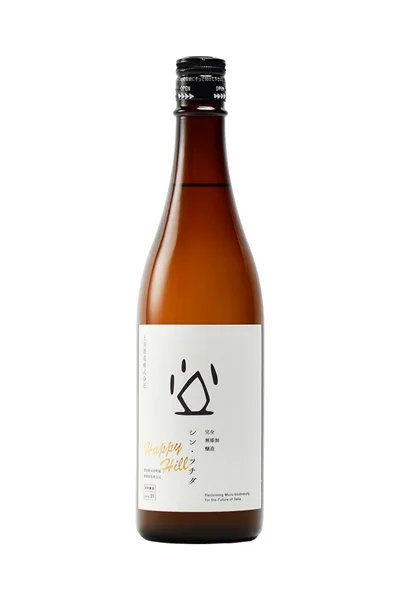
- Shin Tsuchida Happy Hill (Kenkyu Jozo Data31)シン・ツチダ ハッピーヒル (研究醸造Data31)