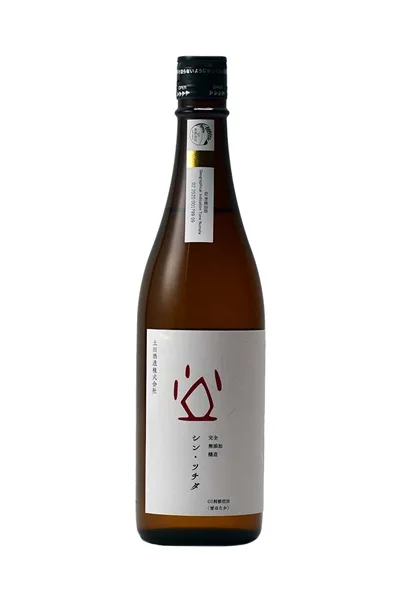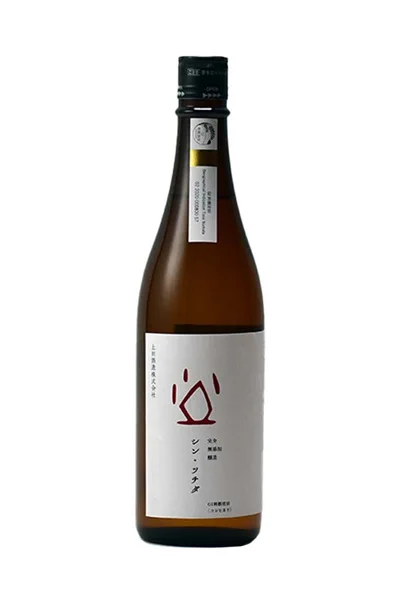
GI Shin Tsuchida Koshihikari
GI シン・ツチダ コシヒカリJunmai, Koshihikari rice polished to 90%
Tsuchida — Tsuchida Shuzo, Gunma
Made from Koshihikari grown in stone-walled terraced paddies and released as GI (Geographical Indication) Tone-Numata Shin Tsuchida Koshihikari, following the certification of the Tone-Numata name.
Specifications
- Type
- Junmai Shu
- Rice
- Koshihikari
- Rice polishing ratio
- 90%10% of each grain polished away
- Yeast
- Mutenka
- Alcohol
- 15%
- Sake meter value
- -20very sweet
- Acidity
- 3.7
How to read these
- Type
- The grade printed on the label. It depends on the ingredients (rice only, or with a little distilled alcohol) and on how far the rice is polished. More
- Rice
- The rice variety. Most premium sake uses varieties grown for brewing, such as Yamada Nishiki. More
- Rice polishing ratio
- How much of each grain is left after polishing. A lower number means more was milled away, which usually gives a lighter, more aromatic sake. More
- Yeast
- The yeast strain, which shapes the aroma. More
- Alcohol
- Alcohol by volume. Most sake is 15–16%; undiluted (genshu) sake is often 17–18%. More
- Sake meter value
- A sweet-to-dry scale. Plus is drier, minus is sweeter. Acidity changes how it tastes, so treat it as a rough guide. More
- Acidity
- Total acid. Higher tends to taste fuller and drier; lower tastes lighter and sweeter. More
Flavor profile Rich & umami
Rich & umami — rice-driven umami and a fuller body. Known in Japan as jun-shu (醇酒).
A sake meter value of -20 and acidity of 3.7 point to pronounced sweetness held in shape by firm acidity, matching the description of rich rice sweetness and umami. The 90% polishing ratio and rice-led character suggest restrained aroma with a full, rich body, placing it in the jun category.
Estimated by AI from the published specifications and the brewery's description; your impression may differ.
About
Fujiyama (冨士山) hamlet in Kawaba Village, a scenic area of stone-walled terraced rice paddies. These stone-walled terraces, now rare, are preserved through the activities of the general incorporated association WASAWASA. Terraced fields require considerable labor, and as times have changed, many have become abandoned farmland. Members of WASAWASA continue to grow rice in the terraces as one of their activities, with the wish to pass on the beautiful scenery of this area to future generations. Sake made from this precious rice is GI Tone-Numata Shin Tsuchida Koshihikari. By keeping rice polishing to the minimum and brewing with a traditional Edo-period method that does not rely on additives, the natural sweetness of the rice is felt richly, creating a complex flavor. Shinya Tazaki, chairman of the Japan Sommelier Association, has also offered this comment: "The flavor gives an impression of plump sweetness, with a good balance of firm acidity. A broad umami gives richness and body, the finish lingers, and the acidity lends an elegant quality."
Other sake from this brand 37
- GI Shin Tsuchida Yuki HotakaGI シン・ツチダ 雪ほたか
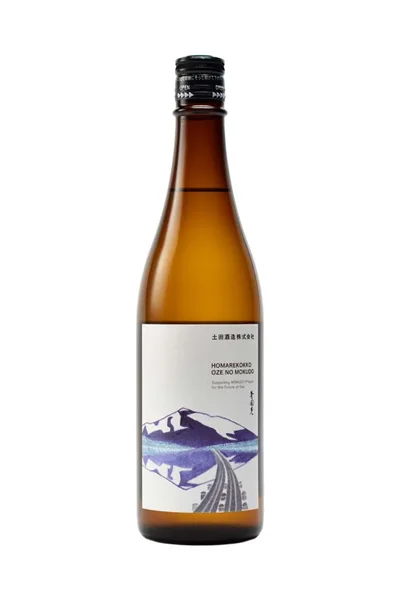
- Oze no Mokudo 2024-1尾瀬の木道2024-1
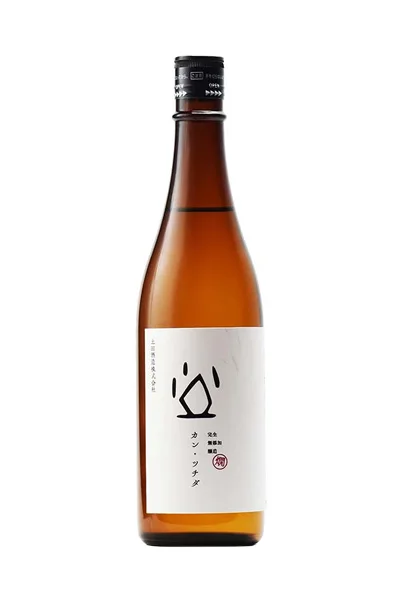
- Kan Tsuchidaカン・ツチダ
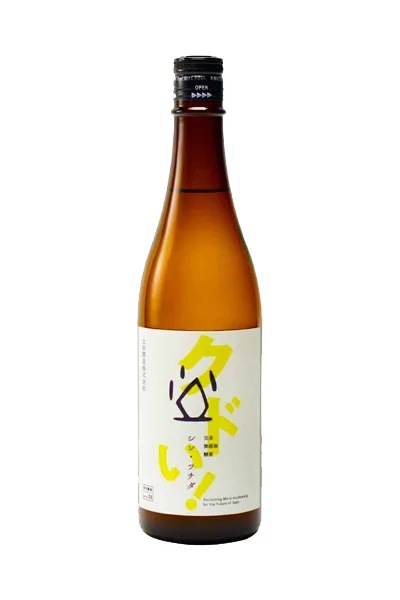
- Kudoi! Shin Tsuchida (Kenkyu Jozo data.32)クドい!シン・ツチダ(研究醸造 data.32)
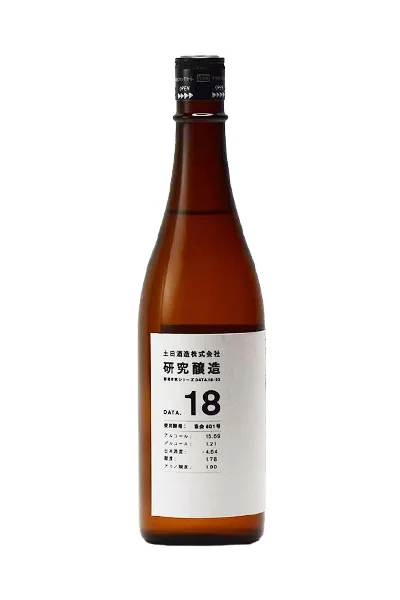
- Kenkyu Jozo 18研究醸造18
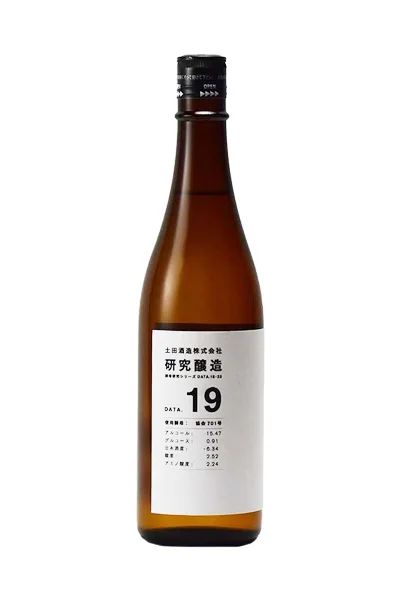
- Kenkyu Jozo 19研究醸造19
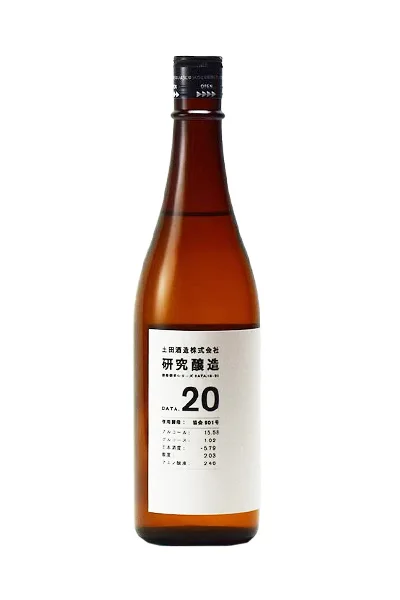
- Tsuchida Kenkyu Jozo 20研究醸造20
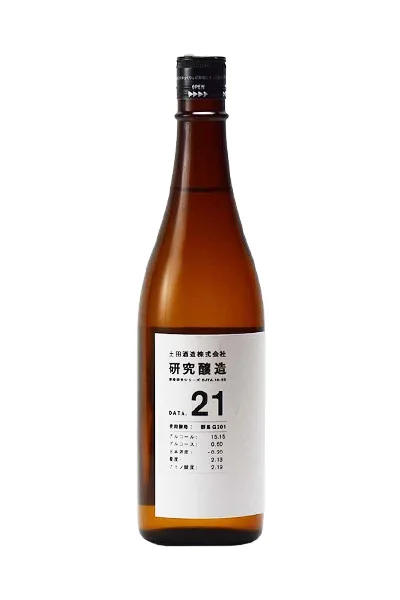
- Kenkyu Jozo 21研究醸造21
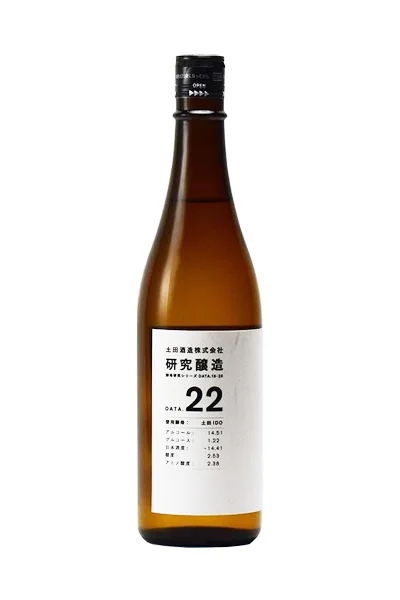
- Kenkyu Jozo 22研究醸造22
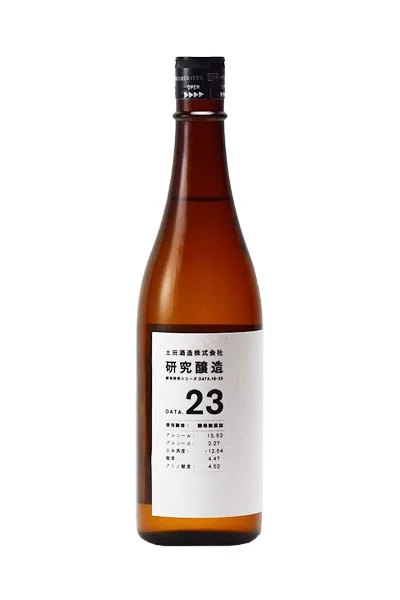
- Kenkyu Jozo 23研究醸造23
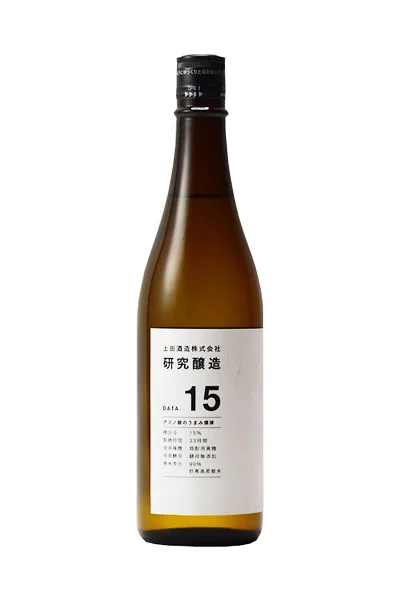
- Kenkyu Jozo Data15研究醸造 Data15
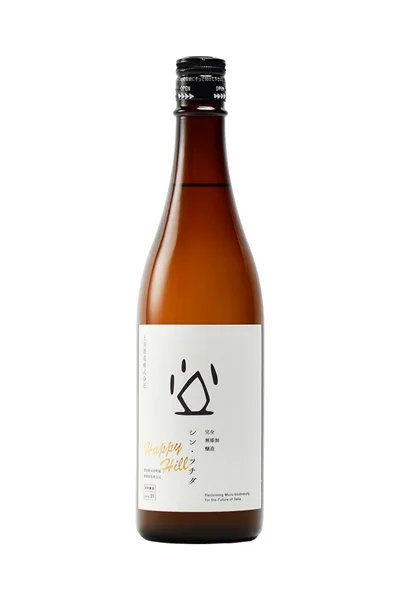
- Shin Tsuchida Happy Hill (Kenkyu Jozo Data31)シン・ツチダ ハッピーヒル (研究醸造Data31)