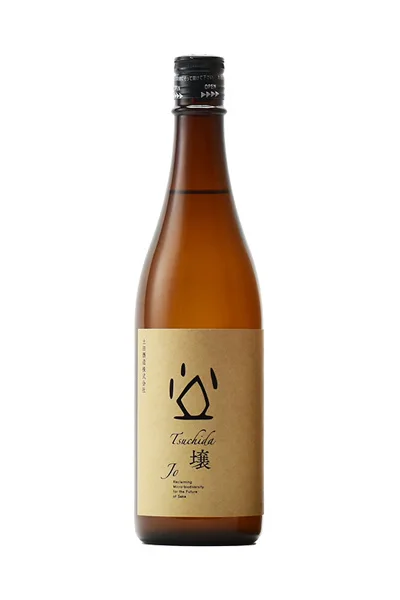
Tsuchida Jo
Tsuchida 壌Junmai, rice polished to 90%
Tsuchida — Tsuchida Shuzo, Gunma
A special gift sake brewed from naturally grown rice using traditional methods. A bottle that captures the pure, natural flavor of the land.
Specifications
- Type
- Junmai Shu
- Rice
- Not disclosed
- Rice polishing ratio
- 90%10% of each grain polished away
- Yeast
- Mutenka
- Alcohol
- 16%
- Sake meter value
- -15very sweet
- Acidity
- 3.9
How to read these
- Type
- The grade printed on the label. It depends on the ingredients (rice only, or with a little distilled alcohol) and on how far the rice is polished. More
- Rice
- The rice variety. Most premium sake uses varieties grown for brewing, such as Yamada Nishiki. More
- Rice polishing ratio
- How much of each grain is left after polishing. A lower number means more was milled away, which usually gives a lighter, more aromatic sake. More
- Yeast
- The yeast strain, which shapes the aroma. More
- Alcohol
- Alcohol by volume. Most sake is 15–16%; undiluted (genshu) sake is often 17–18%. More
- Sake meter value
- A sweet-to-dry scale. Plus is drier, minus is sweeter. Acidity changes how it tastes, so treat it as a rough guide. More
- Acidity
- Total acid. Higher tends to taste fuller and drier; lower tastes lighter and sweeter. More
Flavor profile Rich & umami
Rich & umami — rice-driven umami and a fuller body. Known in Japan as jun-shu (醇酒).
An SMV of -15 and acidity of 3.9 point to a sweet, full impression balanced by acidity, while 90% polishing and wild-microbe brewing keep the aroma restrained. The description of substantial flavor with a clean finish supports a rich, jun-type profile.
Estimated by AI from the published specifications and the brewery's description; your impression may differ.
About
This sake is made from Gunma-grown rice cultivated without pesticides or fertilizers. The rice is grown as naturally grown rice (shizen saibai mai), in an environment with no organic fertilizer added at all. When the rice was analyzed for its nutritional content, minerals such as zinc, heme iron, magnesium, and potassium were found at twice the usual levels. Rice this rich in nutrients should not be stripped away. We have therefore brewed this sake at a rice polishing ratio of 90% (removing only 10%), a method we are good at. Although this does not meet the standard for Junmai Daiginjo, we are confident that it is well suited as a gift. The reason is not that heavy polishing signals premium quality, but that we have kept this precious rice largely intact and let its flavor come through as it is. Our brewing is natural as well. As you may know, we use no additives that are exempt from label disclosure. We add no yeast, and brewing relies solely on the natural microorganisms that live in the brewery. Recipients have told us they were satisfied with the taste: it has a solid body yet finishes clean and is easy to drink. This product comes in a decorative gift box with a paper bag. The illustration on the box depicts the living organisms that have been part of the soil. It was drawn by a member of a disability organization with whom we are working on a project together. Rice raised in abundant nature. We sincerely hope that the more of this sake we brew, the more rich soil will grow. To leave such a rich environment to the next generation, we would be deeply grateful for your support.
Other sake from this brand 37
- GI Shin Tsuchida Yuki HotakaGI シン・ツチダ 雪ほたか
- GI Shin Tsuchida KoshihikariGI シン・ツチダ コシヒカリ
- Oze no Mokudo 2024-1尾瀬の木道2024-1
- Kan Tsuchidaカン・ツチダ
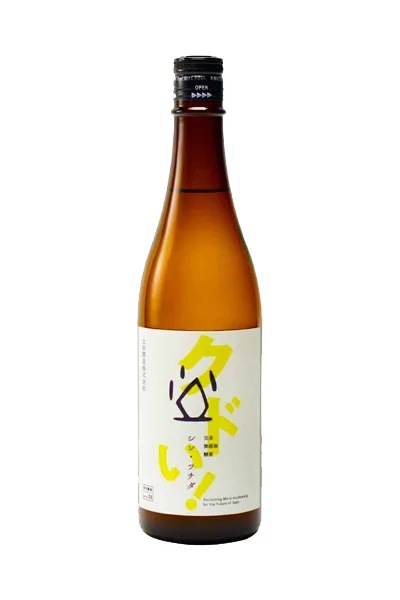
- Kudoi! Shin Tsuchida (Kenkyu Jozo data.32)クドい!シン・ツチダ(研究醸造 data.32)
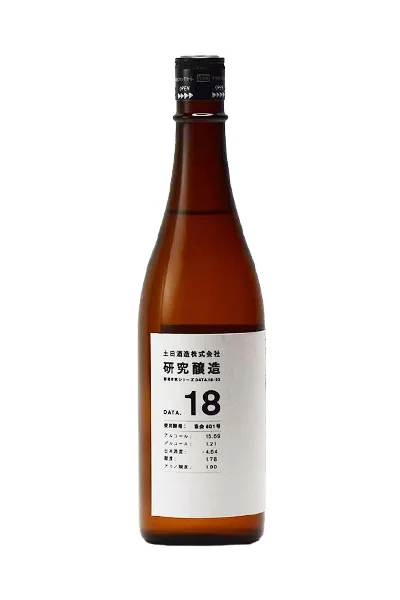
- Kenkyu Jozo 18研究醸造18
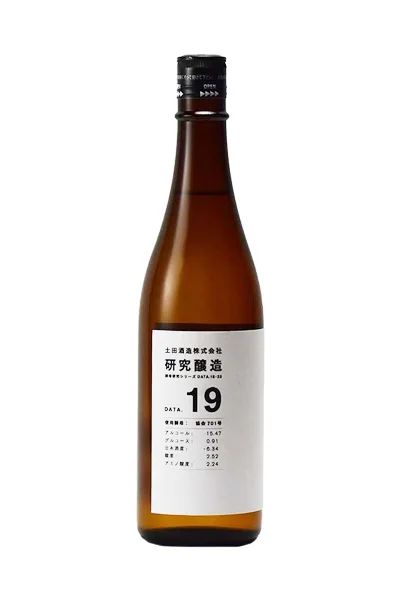
- Kenkyu Jozo 19研究醸造19
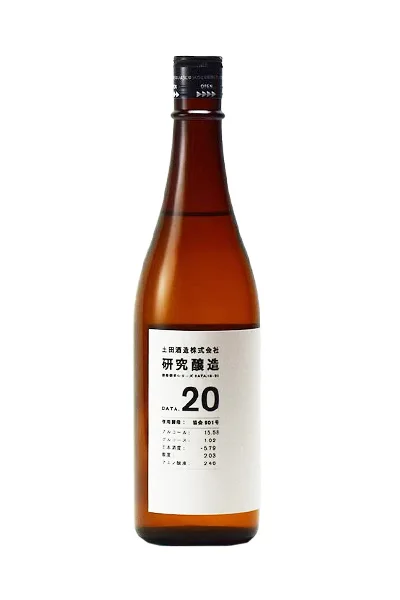
- Tsuchida Kenkyu Jozo 20研究醸造20
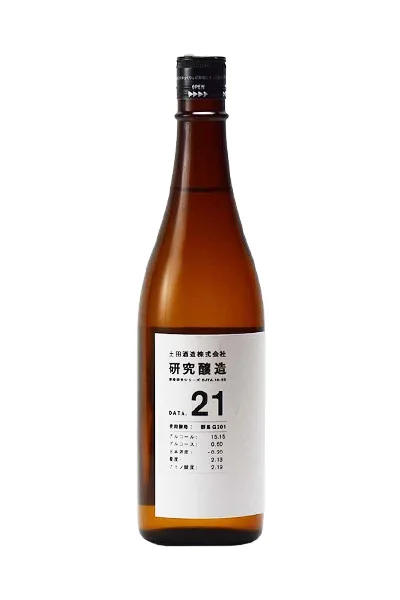
- Kenkyu Jozo 21研究醸造21
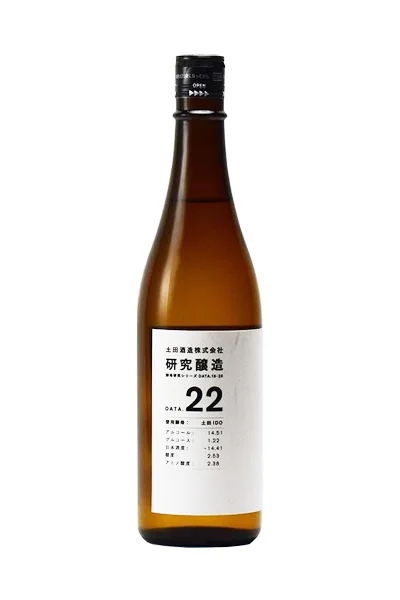
- Kenkyu Jozo 22研究醸造22
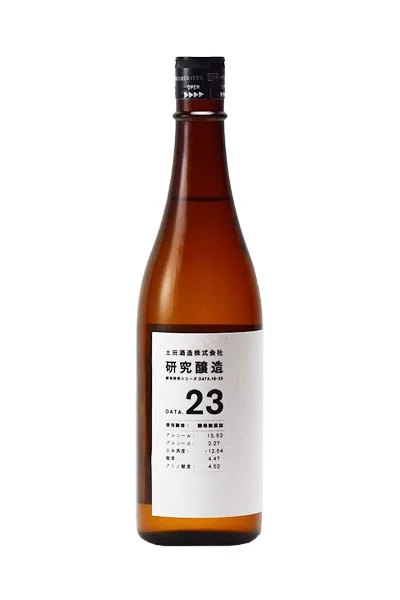
- Kenkyu Jozo 23研究醸造23
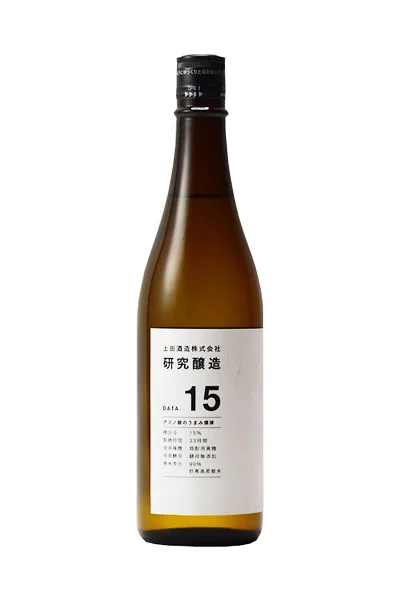
- Kenkyu Jozo Data15研究醸造 Data15