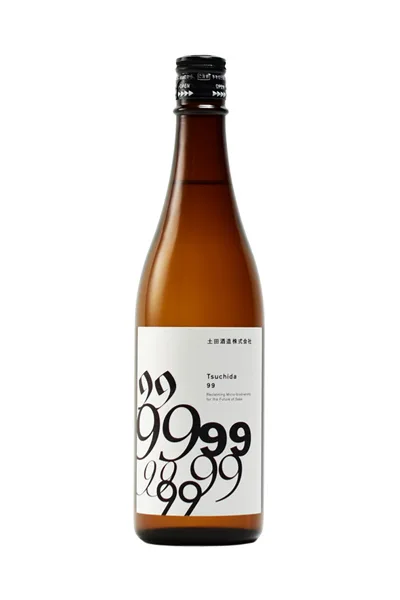
Tsuchida 99
Tsuchida 99Junmai, Asahi no Yume rice polished to 70%
Tsuchida — Tsuchida Shuzo, Gunma
A sake brewed with 99% koji
Specifications
- Type
- Junmai Shu
- Rice
- Asahi no Yume
- Rice polishing ratio
- 70%30% of each grain polished away
- Yeast
- Mutenka
- Alcohol
- 13%
- Sake meter value
- -48very sweet
- Acidity
- 4.4
How to read these
- Type
- The grade printed on the label. It depends on the ingredients (rice only, or with a little distilled alcohol) and on how far the rice is polished. More
- Rice
- The rice variety. Most premium sake uses varieties grown for brewing, such as Yamada Nishiki. More
- Rice polishing ratio
- How much of each grain is left after polishing. A lower number means more was milled away, which usually gives a lighter, more aromatic sake. More
- Yeast
- The yeast strain, which shapes the aroma. More
- Alcohol
- Alcohol by volume. Most sake is 15–16%; undiluted (genshu) sake is often 17–18%. More
- Sake meter value
- A sweet-to-dry scale. Plus is drier, minus is sweeter. Acidity changes how it tastes, so treat it as a rough guide. More
- Acidity
- Total acid. Higher tends to taste fuller and drier; lower tastes lighter and sweeter. More
Flavor profile Rich & umami
Rich & umami — rice-driven umami and a fuller body. Known in Japan as jun-shu (醇酒).
A 99% koji ratio, SMV of -48 and acidity of 4.4 point to a sweet, dense profile with restrained aroma led by koji umami. This places it in the jun (restrained, rich) quadrant.
Estimated by AI from the published specifications and the brewery's description; your impression may differ.
About
Tsuchida 99 is released every year on September 9 for the 99 Day (99の日). By now, there are probably few people who do not know it. Tsuchida 99 takes on the limit of sake itself, with a koji ratio (the proportion of koji rice among the raw materials) of 99%, the highest that can still be called sake. This year, in addition to the regular Tsuchida 99, we are also offering an ultra-unorthodox method and ultra-limited 99. We believe that tasting these together will let you appreciate even more the depth of koji. Koji, Japan's national fungus, has always been the most important element in sake brewing. Koji mold (Aspergillus oryzae) is a microorganism representative of Japan and has been certified as a national fungus. It is indispensable to fermented foods that form the core of Japan's traditional food culture: miso, soy sauce, vinegar, mirin, and sake. It is very familiar to the Japanese. In sake brewing, there is a saying: 'Koji first, shubo (yeast starter) second, moromi (fermentation mash) third.' It expresses that koji is the most important element in making sake. Of course every step matters, but koji also influences the later stages, such as the shubo and fermentation, and it is a crucial process in shaping the flavor and aroma of the sake. Koji is Japan's national fungus and the most important element in sake brewing. 99 uses this koji up to the limit at which a product can still be called sake. We believe it is a sake that expands the possibilities of sake, to the point that one may wonder, 'Can the amount of koji rice change the taste this much?!' The standard is 20%. 99 is 99%. It is not 100 because it is sake. Koji ratio refers to the proportion of koji rice used among the raw materials. A koji ratio of around 20% is typical, brewed with 20% koji rice and 80% white rice. Tsuchida 99, with a koji ratio of 99%, is brewed with 99% koji rice and 1% white rice. Why 99% and not 100%? Under the Liquor Tax Act, sake is defined as a liquor made by fermenting rice, koji rice, and water and then straining it. In other words, unless at least some white rice is used, the product cannot be called sake, and it can no longer be made under a sake brewing license. We chose 99% under the Liquor Tax Act. The number 99 also has a catchy ring to it, and today we are glad we settled on 99%.
Other sake from this brand 37
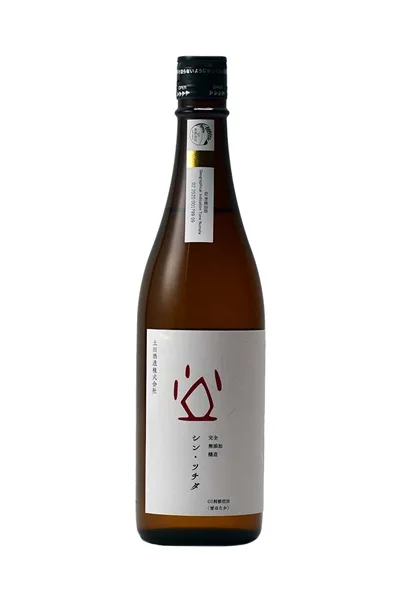
- GI Shin Tsuchida Yuki HotakaGI シン・ツチダ 雪ほたか
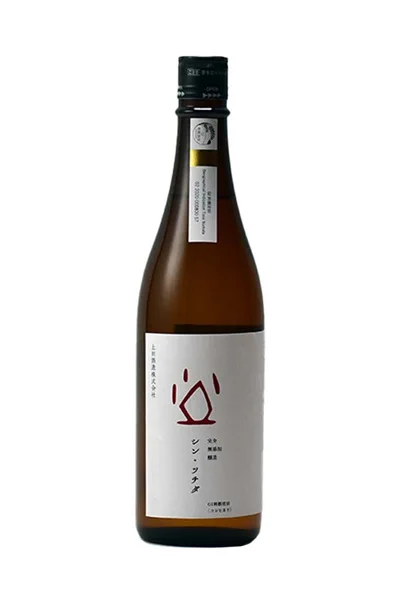
- GI Shin Tsuchida KoshihikariGI シン・ツチダ コシヒカリ
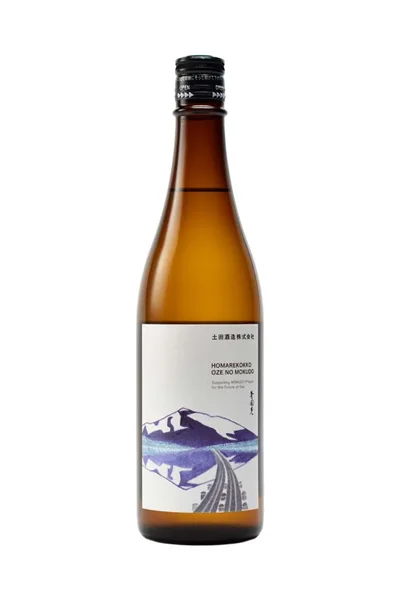
- Oze no Mokudo 2024-1尾瀬の木道2024-1
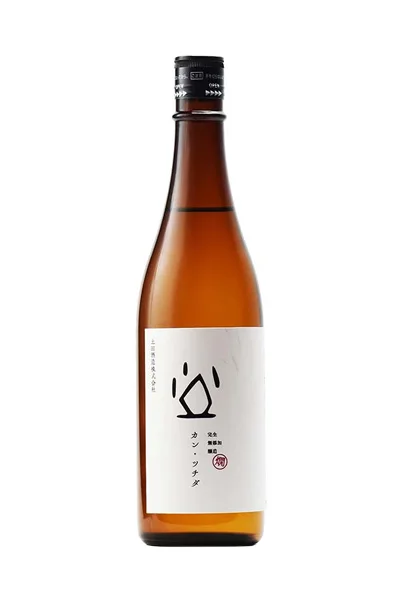
- Kan Tsuchidaカン・ツチダ
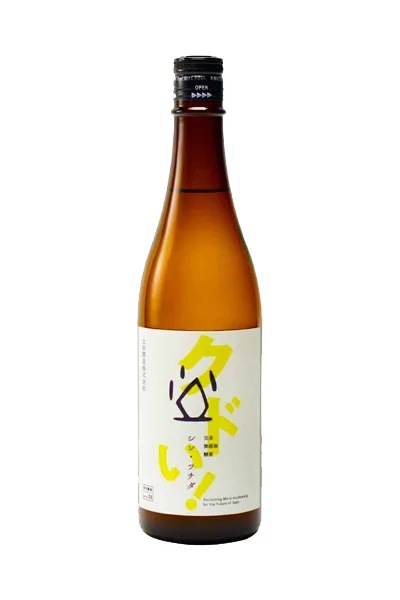
- Kudoi! Shin Tsuchida (Kenkyu Jozo data.32)クドい!シン・ツチダ(研究醸造 data.32)
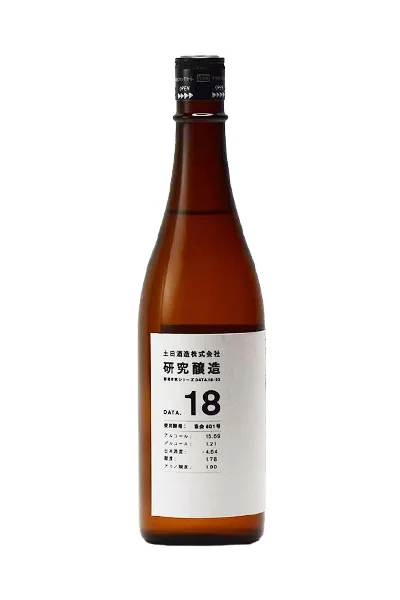
- Kenkyu Jozo 18研究醸造18
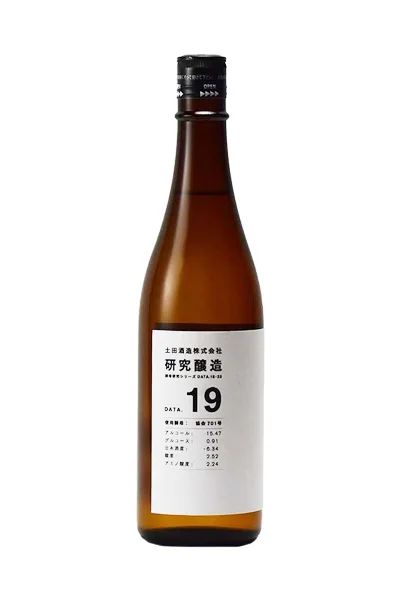
- Kenkyu Jozo 19研究醸造19
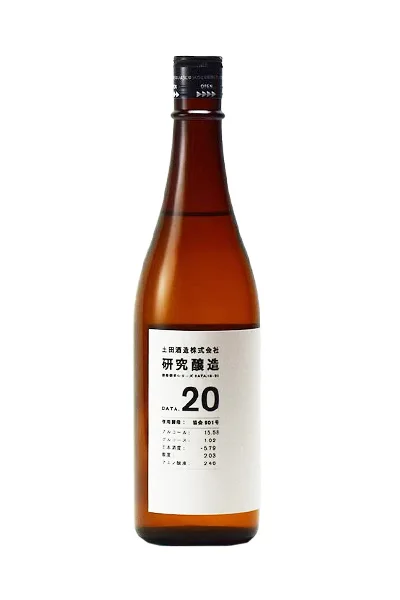
- Tsuchida Kenkyu Jozo 20研究醸造20
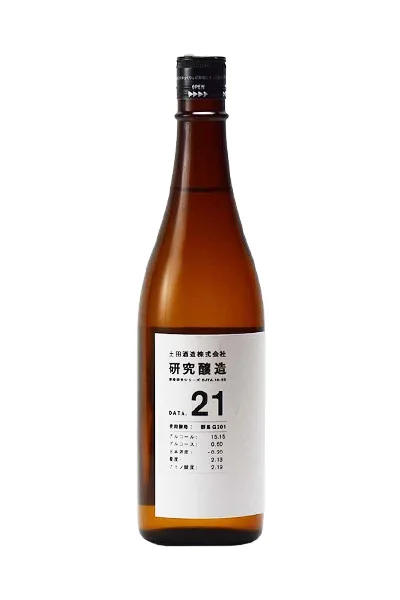
- Kenkyu Jozo 21研究醸造21
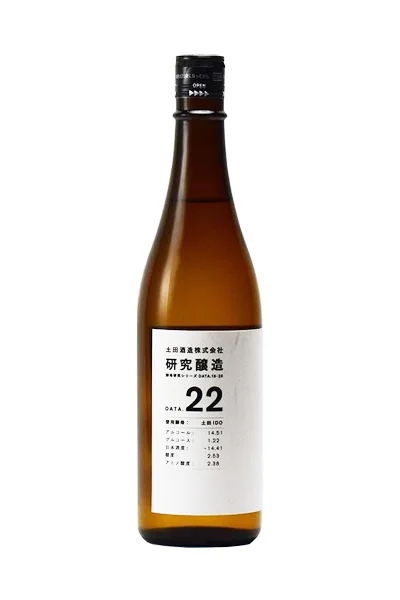
- Kenkyu Jozo 22研究醸造22
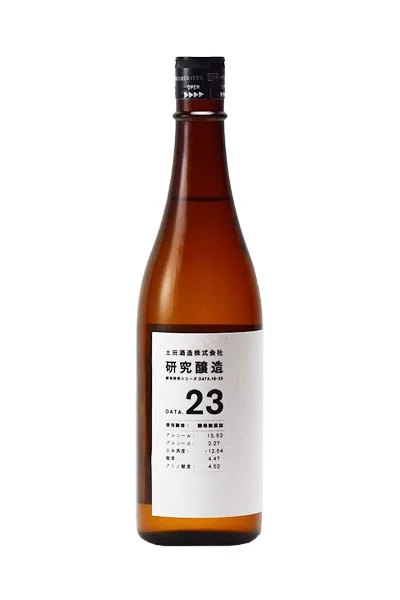
- Kenkyu Jozo 23研究醸造23
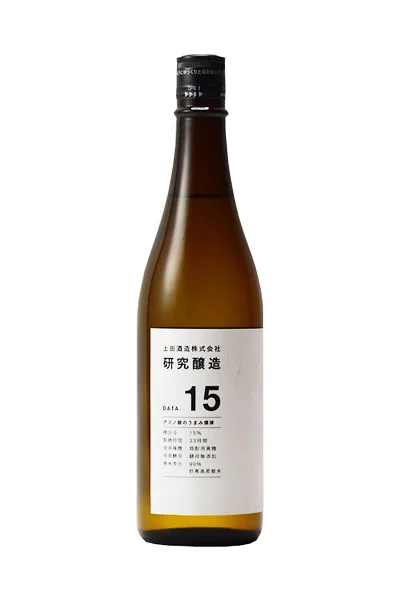
- Kenkyu Jozo Data15研究醸造 Data15