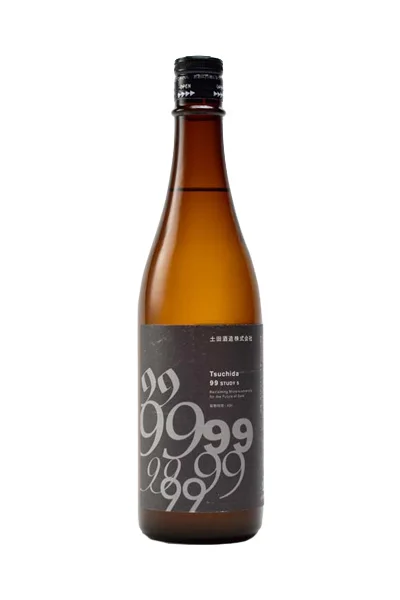
Tsuchida99 STUDY 5
Tsuchida99 STUDY 5Junmai, Asahi no Yume rice polished to 70%
Tsuchida — Tsuchida Shuzo, Gunma
A world first: taste how koji-making time shapes flavor Koji-making time: 49 hours
Specifications
- Type
- Junmai Shu
- Rice
- Asahi no Yume
- Rice polishing ratio
- 70%30% of each grain polished away
- Yeast
- Mutenka
- Alcohol
- 14.6%
- Sake meter value
- -67very sweet
- Acidity
- 4.2
How to read these
- Type
- The grade printed on the label. It depends on the ingredients (rice only, or with a little distilled alcohol) and on how far the rice is polished. More
- Rice
- The rice variety. Most premium sake uses varieties grown for brewing, such as Yamada Nishiki. More
- Rice polishing ratio
- How much of each grain is left after polishing. A lower number means more was milled away, which usually gives a lighter, more aromatic sake. More
- Yeast
- The yeast strain, which shapes the aroma. More
- Alcohol
- Alcohol by volume. Most sake is 15–16%; undiluted (genshu) sake is often 17–18%. More
- Sake meter value
- A sweet-to-dry scale. Plus is drier, minus is sweeter. Acidity changes how it tastes, so treat it as a rough guide. More
- Acidity
- Total acid. Higher tends to taste fuller and drier; lower tastes lighter and sweeter. More
Flavor profile Rich & umami
Rich & umami — rice-driven umami and a fuller body. Known in Japan as jun-shu (醇酒).
Junmai at 70% polishing with an SMV of -67 and acidity of 4.2 points to restrained aroma, a full body with acidity-driven richness, and a clearly sweet impression.
Estimated by AI from the published specifications and the brewery's description; your impression may differ.
About
Tsuchida99 is a sake that lets you experience how the amount of koji (malted rice) can greatly change the character of the sake. The focus is on the time spent making the koji, known as seikiku jikan (koji-making time). This sake has a koji-making time of 49 hours. You may wonder whether a difference in koji-making time really changes the taste. But this sake is one that has never appeared even in textbooks, and it may become an important element for sake. We hope you will be present for this moment as a new page of history is opened.
Other sake from this brand 37
- GI Shin Tsuchida Yuki HotakaGI シン・ツチダ 雪ほたか
- GI Shin Tsuchida KoshihikariGI シン・ツチダ コシヒカリ
- Oze no Mokudo 2024-1尾瀬の木道2024-1
- Kan Tsuchidaカン・ツチダ
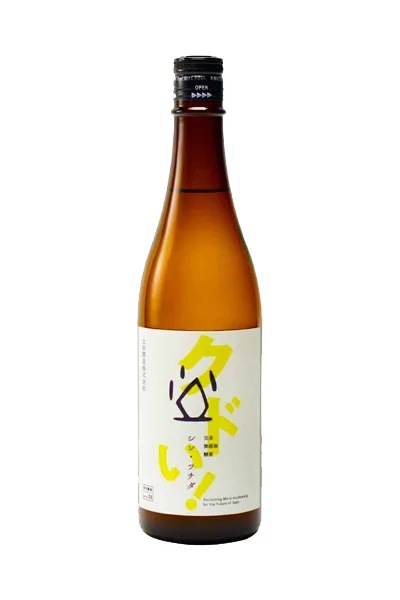
- Kudoi! Shin Tsuchida (Kenkyu Jozo data.32)クドい!シン・ツチダ(研究醸造 data.32)
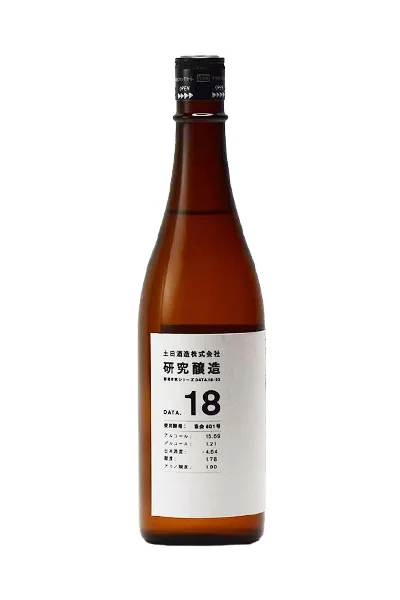
- Kenkyu Jozo 18研究醸造18
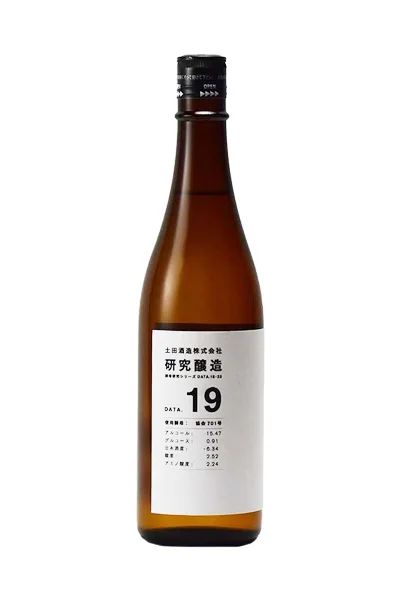
- Kenkyu Jozo 19研究醸造19
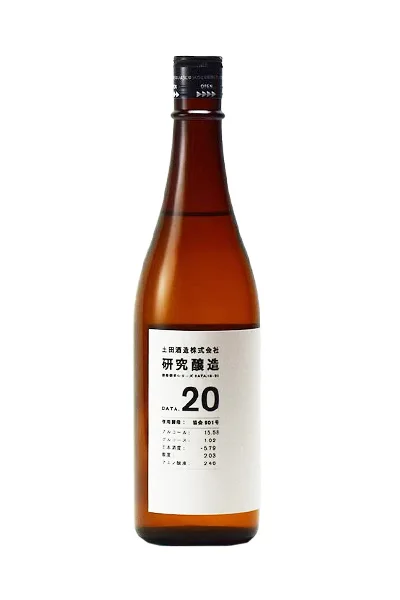
- Tsuchida Kenkyu Jozo 20研究醸造20
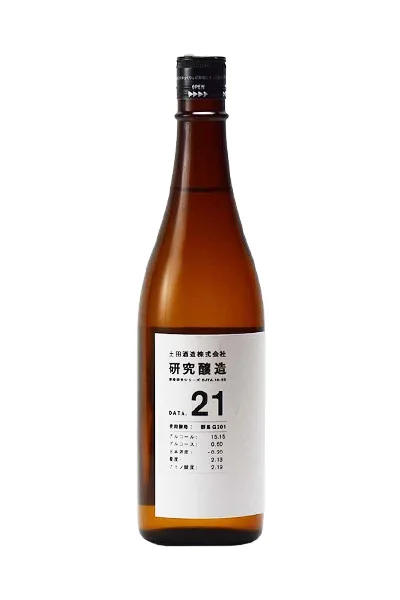
- Kenkyu Jozo 21研究醸造21
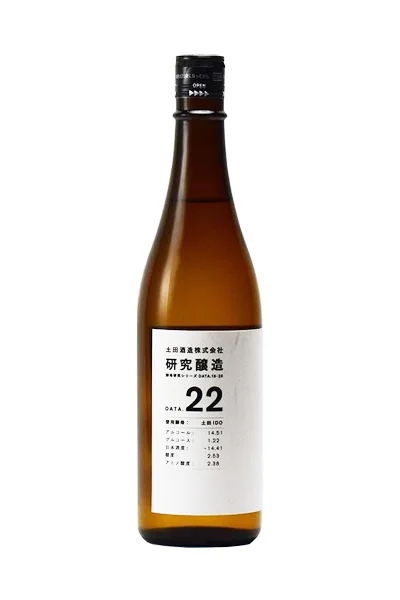
- Kenkyu Jozo 22研究醸造22
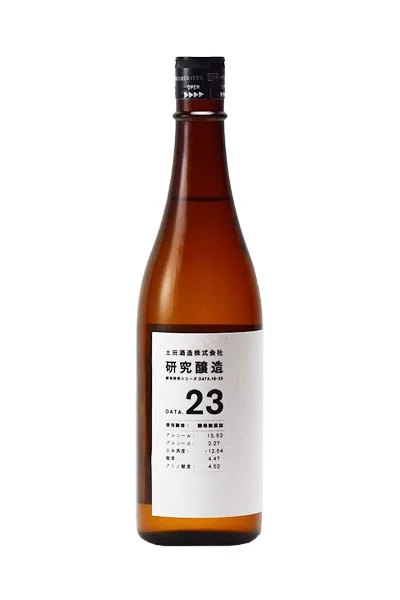
- Kenkyu Jozo 23研究醸造23
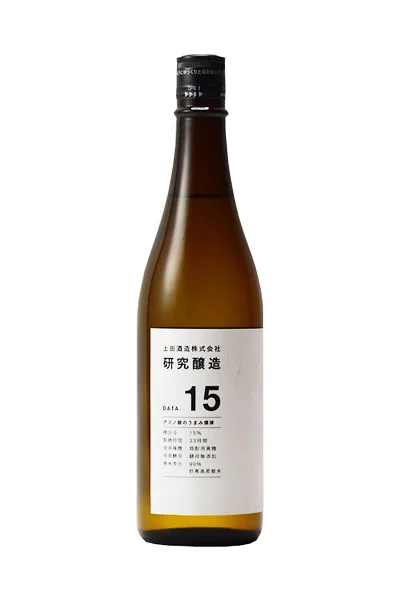
- Kenkyu Jozo Data15研究醸造 Data15