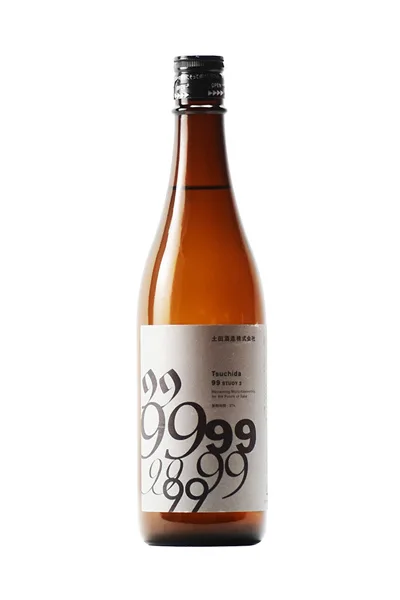
Tsuchida99 STUDY 2
Tsuchida99 STUDY 2Junmai, Asahi no Yume rice polished to 70%
Tsuchida — Tsuchida Shuzo, Gunma
A world first: learn how koji-making time shapes flavor. Koji-making time: 37 hours
Specifications
- Type
- Junmai Shu
- Rice
- Asahi no Yume
- Rice polishing ratio
- 70%30% of each grain polished away
- Yeast
- Mutenka
- Alcohol
- 13.6%
- Sake meter value
- -48very sweet
- Acidity
- 4.6
How to read these
- Type
- The grade printed on the label. It depends on the ingredients (rice only, or with a little distilled alcohol) and on how far the rice is polished. More
- Rice
- The rice variety. Most premium sake uses varieties grown for brewing, such as Yamada Nishiki. More
- Rice polishing ratio
- How much of each grain is left after polishing. A lower number means more was milled away, which usually gives a lighter, more aromatic sake. More
- Yeast
- The yeast strain, which shapes the aroma. More
- Alcohol
- Alcohol by volume. Most sake is 15–16%; undiluted (genshu) sake is often 17–18%. More
- Sake meter value
- A sweet-to-dry scale. Plus is drier, minus is sweeter. Acidity changes how it tastes, so treat it as a rough guide. More
- Acidity
- Total acid. Higher tends to taste fuller and drier; lower tastes lighter and sweeter. More
Flavor profile Rich & umami
Rich & umami — rice-driven umami and a fuller body. Known in Japan as jun-shu (醇酒).
The very negative SMV of -48 and high acidity of 4.6 point to a strongly sweet, full-bodied profile with a noticeable acid backbone. As a junmai at 70% polishing, aroma stays restrained and rice-led.
Estimated by AI from the published specifications and the brewery's description; your impression may differ.
About
Tsuchida99 is a sake that lets you experience how the amount of koji changes the flavor of the sake. The focus of this sake is the koji-making time, known as seikiku jikan (製麹時間). This bottling uses a koji-making time of 37 hours. You may wonder whether a difference in koji-making time can really change the taste. However, this sake is built around a factor that is important to sake yet has never appeared in textbooks until now. We hope you will be there at the moment a new page of history is opened.
Other sake from this brand 37
- GI Shin Tsuchida Yuki HotakaGI シン・ツチダ 雪ほたか
- GI Shin Tsuchida KoshihikariGI シン・ツチダ コシヒカリ
- Oze no Mokudo 2024-1尾瀬の木道2024-1
- Kan Tsuchidaカン・ツチダ
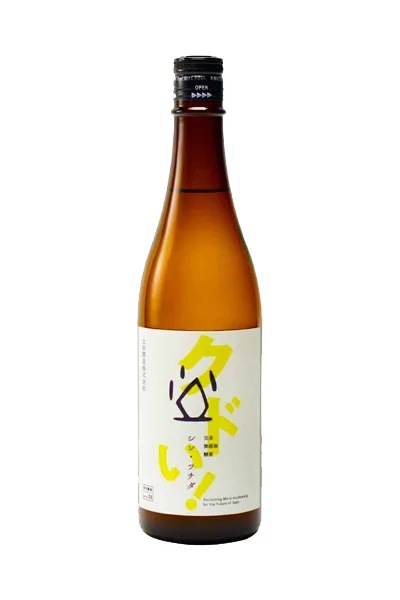
- Kudoi! Shin Tsuchida (Kenkyu Jozo data.32)クドい!シン・ツチダ(研究醸造 data.32)
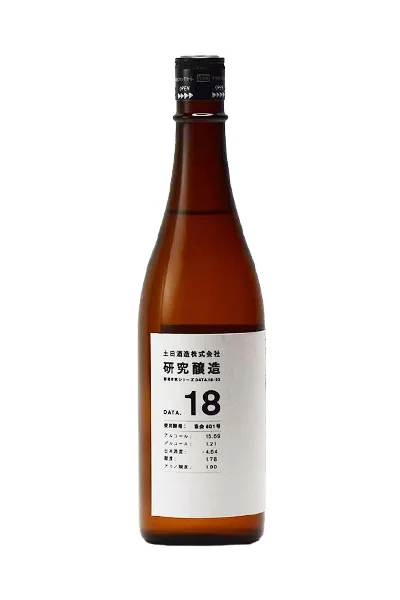
- Kenkyu Jozo 18研究醸造18
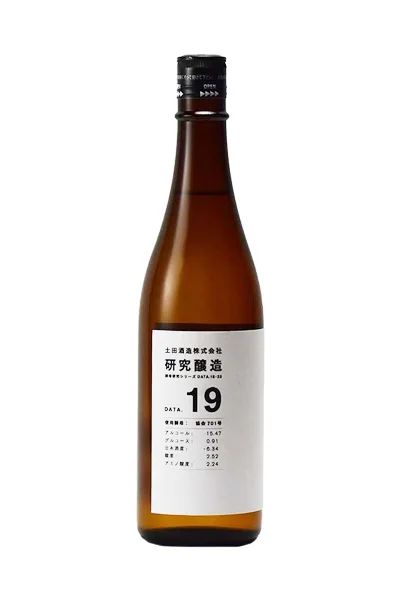
- Kenkyu Jozo 19研究醸造19
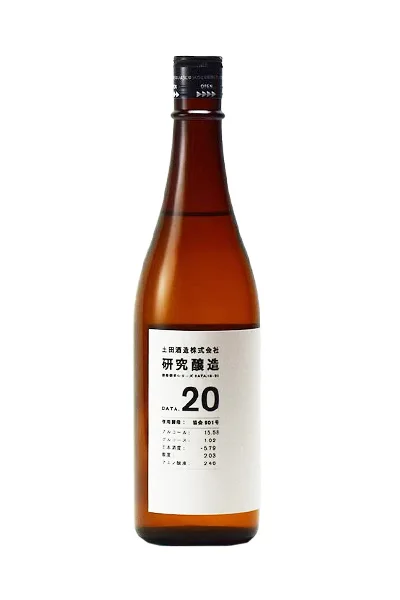
- Tsuchida Kenkyu Jozo 20研究醸造20
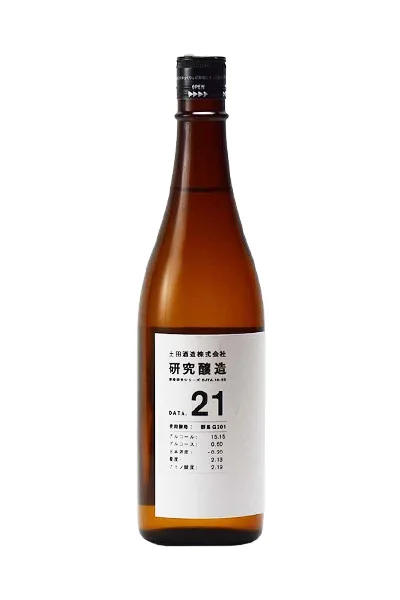
- Kenkyu Jozo 21研究醸造21
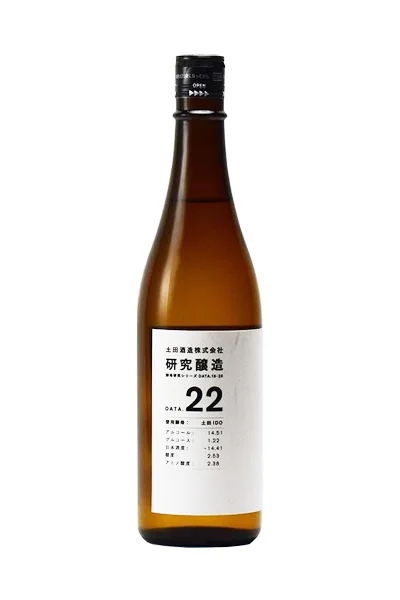
- Kenkyu Jozo 22研究醸造22
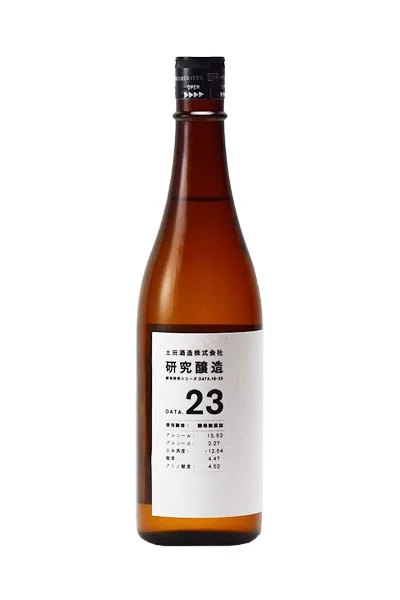
- Kenkyu Jozo 23研究醸造23
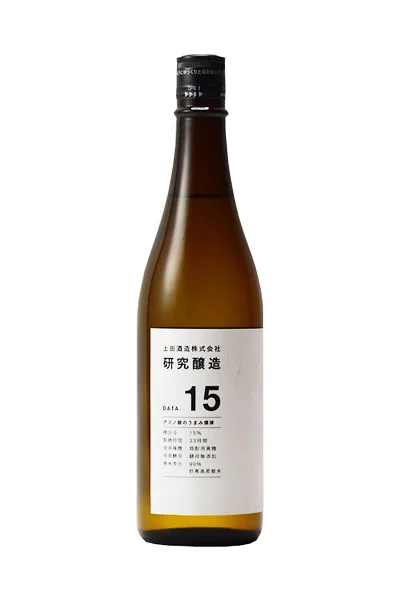
- Kenkyu Jozo Data15研究醸造 Data15