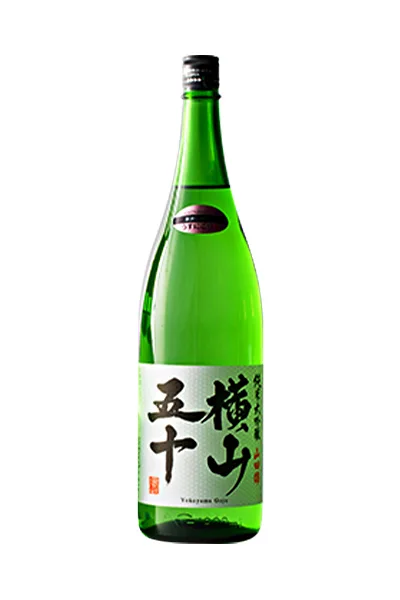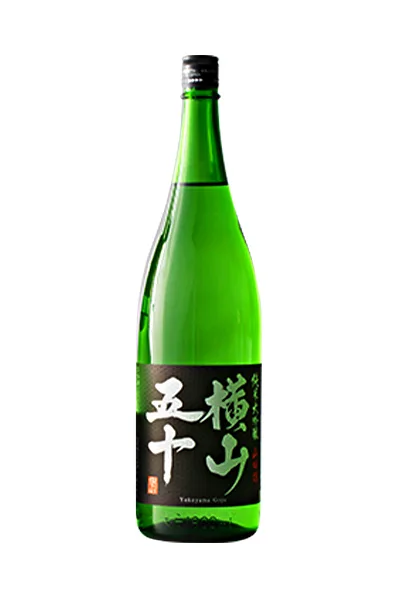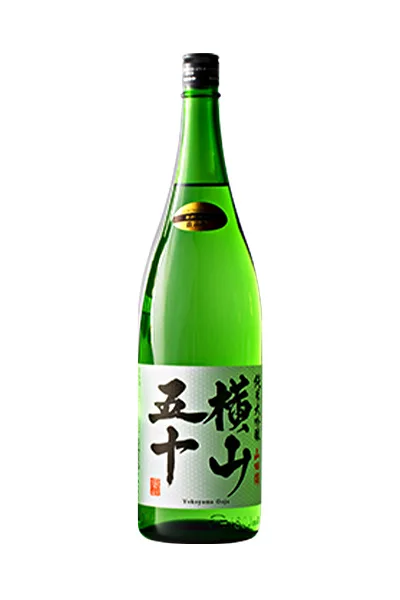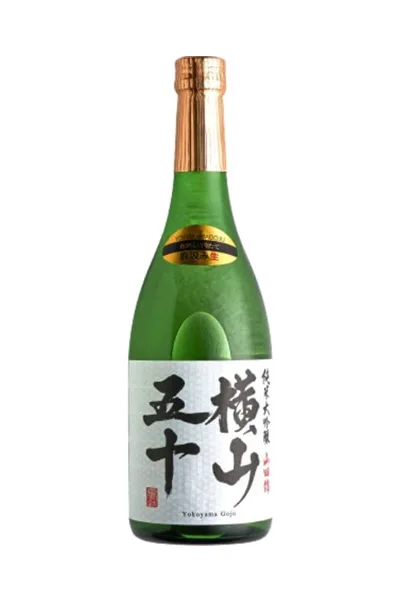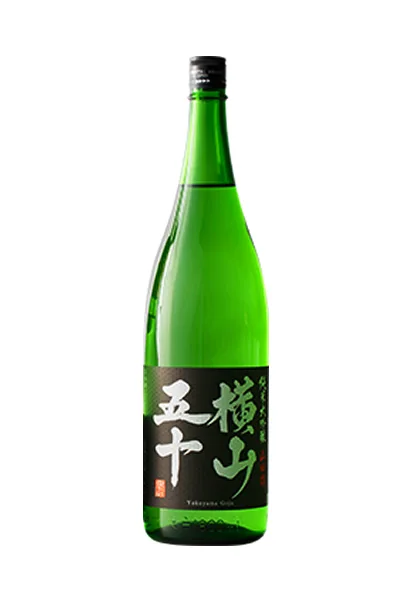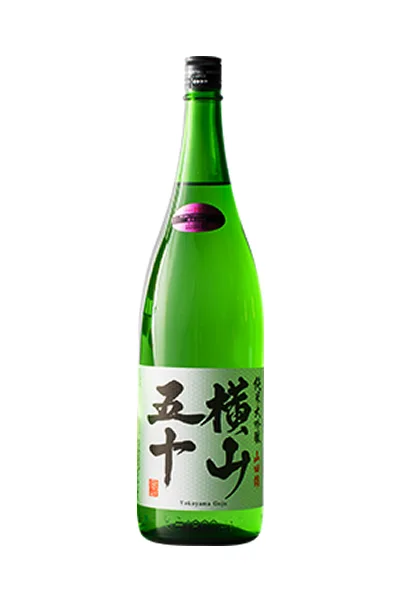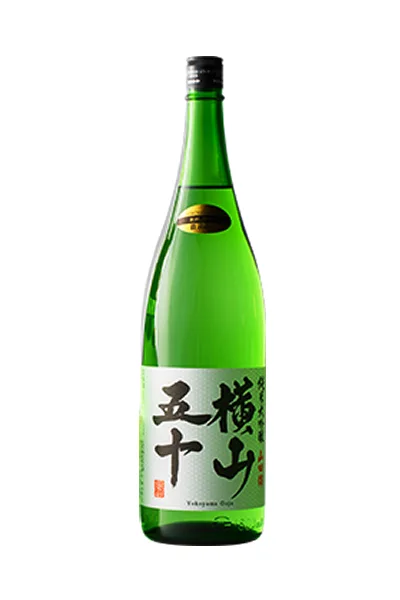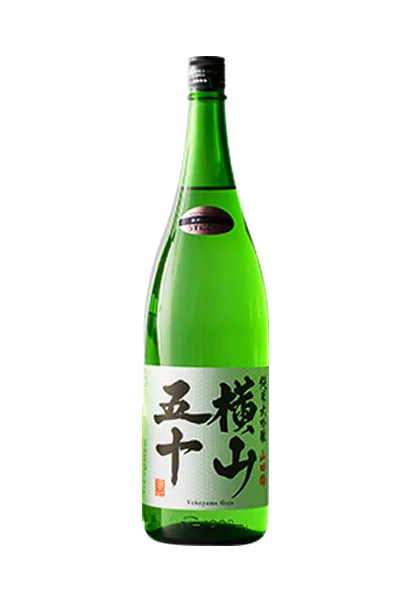
Yokoyama Goju WHITE Usunigori Nama
横山五十WHITE うすにごり生Junmai daiginjo, Yamada Nishiki rice polished to 50%, unpasteurized (nama), lightly cloudy (origarami)
Yokoyama Goju — Omoya Shuzo, Nagasaki
Muscat aromas open onto a juicy sweetness, like biting into fresh fruit, even more so than in a pasteurized sake.
Specifications
- Type
- Junmai Daiginjo
- Rice
- Yamada Nishiki
- Rice polishing ratio
- 50%50% of each grain polished away
- Yeast
- Not disclosed
- Alcohol
- 16%
- Sake meter value
- +0medium
How to read these
- Type
- The grade printed on the label. It depends on the ingredients (rice only, or with a little distilled alcohol) and on how far the rice is polished. More
- Rice
- The rice variety. Most premium sake uses varieties grown for brewing, such as Yamada Nishiki. More
- Rice polishing ratio
- How much of each grain is left after polishing. A lower number means more was milled away, which usually gives a lighter, more aromatic sake. More
- Yeast
- The yeast strain, which shapes the aroma. More
- Alcohol
- Alcohol by volume. Most sake is 15–16%; undiluted (genshu) sake is often 17–18%. More
- Sake meter value
- A sweet-to-dry scale. Plus is drier, minus is sweeter. Acidity changes how it tastes, so treat it as a rough guide. More
Flavor profile Aromatic & light
Aromatic & light — fruity, floral aroma with a light body. Known in Japan as kun-shu (薫酒).
The description of muscat aroma and juicy fruit-like sweetness, together with the junmai daiginjo style, 50% polishing and nigori nama character, points to high aroma, light-to-medium body and clear sweetness.
Estimated by AI from the published specifications and the brewery's description; your impression may differ.
About
Type: Junmai Daiginjo Ingredients: Domestic rice, rice koji (domestic rice) Rice variety: Yamada Nishiki 100% Rice polishing ratio: 50% for kake rice (rice for the main mash) and 50% for koji rice Alcohol content: 16% Yeast, sake meter value, acidity, and amino acid level: Not disclosed Storage: Refrigeration required (5°C or below) Volume: 1,800 ml / 720 ml. Namazake (unpasteurized). The aroma is of muscat grapes. On the palate, a juicy sweetness spreads, like biting into fresh fruit, more vividly than in pasteurized versions. Enjoy it chilled in a wine glass. Release period: March, April, and May Pairs well with: White fish carpaccio, salmon meunière, and cream cheese dip
Other sake from this brand 7
- Yokoyama Goju Junmai Daiginjo Yamada Nishiki Usunigori Nama横山五十 純米大吟醸 山田錦 うすにごり 生
- Yokoyama Goju Junmai Daiginjo Yamada Nishiki Kuro Label横山五十 純米大吟醸 山田錦 黒ラベル
- Yokoyama Goju Junmai Daiginjo Yamada Nishiki Jikagumi Nama横山五十 純米大吟醸 山田錦 直汲み 生
- Yokoyama Goju Junmai Daiginjo Shiro Label Jikagumi Nama横山五十 純米大吟醸 白ラベル 直汲み生
- Yokoyama Goju BLACK横山五十BLACK
- Yokoyama Goju WHITE横山五十WHITE
- Yokoyama Goju WHITE Jikagumi Nama横山五十WHITE 直汲み生