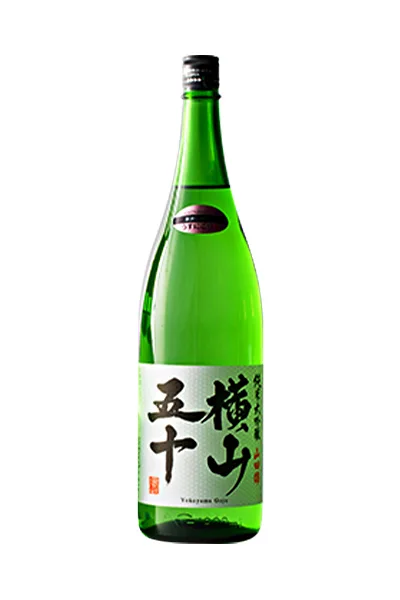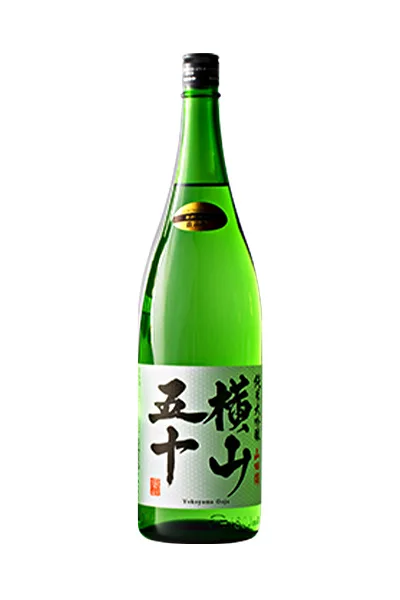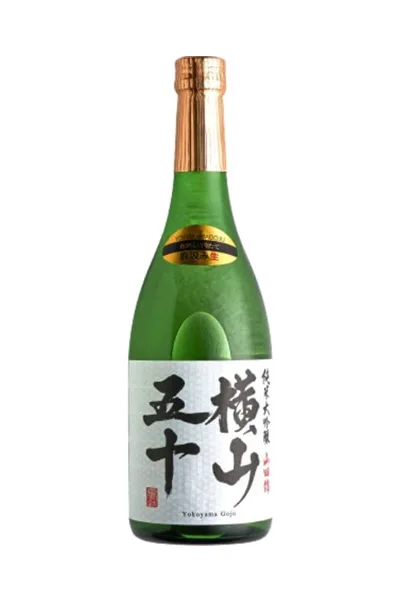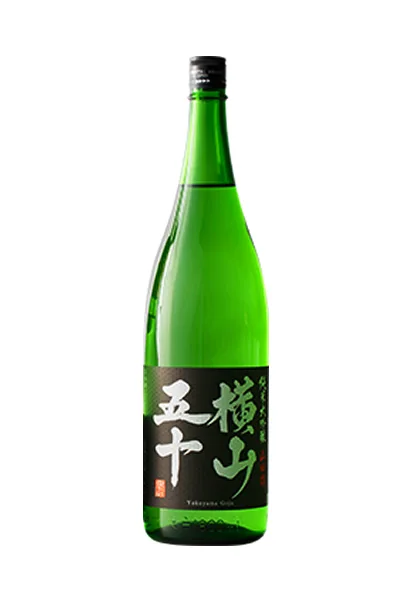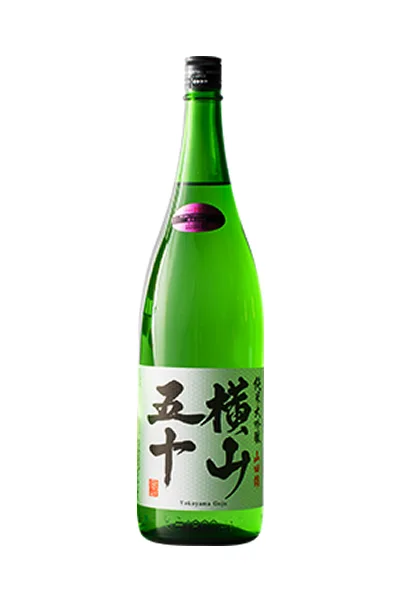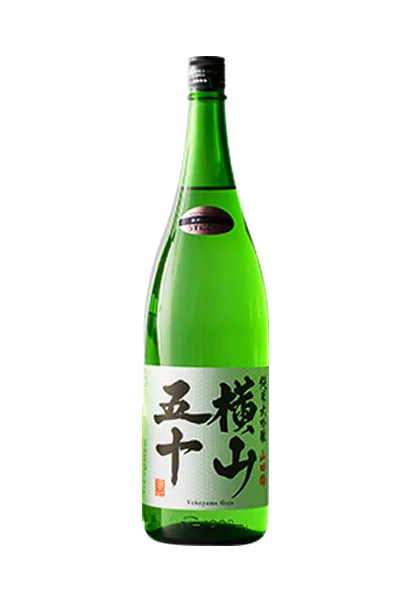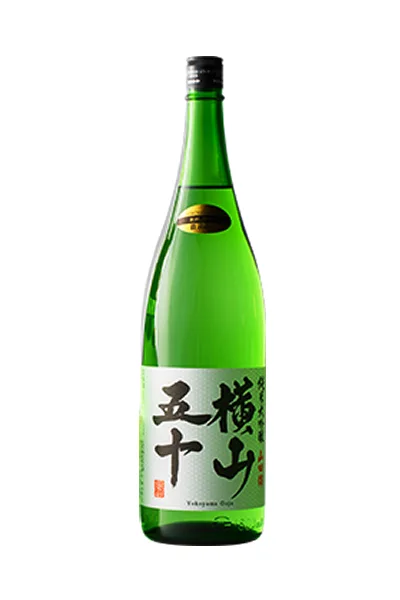
Yokoyama Goju WHITE Jikagumi Nama
横山五十WHITE 直汲み生Junmai daiginjo, Yamada Nishiki rice polished to 50%, bottled straight from the press (jikagumi), unpasteurized (nama)
Yokoyama Goju — Omoya Shuzo, Nagasaki
Muscat aroma with the fresh vitality of a raw sake, and on the palate, a juicy sweetness like biting into ripe fruit.
Specifications
- Type
- Junmai Daiginjo
- Rice
- Yamada Nishiki
- Rice polishing ratio
- 50%50% of each grain polished away
- Yeast
- Not disclosed
- Alcohol
- 16%
- Sake meter value
- +0medium
How to read these
- Type
- The grade printed on the label. It depends on the ingredients (rice only, or with a little distilled alcohol) and on how far the rice is polished. More
- Rice
- The rice variety. Most premium sake uses varieties grown for brewing, such as Yamada Nishiki. More
- Rice polishing ratio
- How much of each grain is left after polishing. A lower number means more was milled away, which usually gives a lighter, more aromatic sake. More
- Yeast
- The yeast strain, which shapes the aroma. More
- Alcohol
- Alcohol by volume. Most sake is 15–16%; undiluted (genshu) sake is often 17–18%. More
- Sake meter value
- A sweet-to-dry scale. Plus is drier, minus is sweeter. Acidity changes how it tastes, so treat it as a rough guide. More
Flavor profile Aromatic & light
Aromatic & light — fruity, floral aroma with a light body. Known in Japan as kun-shu (薫酒).
Muscat and pear-like aromatics are emphasized, consistent with a 50% polished junmai daiginjo at 16% alcohol. The juicy sweetness and fresh nama character point to an aromatic, light profile in the kun quadrant.
Estimated by AI from the published specifications and the brewery's description; your impression may differ.
About
Type: Junmai Daiginjo Ingredients: Rice (domestic), rice koji (domestic rice) Rice used: Yamada Nishiki 100% Rice polishing ratio: Kake-mai (rice added to the moromi) 50%, koji rice 50% Alcohol content: 16% Yeast / sake meter value (SMV) / acidity / amino acid level: Not disclosed Storage: Refrigerate (5°C or below) Volume: 1,800 ml / 720 ml, namazake (unpasteurized) This junmai daiginjo sake, named after master brewer (toji) Yokoyama, embodies the spirit of Iki Island. The “White” offers a refreshing, cool, and lively aroma reminiscent of muscat and Western pear. The floral character of the aroma stands out so vividly that it would hold its own on fragrance alone. Served slightly chilled in a wine glass, it is also a very good match. Release season: December, January, February Pairs well with: White fish carpaccio / salmon meunière / cream cheese dip
Other sake from this brand 7
- Yokoyama Goju Junmai Daiginjo Yamada Nishiki Usunigori Nama横山五十 純米大吟醸 山田錦 うすにごり 生
- Yokoyama Goju Junmai Daiginjo Yamada Nishiki Kuro Label横山五十 純米大吟醸 山田錦 黒ラベル
- Yokoyama Goju Junmai Daiginjo Yamada Nishiki Jikagumi Nama横山五十 純米大吟醸 山田錦 直汲み 生
- Yokoyama Goju Junmai Daiginjo Shiro Label Jikagumi Nama横山五十 純米大吟醸 白ラベル 直汲み生
- Yokoyama Goju BLACK横山五十BLACK
- Yokoyama Goju WHITE横山五十WHITE
- Yokoyama Goju WHITE Usunigori Nama横山五十WHITE うすにごり生