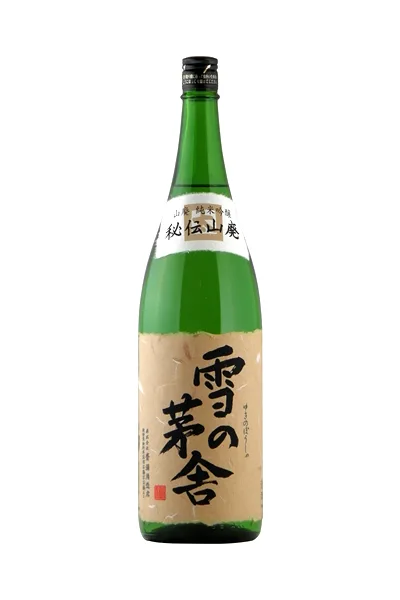
Yuki no Bosha Hiden Yamahai Junmai Ginjo
雪の茅舎 秘伝山廃 山廃純米吟醸Junmai ginjo, Yamada Nishiki rice polished to 55%, yamahai starter
Yuki no Bosha — Saiya Shuzoten, Akita
Yamahai brewing brings a vivid aroma and a distinctively fine, silky flavor.
Specifications
- Type
- Junmai Ginjo
- Rice
- Yamada Nishiki
- Rice polishing ratio
- 55%45% of each grain polished away
- Yeast
- Unknown
- Alcohol
- 16–17%
- Sake meter value
- +1medium
- Acidity
- 1.8
How to read these
- Type
- The grade printed on the label. It depends on the ingredients (rice only, or with a little distilled alcohol) and on how far the rice is polished. More
- Rice
- The rice variety. Most premium sake uses varieties grown for brewing, such as Yamada Nishiki. More
- Rice polishing ratio
- How much of each grain is left after polishing. A lower number means more was milled away, which usually gives a lighter, more aromatic sake. More
- Yeast
- The yeast strain, which shapes the aroma. More
- Alcohol
- Alcohol by volume. Most sake is 15–16%; undiluted (genshu) sake is often 17–18%. More
- Sake meter value
- A sweet-to-dry scale. Plus is drier, minus is sweeter. Acidity changes how it tastes, so treat it as a rough guide. More
- Acidity
- Total acid. Higher tends to taste fuller and drier; lower tastes lighter and sweeter. More
Flavor profile Full & complex
Full & complex — aromatic and full-bodied, including aged sake. Known in Japan as juku-shu (熟酒).
Yamahai brewing and acidity of 1.8 add body and umami, while the described floral aroma and 55% polishing point to an aromatic, rich style. SMV +1 and the mention of sweet notes suggest moderate sweetness.
Estimated by AI from the published specifications and the brewery's description; your impression may differ.
About
The aroma is sharp, sweet, and floral. Yamahai (a traditional yeast-starter method) brewing adds depth, so the flavor is soft and the umami spreads gently. Even after aging, the floral character remains, and it is equally enjoyable warmed to lukewarm (nurukan).
Other sake from this brand 11
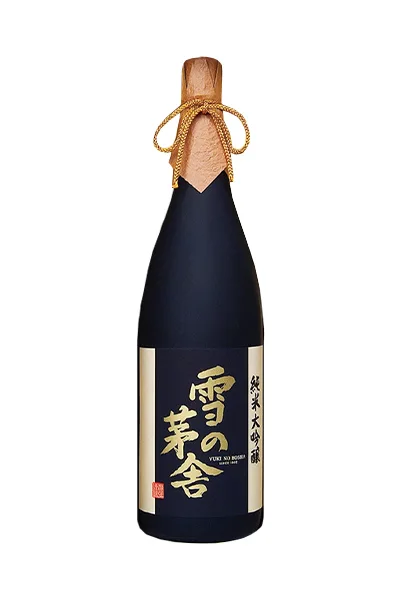
- Yuki no Bosha Junmai Daiginjo雪の茅舎 純米大吟醸
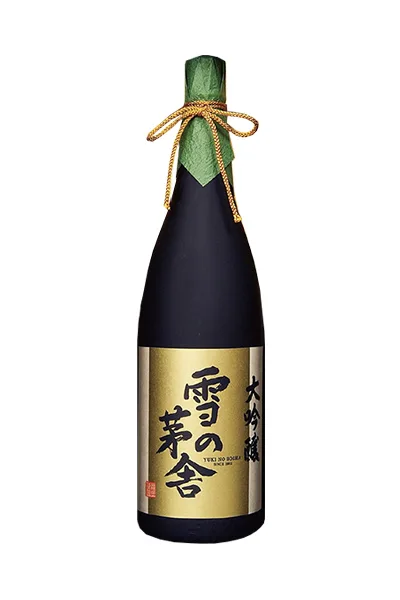
- Yuki no Bosha Daiginjo雪の茅舎 大吟醸
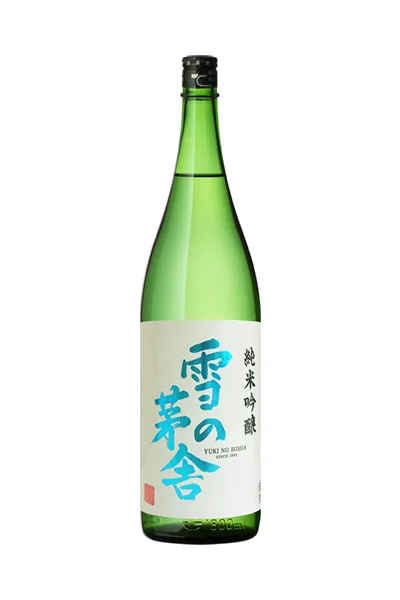
- Yuki no Bosha Junmai Ginjo雪の茅舎 純米吟醸
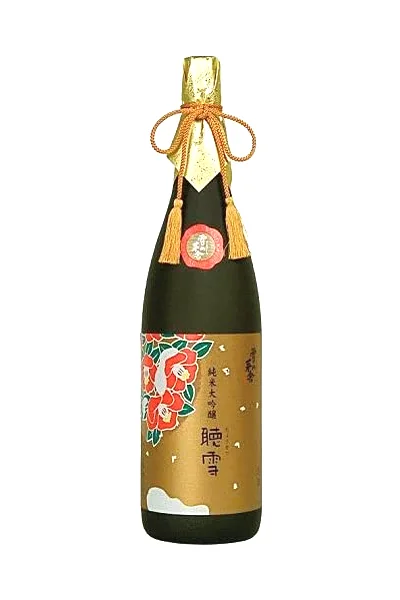
- Yuki no Bosha Junmai Daiginjo Chosetsu雪の茅舎 純米大吟醸 聴雪
- Yuki no Bosha Daiginjo Genshu雪の茅舎 大吟醸 原酒
- Yuki no Bosha Junmai Ginjo Aiyama雪の茅舎 純米吟醸 愛山
- Yuki no Bosha Bishu no Sekkei雪の茅舎 美酒の設計
- Yuki no Bosha Junmai Daiginjo Tobin Nakadori雪の茅舎 純米大吟醸 斗瓶中取り
- Yuki no Bosha Junmai Daiginjo Genshu雪の茅舎 純米大吟醸 原酒
- Yuki no Bosha Gentei Kuradashi Junmai Ginjo雪の茅舎 限定蔵出 純米吟醸
- Yuki no Bosha Muitsu雪の茅舎 無逸