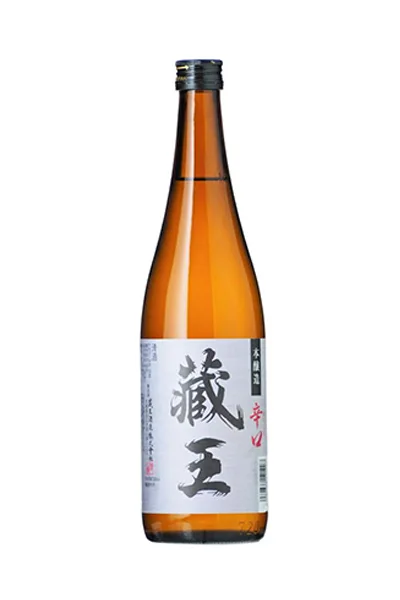
Zao Honjozo Dry
蔵王 本醸造 辛口Honjozo, rice polished to 65%, dry
Zao — Zao Sake Brewery, Miyagi
The driest sake from Zao Sake Brewery.
Specifications
- Type
- Honjozo
- Rice
- Not disclosed
- Rice polishing ratio
- 65%35% of each grain polished away
- Yeast
- Not disclosed
- Alcohol
- 15%
- Sake meter value
- +10very dry
- Acidity
- 1.1
How to read these
- Type
- The grade printed on the label. It depends on the ingredients (rice only, or with a little distilled alcohol) and on how far the rice is polished. More
- Rice
- The rice variety. Most premium sake uses varieties grown for brewing, such as Yamada Nishiki. More
- Rice polishing ratio
- How much of each grain is left after polishing. A lower number means more was milled away, which usually gives a lighter, more aromatic sake. More
- Yeast
- The yeast strain, which shapes the aroma. More
- Alcohol
- Alcohol by volume. Most sake is 15–16%; undiluted (genshu) sake is often 17–18%. More
- Sake meter value
- A sweet-to-dry scale. Plus is drier, minus is sweeter. Acidity changes how it tastes, so treat it as a rough guide. More
- Acidity
- Total acid. Higher tends to taste fuller and drier; lower tastes lighter and sweeter. More
Flavor profile Clean & dry
Clean & dry — restrained aroma, crisp and refreshing. Known in Japan as so-shu (爽酒).
The honjozo spec with SMV +10 and 65% polishing, together with a description citing a very clean finish, mild aroma and sharp kire, points to restrained aroma, a light body and little sweetness. The low acidity of 1.1 keeps the texture soft rather than crisp.
Estimated by AI from the published specifications and the brewery's description; your impression may differ.
About
Sake contains a component called glucose, which is the source of sweetness. Because its level is close to 0%, this sake is very crisp. The aroma is gentle, and the clean finish can be fully enjoyed, making it a bottle well worth trying for those who love dry sake. It can be enjoyed in a variety of ways, from room temperature to warmed (kan). Avoid chilling it too much, as its flavor becomes harder to perceive. It pairs well with the dishes recommended for Traditional Light, of course, and when served at room temperature it also goes well with Fruity Light dishes. Being dry, it complements a wide range of cuisines without being overpowering, which is one of its characteristics.
Other sake from this brand 18
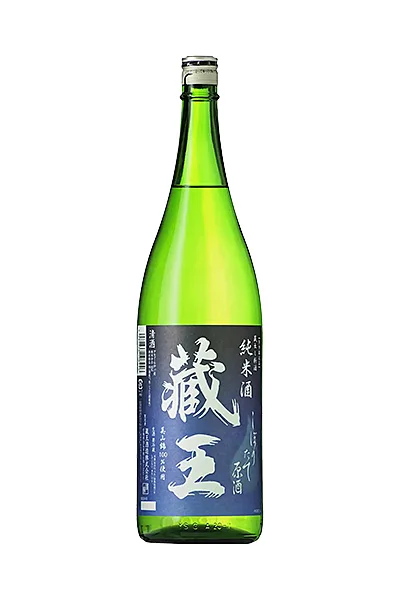
- Zao Junmai Shiboritate Genshu蔵王 純米酒 しぼりたて原酒
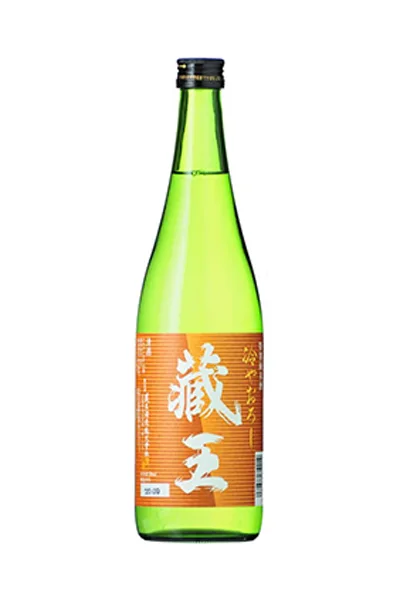
- Zao Tokubetsu Junmai Hiyaoroshi蔵王 特別純米酒 冷やおろし
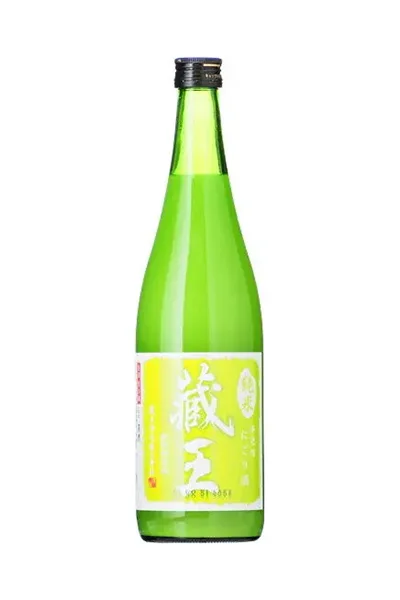
- Zao Junmai sake Nigori蔵王 純米酒 にごり酒
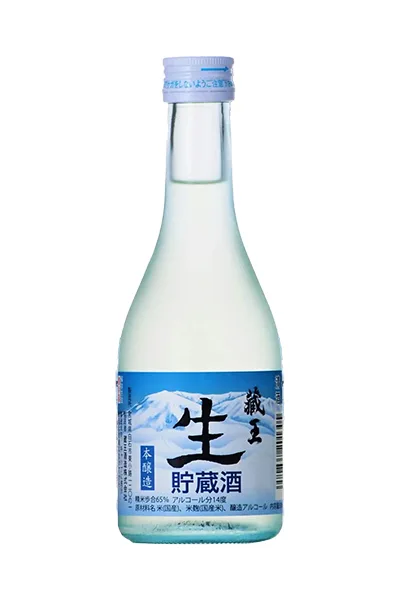
- Zao Namachozo蔵王 生貯蔵酒
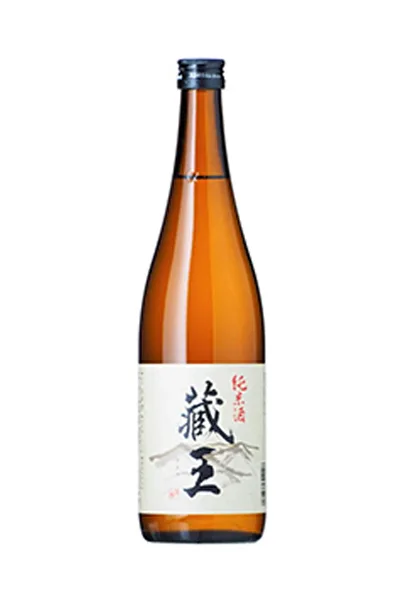
- Zao Junmai Shu蔵王 純米酒
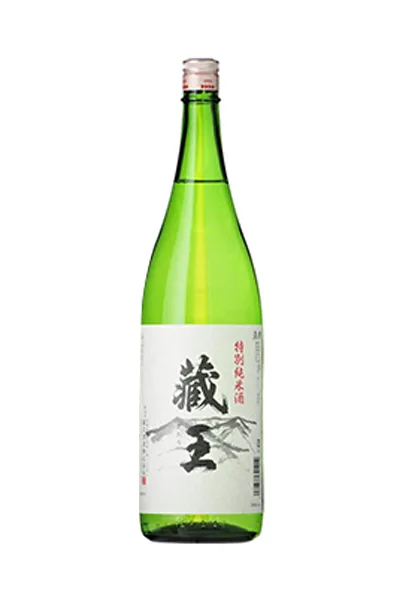
- Zao Tokubetsu Junmai蔵王 特別純米酒
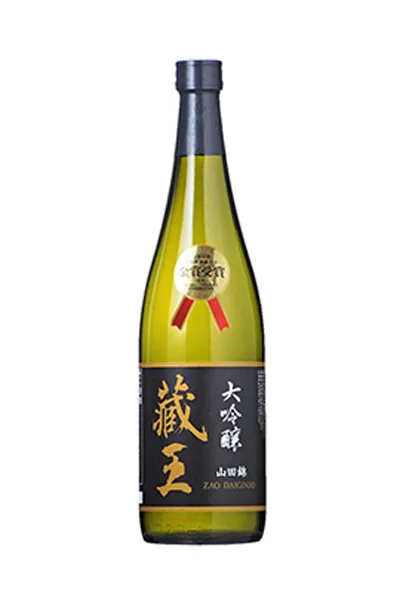
- Zao Daiginjo蔵王 大吟醸
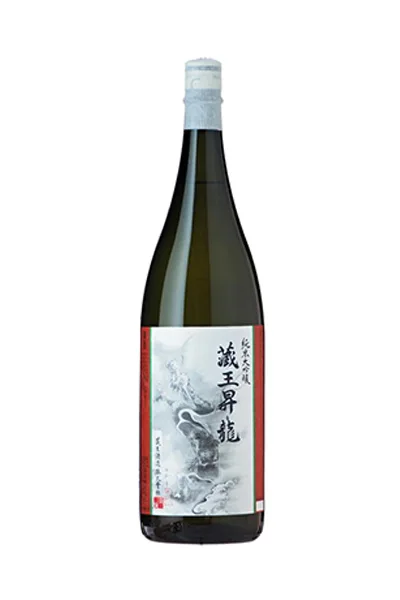
- Zao Junmai Daiginjo Noboriryu蔵王 純米大吟醸 昇り龍
- Zao Otokodate蔵王 男伊達
- Zao Tokubetsu Junmai Hitomebore蔵王 特別純米酒 ひとめぼれ
- Zao Junmai Ginjo Hanayamabuki蔵王 純米吟醸 花山吹
- Zao Shofuku Iwaizake蔵王 招福祝酒