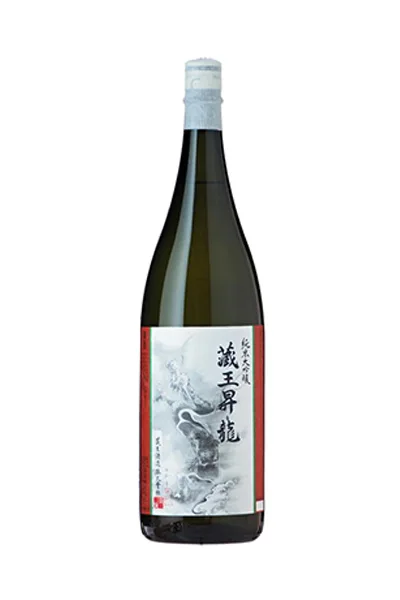
Zao Junmai Daiginjo Noboriryu
蔵王 純米大吟醸 昇り龍Junmai daiginjo, rice polished to 45%
Zao — Zao Sake Brewery, Miyagi
A refined Junmai Daiginjo with elegant fruit aromas and a umami that fills the mouth.
Specifications
- Type
- Junmai Daiginjo
- Rice
- Not disclosed
- Rice polishing ratio
- 45%55% of each grain polished away
- Yeast
- Not disclosed
- Alcohol
- 16%
- Sake meter value
- +3slightly dry
- Acidity
- 1.4
How to read these
- Type
- The grade printed on the label. It depends on the ingredients (rice only, or with a little distilled alcohol) and on how far the rice is polished. More
- Rice
- The rice variety. Most premium sake uses varieties grown for brewing, such as Yamada Nishiki. More
- Rice polishing ratio
- How much of each grain is left after polishing. A lower number means more was milled away, which usually gives a lighter, more aromatic sake. More
- Yeast
- The yeast strain, which shapes the aroma. More
- Alcohol
- Alcohol by volume. Most sake is 15–16%; undiluted (genshu) sake is often 17–18%. More
- Sake meter value
- A sweet-to-dry scale. Plus is drier, minus is sweeter. Acidity changes how it tastes, so treat it as a rough guide. More
- Acidity
- Total acid. Higher tends to taste fuller and drier; lower tastes lighter and sweeter. More
Flavor profile Full & complex
Full & complex — aromatic and full-bodied, including aged sake. Known in Japan as juku-shu (熟酒).
The description cites a refined fruity aroma and umami spreading across the palate, consistent with a 45% polished junmai daiginjo. SMV +3 and acidity 1.4 point to a soft, moderately full profile with gentle sweetness.
Estimated by AI from the published specifications and the brewery's description; your impression may differ.
About
Since its release in 2000, it has continued to evolve year after year, finished as a sake with the dignified character of a Junmai Daiginjo. The label artwork is by Kikuta Ishu (late Edo period), one of the Four Great Painters of Sendai, and depicts an auspicious rising dragon. It is best enjoyed at room temperature or chilled. Even at room temperature, the aroma does not become overly forceful, and the character can be varied to suit the dish, which is part of the appeal of Noboriryu. It pairs well with light Japanese cuisine as well as dishes with a rich dashi, and can be enjoyed with rich dishes in general.
Other sake from this brand 18
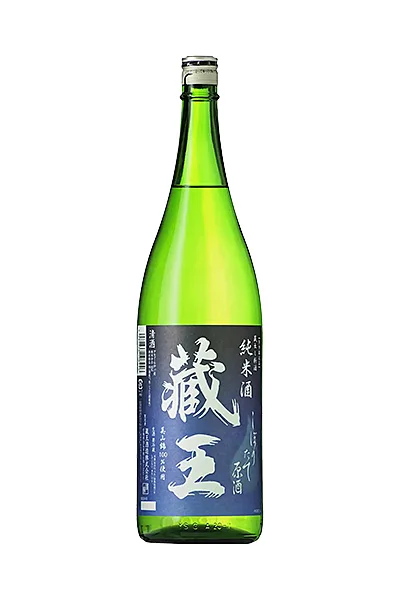
- Zao Junmai Shiboritate Genshu蔵王 純米酒 しぼりたて原酒
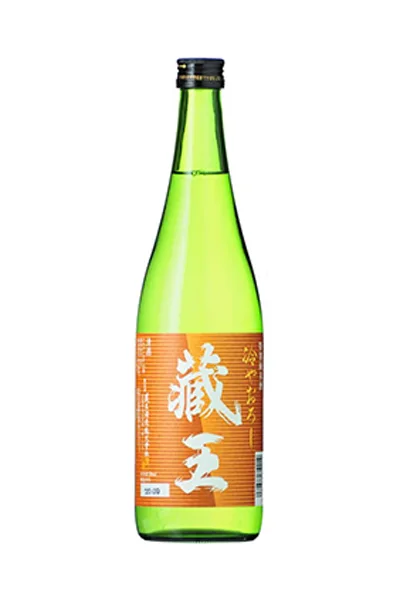
- Zao Tokubetsu Junmai Hiyaoroshi蔵王 特別純米酒 冷やおろし
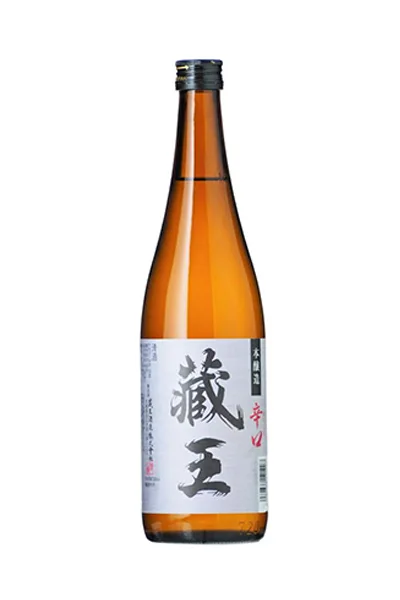
- Zao Honjozo Dry蔵王 本醸造 辛口
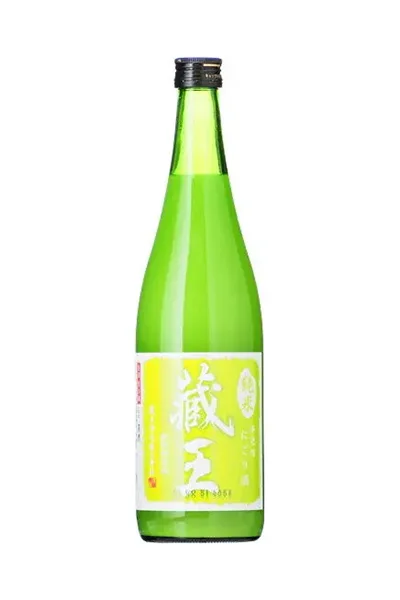
- Zao Junmai sake Nigori蔵王 純米酒 にごり酒
- Zao Namachozo蔵王 生貯蔵酒
- Zao Junmai Shu蔵王 純米酒
- Zao Tokubetsu Junmai蔵王 特別純米酒
- Zao Daiginjo蔵王 大吟醸
- Zao Otokodate蔵王 男伊達
- Zao Tokubetsu Junmai Hitomebore蔵王 特別純米酒 ひとめぼれ
- Zao Junmai Ginjo Hanayamabuki蔵王 純米吟醸 花山吹
- Zao Shofuku Iwaizake蔵王 招福祝酒