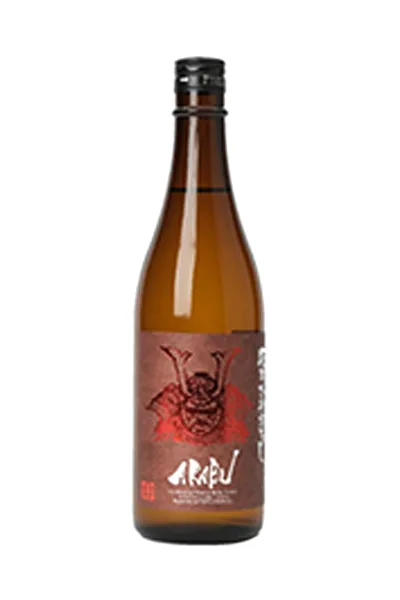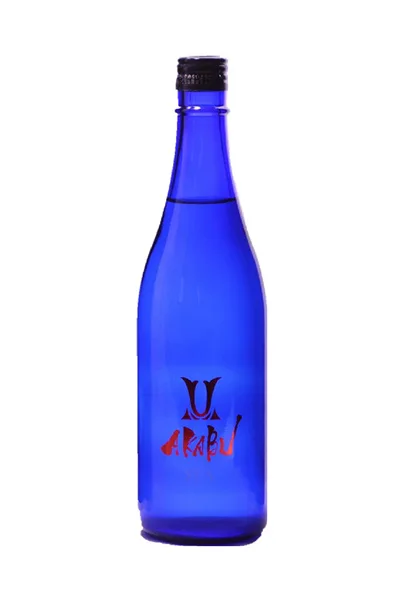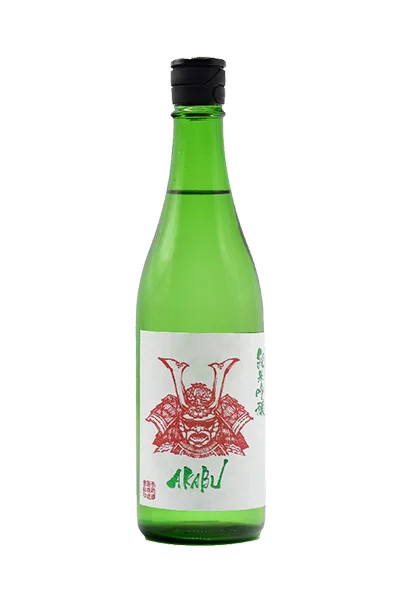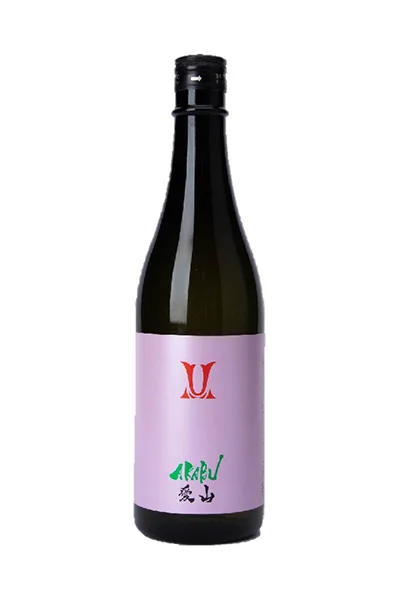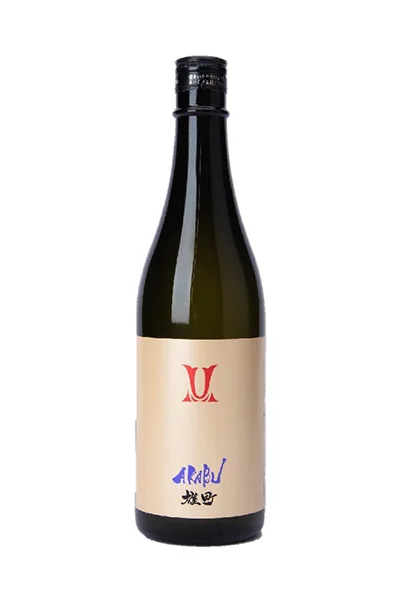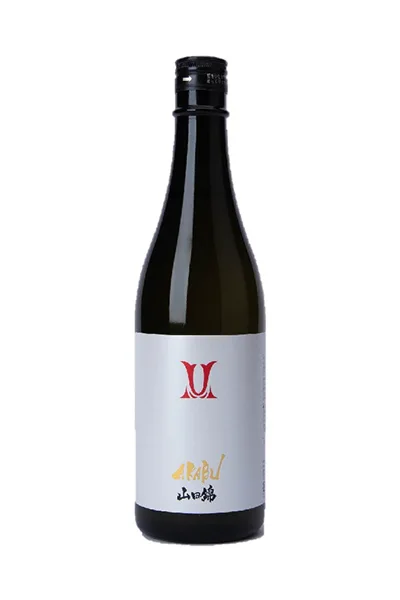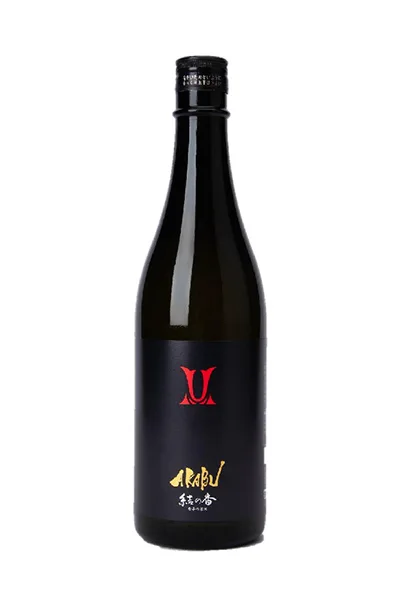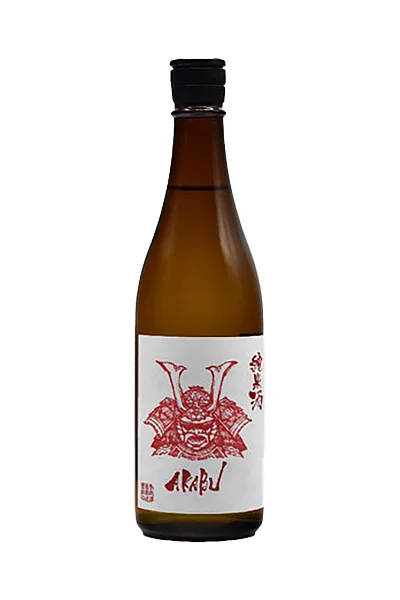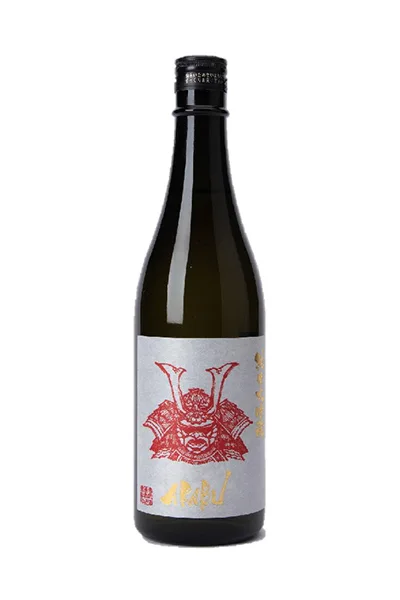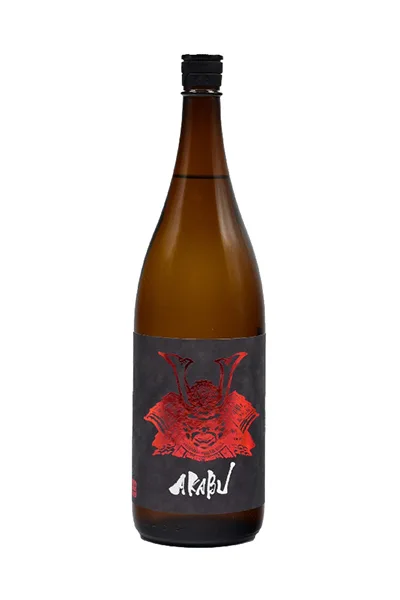
Akabu F
赤武 FGinjo, rice polished to 60%
Akabu — Akabu Shuzo, Iwate
"For you..." Shortened from "Fou you" to "F."
Specifications
- Type
- Ginjo
- Rice
- Not disclosed
- Rice polishing ratio
- 60%40% of each grain polished away
- Yeast
- Not disclosed
- Alcohol
- 16%
- Sake meter value
- +2slightly dry
How to read these
- Type
- The grade printed on the label. It depends on the ingredients (rice only, or with a little distilled alcohol) and on how far the rice is polished. More
- Rice
- The rice variety. Most premium sake uses varieties grown for brewing, such as Yamada Nishiki. More
- Rice polishing ratio
- How much of each grain is left after polishing. A lower number means more was milled away, which usually gives a lighter, more aromatic sake. More
- Yeast
- The yeast strain, which shapes the aroma. More
- Alcohol
- Alcohol by volume. Most sake is 15–16%; undiluted (genshu) sake is often 17–18%. More
- Sake meter value
- A sweet-to-dry scale. Plus is drier, minus is sweeter. Acidity changes how it tastes, so treat it as a rough guide. More
Flavor profile Aromatic & light
Aromatic & light — fruity, floral aroma with a light body. Known in Japan as kun-shu (薫酒).
The banana and melon-like fruity aromas of this ginjo-style sake point to a high aroma, while the light, smooth palate with gentle sweetness and an SMV of +2 suggests a light body and moderate sweetness.
Estimated by AI from the published specifications and the brewery's description; your impression may differ.
About
Akabu Shuzo brewed this ginjo sake with the intention of creating a sake that can be enjoyed beautifully every day. It offers a gentle, sweet aroma reminiscent of banana, along with a refreshing fruity scent like melon. An elegant rice aroma, like freshly steamed rice, spreads through the mouth and blends harmoniously. On the palate, a light impression gives way to a mellow sweetness, followed by smooth acidity and a faint bitterness that leaves a refreshing aftertaste. It pairs well with dishes and appetizers that highlight delicate ingredients, such as usuzukuri (thinly sliced) hirame (flounder) with ponzu and momiji oroshi (grated daikon with red chili), as well as white fish carpaccio and caprese. Serve chilled (5 to 10°C) and enjoy it in a variety of glasses.
Other sake from this brand 17
- Akabu Junmai Hiyaoroshi赤武 純米 ひやおろし
- Akabu AirAKABU AIR
- Akabu Kiwami-jo no Zan Junmai Daiginjo赤武 極上ノ斬 純米大吟醸
- Akabu SakuraAKABU SAKURA
- Akabu SEAAKABU SEA
- Akabu Junmai Ginjo赤武 純米吟醸
- Akabu Junmai Ginjo Aiyama赤武 純米吟醸 愛山
- Akabu Junmai Ginjo Omachi赤武 純米吟醸 雄町
- Akabu Junmai Ginjo Yamada Nishiki赤武 純米吟醸 山田錦
- Akabu Junmai Ginjo Yui no Kaori赤武 純米吟醸 結の香
- Akabu Junmai sake赤武 純米酒
- Akabu Junmai Daiginjo赤武 純米大吟醸