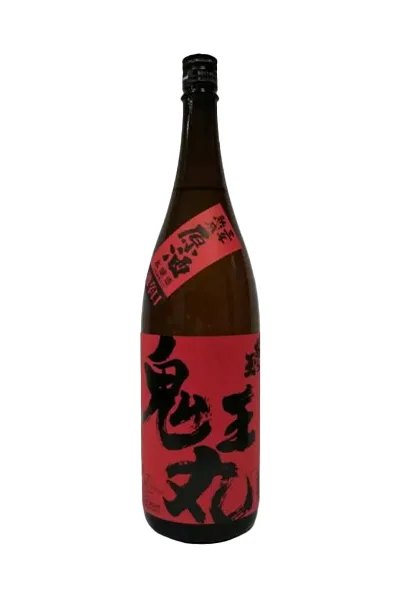
Aratama Oniomaru Akaoni
あら玉(山形県) 鬼王丸 赤鬼Honjozo, rice polished to 70%, undiluted (genshu), aged
Aratama — Wada Shuzo, Yamagata
A sake meter value of +15 and an extra-dry Honjozo genshu, aged for three years in a kura storehouse more than 200 years old.
Specifications
- Type
- Honjozo
- Rice
- Not disclosed
- Rice polishing ratio
- 70%30% of each grain polished away
- Yeast
- Not disclosed
- Alcohol
- 19%
- Sake meter value
- +15very dry
- Acidity
- 1.6
How to read these
- Type
- The grade printed on the label. It depends on the ingredients (rice only, or with a little distilled alcohol) and on how far the rice is polished. More
- Rice
- The rice variety. Most premium sake uses varieties grown for brewing, such as Yamada Nishiki. More
- Rice polishing ratio
- How much of each grain is left after polishing. A lower number means more was milled away, which usually gives a lighter, more aromatic sake. More
- Yeast
- The yeast strain, which shapes the aroma. More
- Alcohol
- Alcohol by volume. Most sake is 15–16%; undiluted (genshu) sake is often 17–18%. More
- Sake meter value
- A sweet-to-dry scale. Plus is drier, minus is sweeter. Acidity changes how it tastes, so treat it as a rough guide. More
- Acidity
- Total acid. Higher tends to taste fuller and drier; lower tastes lighter and sweeter. More
Flavor profile Rich & umami
Rich & umami — rice-driven umami and a fuller body. Known in Japan as jun-shu (醇酒).
SMV +15 and acidity 1.6 point to a very dry, crisp finish, while the 19% genshu and three years of aging give a mellow, full body. The honjozo style at 70% polishing keeps the aroma restrained, placing it in the jun quadrant.
Estimated by AI from the published specifications and the brewery's description; your impression may differ.
About
The depth of flavor that comes with genshu (undiluted sake), the mellow maturity of long aging, and a clean finish from an extra-dry sake meter value (SMV) of +15 make this a sake that lives up to its name, Oniomaru. It is good chilled, and it is also good warmed (kan). For a side-by-side tasting, the Honjozo Akaoni (very dry) and the Junmai Aoni (extra dry) are also recommended.
Other sake from this brand 17
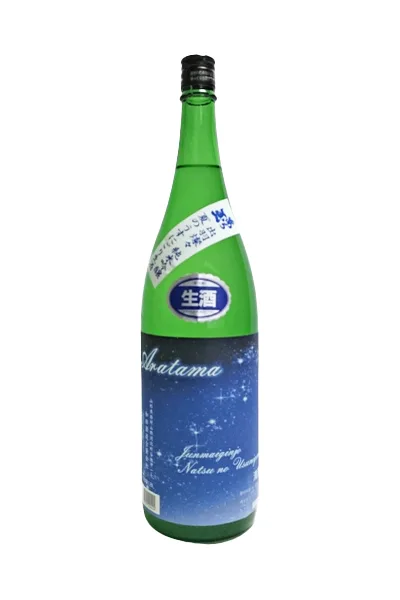
- Aratama (Yamagata) Junmai Ginjo Natsu no Usunigoriあら玉(山形県) 純米吟醸 夏のうすにごり
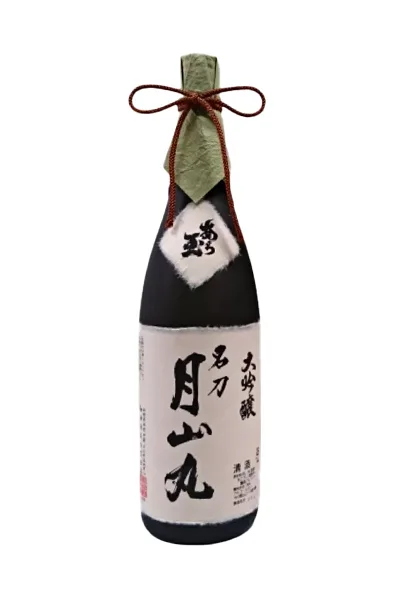
- Aratama Meitou Gassanmaru Daiginjoあら玉(山形県) 名刀 月山丸
- Aratama Junmai Daiginjo Yuki Megamiあら玉(山形県) 純米大吟醸 雪女神
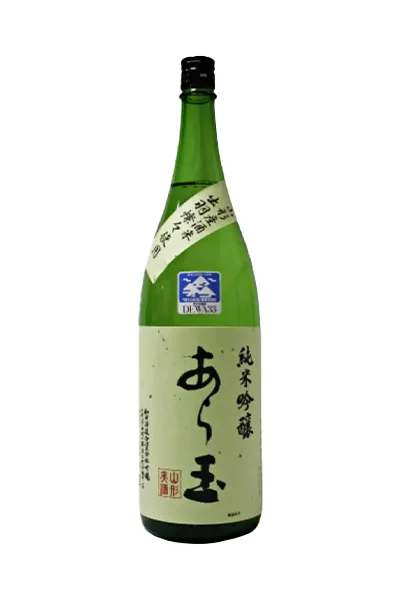
- Aratama (Yamagata) Junmai Ginjo Dewa Sansanあら玉(山形県) 純米吟醸 出羽燦々
- Aratama Seisen (Yamagata)あら玉(山形県) 精撰
- Aratama (Yamagata) Josenあら玉(山形県) 上撰
- Aratama (Yamagata) Tokubetsu Junmai Kairyo Shinkouあら玉(山形県) 特別純米酒 改良信交
- Aratama Junmai Ginjo Tsuyahimeあら玉(山形県) 純米吟醸 つや姫
- Aratama (Yamagata) Junmai Daiginjo Keio-zakuraあら玉(山形県) 純米大吟醸 啓翁桜
- Aratama (Yamagata) Junmai Daiginjo Kairyo Shinkouあら玉(山形県) 純米大吟醸 改良信交
- Aratama (Yamagata) Tokubetsu Junmai Dewa no Satoあら玉(山形県) 特別純米酒 出羽の里
- Aratama Oniomaru Ao Oniあら玉(山形県) 鬼王丸 青鬼