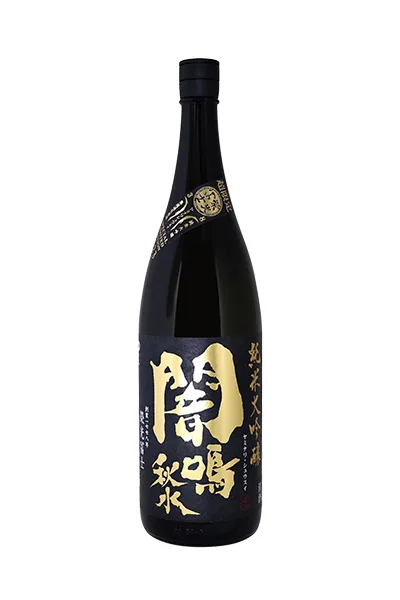
Junmai Daiginjo Muroka Nama Genshu Yami Naru Shusui
純米大吟醸 無濾過生原酒 闇鳴秋水Junmai daiginjo, Dewa no Sato rice polished to 38%, unfiltered, unpasteurized and undiluted (muroka nama genshu)
Eiko Fuji — Fuji Shuzo, Yamagata
Yamagata-grown sake rice Dewa no Sato, polished to 38%: an ultra-limited autumn release
Specifications
- Type
- Junmai Daiginjo
- Rice
- Dewa no Sato
- Rice polishing ratio
- 38%62% of each grain polished away
- Yeast
- Not disclosed
- Alcohol
- 16.2–16.9%
- Sake meter value
- -4–-1slightly sweet
- Acidity
- 1.6
How to read these
- Type
- The grade printed on the label. It depends on the ingredients (rice only, or with a little distilled alcohol) and on how far the rice is polished. More
- Rice
- The rice variety. Most premium sake uses varieties grown for brewing, such as Yamada Nishiki. More
- Rice polishing ratio
- How much of each grain is left after polishing. A lower number means more was milled away, which usually gives a lighter, more aromatic sake. More
- Yeast
- The yeast strain, which shapes the aroma. More
- Alcohol
- Alcohol by volume. Most sake is 15–16%; undiluted (genshu) sake is often 17–18%. More
- Sake meter value
- A sweet-to-dry scale. Plus is drier, minus is sweeter. Acidity changes how it tastes, so treat it as a rough guide. More
- Acidity
- Total acid. Higher tends to taste fuller and drier; lower tastes lighter and sweeter. More
Flavor profile Full & complex
Full & complex — aromatic and full-bodied, including aged sake. Known in Japan as juku-shu (熟酒).
The 38% polishing, junmai daiginjo grade, and muroka nama genshu point to lifted aroma and a full but clean umami body. An SMV of -4 to -1 with moderate acidity of 1.6 suggests a gently sweet, rounded finish.
Estimated by AI from the published specifications and the brewery's description; your impression may differ.
About
Among the many sake rice varieties bred in Yamagata Prefecture, Dewa no Sato is a low-protein rice (teihakusanmai) with a low protein content. Even when brewed at a low polishing ratio, the amino acids derived from protein are less likely to emerge, which reduces the perception of zatsumi (off-flavors) and tends to produce a cleaner, crisper palate. This Junmai Daiginjo, brewed from Dewa no Sato, is a limited release shipped only once a year as part of the Aki no Ichi (autumn release). The defining feature of this sake is that the rice is polished to 38%, well beyond the 50% polishing ratio that the Liquor Tax Act sets for junmai daiginjo. The result is an autumn ultra-limited sake with a more transparent umami and a clean, beautiful aftertaste free of zatsumi. The reason high polishing tends to produce a cleaner flavor in general sake is that polishing itself aims to remove the protein and fat on the outer layers of the brown rice. This does not mean that all zatsumi is unwanted in sake. Depending on the flavor profile the brewer intends, however, a higher proportion of amino acids generally leads to more of the flavors perceived as zatsumi. The sake name, Yami Naru Shusui, expresses the idea of an autumn sake in which beautiful umami resounds throughout the mouth, even in darkness or with the eyes closed.
Other sake from this brand 34
- Junmai Muroka Nama Genshu Akatsuki no Tsubasa純米酒 無濾過生原酒 暁乃翼
- Junmai Filtered Pasteurized Water-Added ASTERISK純米酒 濾過火入加水 ASTERISK
- Eiko Fuji Junmai Daiginjo Muroka Nama Genshu Alchemist純米大吟醸 無濾過生原酒 ALCHEMIST
- Eiko Fuji SURVIVAL Tamanae栄光冨士 SURVIVAL 玉苗
- Eiko Fuji Kourin栄光冨士 煌凛
- Eiko Fuji Shiboritate Senryu栄光冨士 しぼりたて 仙龍
- Eiko Fuji Nanahoshi栄光冨士 七星
- Eiko Fuji Origarami Hakuyo栄光冨士 おりがらみ 白燿
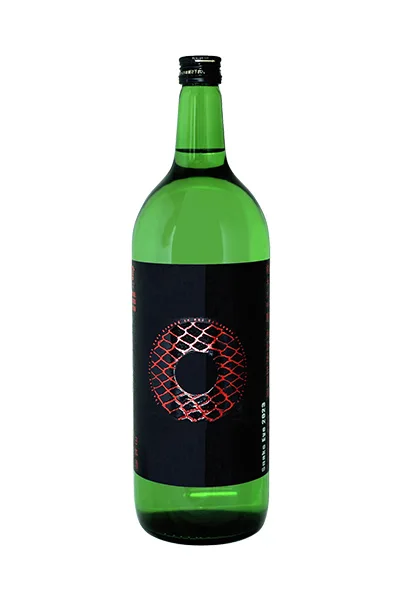
- Eiko Fuji Junmai Daiginjo Muroka Nama Genshu SNAKE EYE栄光冨士 純米大吟醸 無濾過生原酒 SNAKE EYE
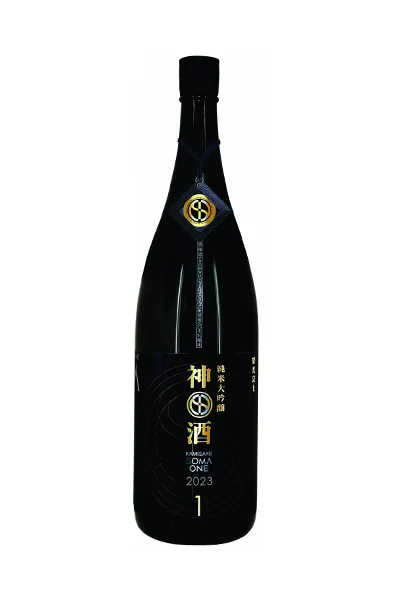
- Eiko Fuji Junmai Daiginjo Muroka Namazume Genshu Soma One純米大吟醸 無濾過生詰原酒 神酒 SOMA ONE
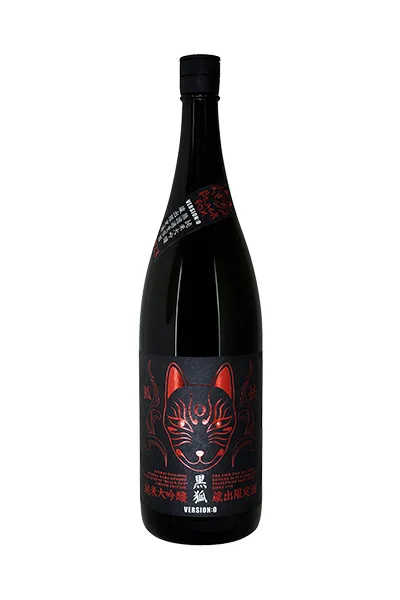
- Junmai Daiginjo Muroka Nama Genshu Kurogitsune BLACK FOX VERSION:0純米大吟醸 無濾過生原酒 黒狐 BLACK FOX VERSION:0
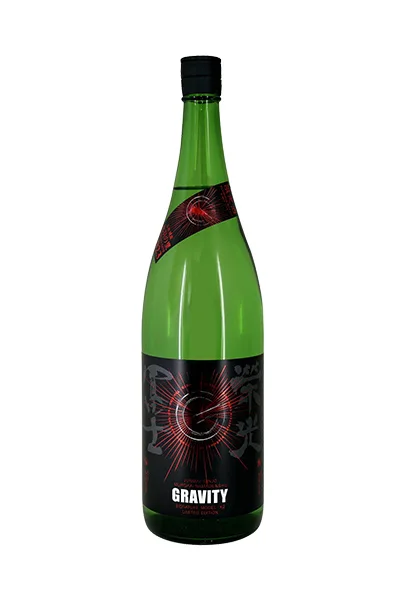
- Eiko Fuji Junmai Ginjo Muroka Nama Genshu GRAVITY純米吟醸 無濾過生原酒 GRAVITY