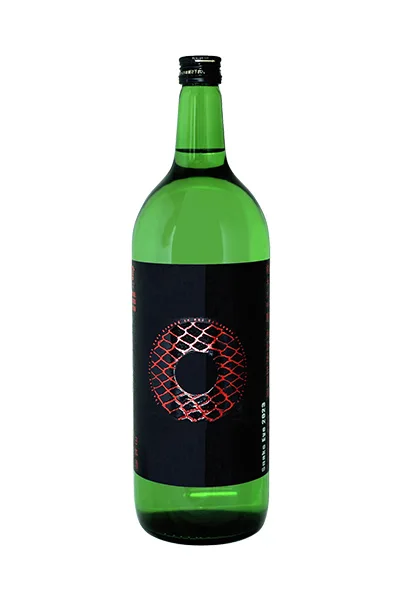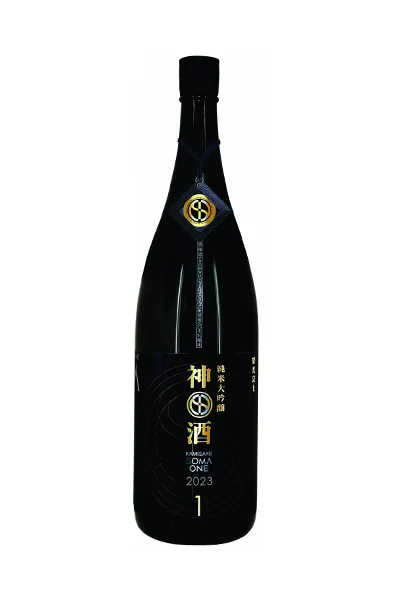
Eiko Fuji Junmai Daiginjo Muroka Namazume Genshu Soma One
純米大吟醸 無濾過生詰原酒 神酒 SOMA ONEJunmai daiginjo, Dewa Sansan rice, unfiltered (muroka), pasteurized once before storage (namazume), undiluted (genshu)
Eiko Fuji — Fuji Shuzo, Yamagata
Eikofuji polishes Dewa Sansan sake rice down to 1% over 1,297 hours, a 2023 sake born from its spirit of challenge.
Specifications
- Type
- Junmai Daiginjo
- Rice
- Dewa Sansan
- Rice polishing ratio
- 1%99% of each grain polished away
- Yeast
- Not disclosed
- Alcohol
- 15.6%
- Sake meter value
- +8very dry
- Acidity
- 1.4
How to read these
- Type
- The grade printed on the label. It depends on the ingredients (rice only, or with a little distilled alcohol) and on how far the rice is polished. More
- Rice
- The rice variety. Most premium sake uses varieties grown for brewing, such as Yamada Nishiki. More
- Rice polishing ratio
- How much of each grain is left after polishing. A lower number means more was milled away, which usually gives a lighter, more aromatic sake. More
- Yeast
- The yeast strain, which shapes the aroma. More
- Alcohol
- Alcohol by volume. Most sake is 15–16%; undiluted (genshu) sake is often 17–18%. More
- Sake meter value
- A sweet-to-dry scale. Plus is drier, minus is sweeter. Acidity changes how it tastes, so treat it as a rough guide. More
- Acidity
- Total acid. Higher tends to taste fuller and drier; lower tastes lighter and sweeter. More
Flavor profile Aromatic & light
Aromatic & light — fruity, floral aroma with a light body. Known in Japan as kun-shu (薫酒).
The 1% polishing ratio in a junmai daiginjo points to high aroma. SMV +8 and low acidity of 1.4 suggest a dry, light profile, while genshu, muroka and nama add some texture.
Estimated by AI from the published specifications and the brewery's description; your impression may differ.
About
The sake name "Soma" refers to the "divine sake" that appears in the Vedic mythology of ancient India. Drinking Soma is said to give people vitality, bring prosperity to their descendants, cleanse illness, extend life, and serve as an immortal elixir and sweet nectar (kanro). It is said to give courage to warriors and inspiration to poets. It was the divine sake most beloved by Indra, the supreme god of the Vedic myths, and it is also another name for Chandra, the god of the shining moon. Eikofuji, a brewery known for both "tradition" and "challenge," presents its greatest "challenge sake" of 2023, a first for the brewery. The brewery has marked 245 years since it was founded under the Fuji name. It has pursued year-round brewing (shiki jozo), releasing fresh sake every month, and has taken on a variety of challenges year after year. Thanks to its customers, the brewery has won a gold prize at the Annual Japan Sake Awards, and at the Nanbu Toji Self-Brewed Sake Appraisal it became the first brewery in Yamagata Prefecture to win first place nationally. This year, as these efforts began to bear fruit, the brewery was able to take on this "greatest challenge." This top-tier sake is made from Yamagata-grown sake rice polished for 1,297 hours down to 1%, revealing an astonishing clarity. Produced in limited quantities, with the full effort of the brewery owner, toji, and kurabito, this sake expresses the ultimate flavor of Eikofuji. We hope you will enjoy it as an accent to banquets shared with people dear to you.
Other sake from this brand 34
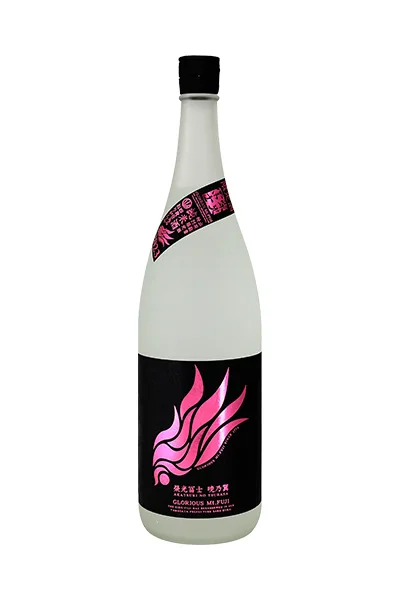
- Junmai Muroka Nama Genshu Akatsuki no Tsubasa純米酒 無濾過生原酒 暁乃翼
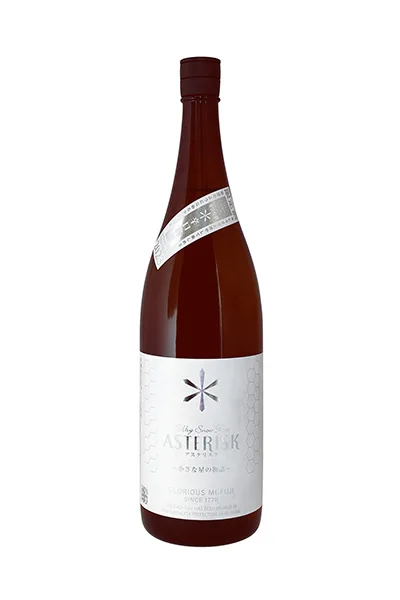
- Junmai Filtered Pasteurized Water-Added ASTERISK純米酒 濾過火入加水 ASTERISK
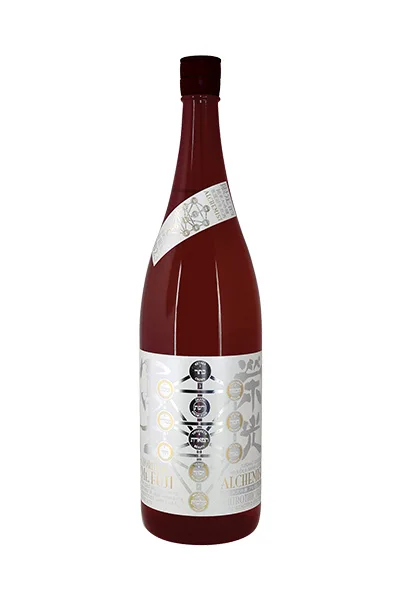
- Eiko Fuji Junmai Daiginjo Muroka Nama Genshu Alchemist純米大吟醸 無濾過生原酒 ALCHEMIST
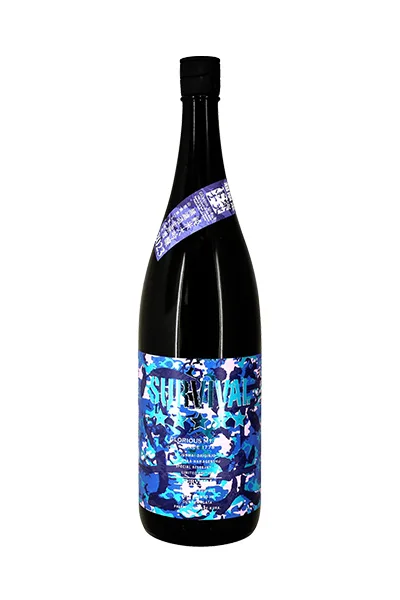
- Eiko Fuji SURVIVAL Tamanae栄光冨士 SURVIVAL 玉苗
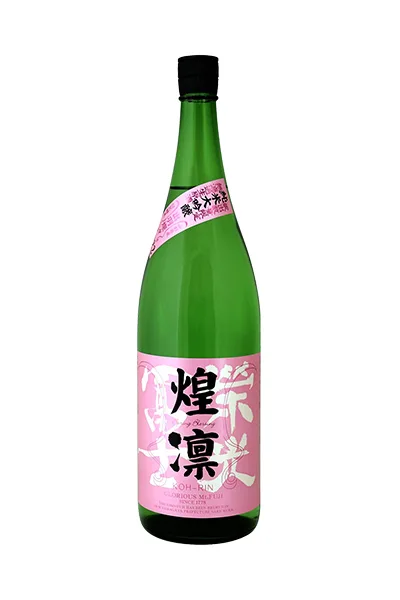
- Eiko Fuji Kourin栄光冨士 煌凛
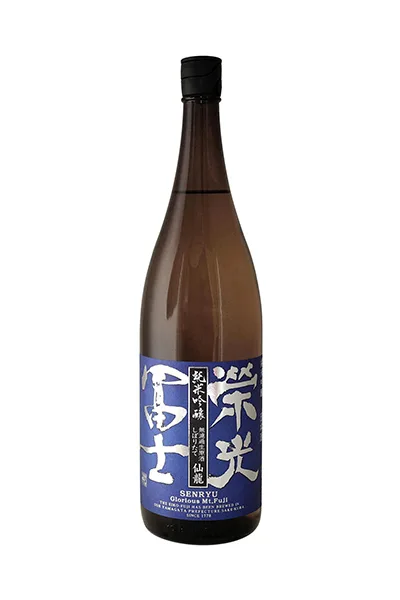
- Eiko Fuji Shiboritate Senryu栄光冨士 しぼりたて 仙龍
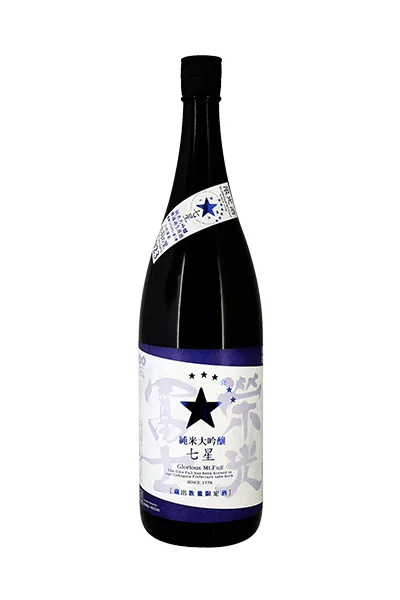
- Eiko Fuji Nanahoshi栄光冨士 七星
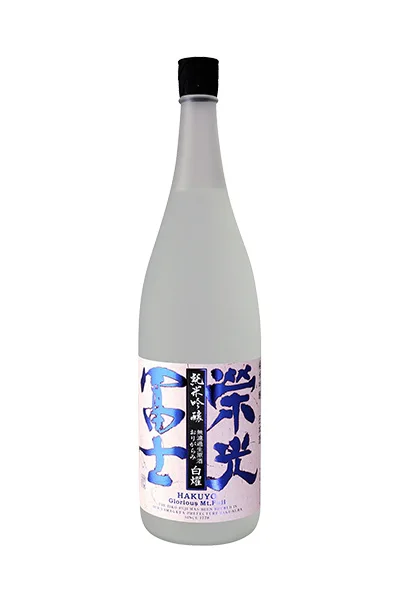
- Eiko Fuji Origarami Hakuyo栄光冨士 おりがらみ 白燿
- Eiko Fuji Junmai Daiginjo Muroka Nama Genshu SNAKE EYE栄光冨士 純米大吟醸 無濾過生原酒 SNAKE EYE
- Junmai Daiginjo Muroka Nama Genshu Kurogitsune BLACK FOX VERSION:0純米大吟醸 無濾過生原酒 黒狐 BLACK FOX VERSION:0
- Eiko Fuji Junmai Ginjo Muroka Nama Genshu GRAVITY純米吟醸 無濾過生原酒 GRAVITY
- Junmai Daiginjo Muroka Nama Genshu Sake Mirai純米大吟醸 無濾過生原酒 酒未来