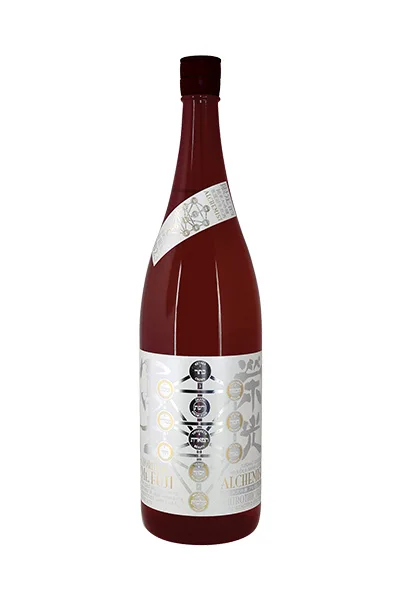
Eiko Fuji Junmai Daiginjo Muroka Nama Genshu Alchemist
純米大吟醸 無濾過生原酒 ALCHEMISTJunmai daiginjo, Yamada Nishiki rice polished to 50%, unfiltered, unpasteurized and undiluted (muroka nama genshu)
Eiko Fuji — Fuji Shuzo, Yamagata
The king of sake rice, Hyogo-grown Yamada Nishiki, brewed with everything we have for a beautiful flavor that resonates.
Specifications
- Type
- Junmai Daiginjo
- Rice
- Yamada Nishiki
- Rice polishing ratio
- 50%50% of each grain polished away
- Yeast
- Not disclosed
- Alcohol
- 16.9%
- Sake meter value
- -1medium
- Acidity
- 1.5
How to read these
- Type
- The grade printed on the label. It depends on the ingredients (rice only, or with a little distilled alcohol) and on how far the rice is polished. More
- Rice
- The rice variety. Most premium sake uses varieties grown for brewing, such as Yamada Nishiki. More
- Rice polishing ratio
- How much of each grain is left after polishing. A lower number means more was milled away, which usually gives a lighter, more aromatic sake. More
- Yeast
- The yeast strain, which shapes the aroma. More
- Alcohol
- Alcohol by volume. Most sake is 15–16%; undiluted (genshu) sake is often 17–18%. More
- Sake meter value
- A sweet-to-dry scale. Plus is drier, minus is sweeter. Acidity changes how it tastes, so treat it as a rough guide. More
- Acidity
- Total acid. Higher tends to taste fuller and drier; lower tastes lighter and sweeter. More
Flavor profile Full & complex
Full & complex — aromatic and full-bodied, including aged sake. Known in Japan as juku-shu (熟酒).
Made from Yamada Nishiki polished to 50% as a junmai daiginjo, it should show an expressive aroma. The 16.9% genshu, unfiltered nama profile with SMV -1 and acidity 1.5 points to a full, gently sweet palate.
Estimated by AI from the published specifications and the brewery's description; your impression may differ.
About
Brewed from Hyogo Prefecture-grown Yamada Nishiki, which has long reigned as the king of sake rice, this is one of the finest members of the unfiltered nama genshu series. Yamada Nishiki was created in 1923 (Taisho 12) at the Hyogo Prefectural Agricultural Experiment Station by crossing Yamadaho with Tankan Wataribune. Even today it has the largest production volume of any sake rice, and 60% of its output is grown in Hyogo Prefecture. One of the appeals of Yamada Nishiki is its large grain size. Compared with typical table rice, which weighs 23 to 24 g per 1,000 grains, Yamada Nishiki weighs 27 to 28 g. Because of this, it breaks less easily during polishing, which makes high polishing ratios easier to achieve. In addition, its shinpaku (white core), which is very important in brewing, has high viscosity, strength, and water absorption, and it dissolves readily. This makes it highly suited to ginjo-class sake and above. The name Alchemist refers to a researcher engaged in alchemy. The ultimate goal of alchemists was to create the philosopher's stone. Along the way they discovered sulfuric acid, hydrochloric acid, and aqua regia, which support the foundations of modern science and technology. The distillation equipment they used also led to the original form of shochu, which was called the water of life. This is the origin of the name. The alchemists of Eikofuji are seekers who continue to pursue brewing that will give you the confidence that it is delicious.
Other sake from this brand 34
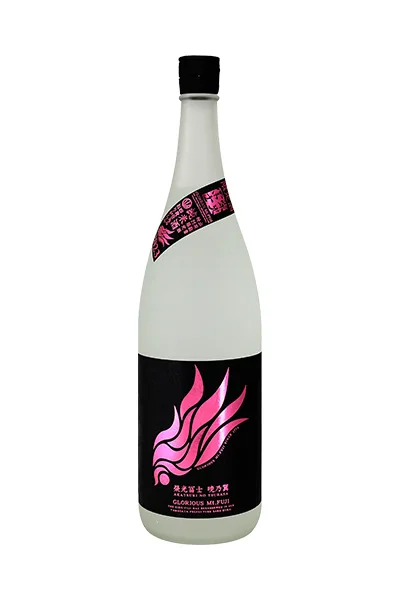
- Junmai Muroka Nama Genshu Akatsuki no Tsubasa純米酒 無濾過生原酒 暁乃翼
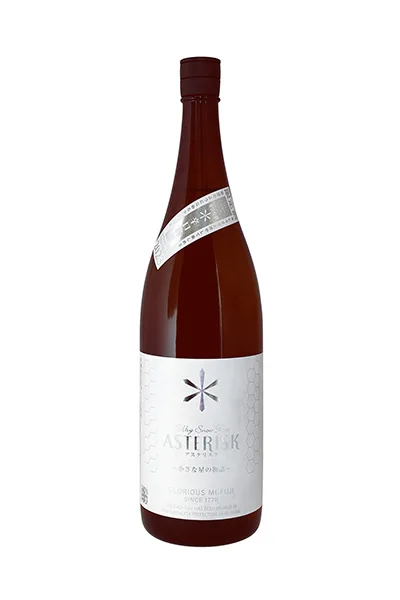
- Junmai Filtered Pasteurized Water-Added ASTERISK純米酒 濾過火入加水 ASTERISK
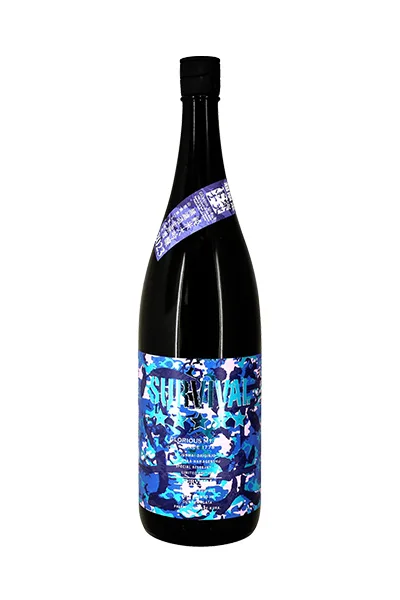
- Eiko Fuji SURVIVAL Tamanae栄光冨士 SURVIVAL 玉苗
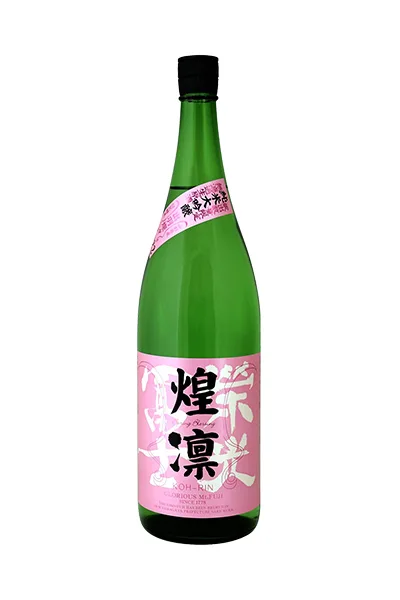
- Eiko Fuji Kourin栄光冨士 煌凛
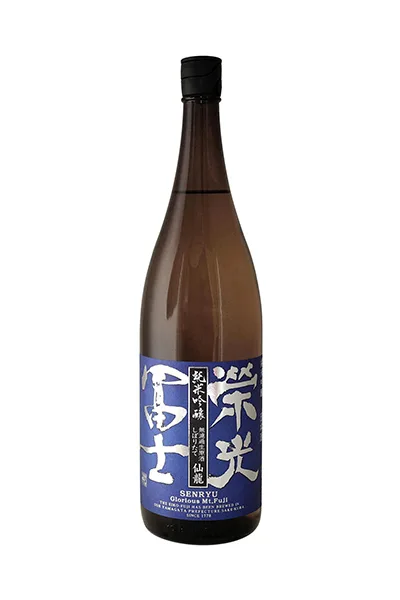
- Eiko Fuji Shiboritate Senryu栄光冨士 しぼりたて 仙龍
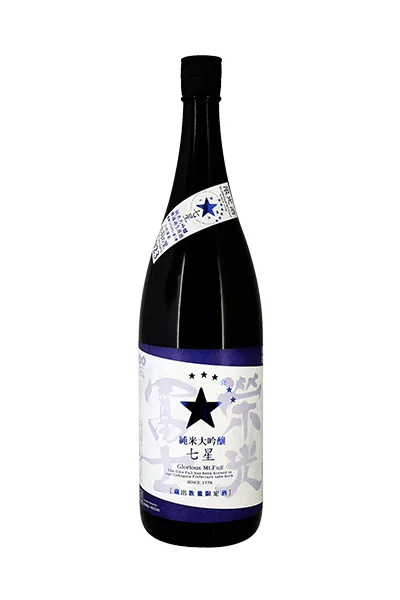
- Eiko Fuji Nanahoshi栄光冨士 七星
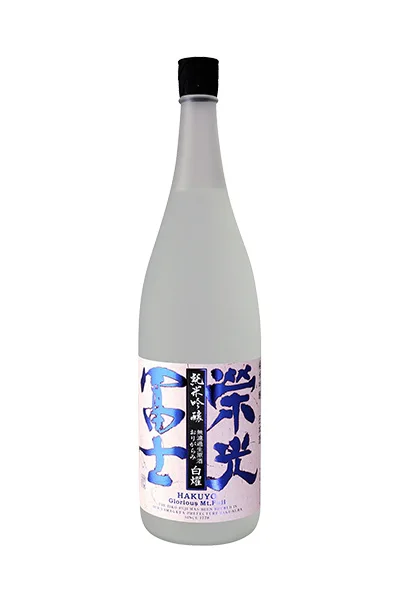
- Eiko Fuji Origarami Hakuyo栄光冨士 おりがらみ 白燿
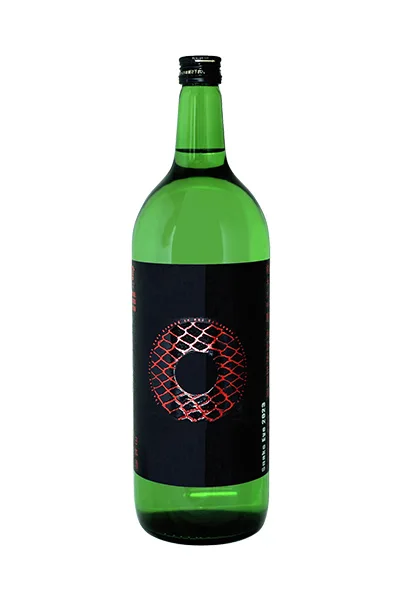
- Eiko Fuji Junmai Daiginjo Muroka Nama Genshu SNAKE EYE栄光冨士 純米大吟醸 無濾過生原酒 SNAKE EYE
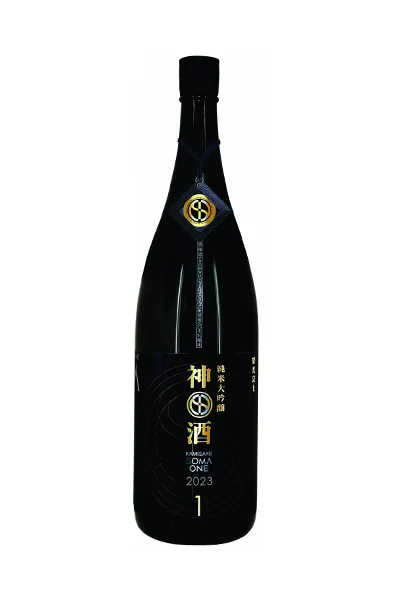
- Eiko Fuji Junmai Daiginjo Muroka Namazume Genshu Soma One純米大吟醸 無濾過生詰原酒 神酒 SOMA ONE
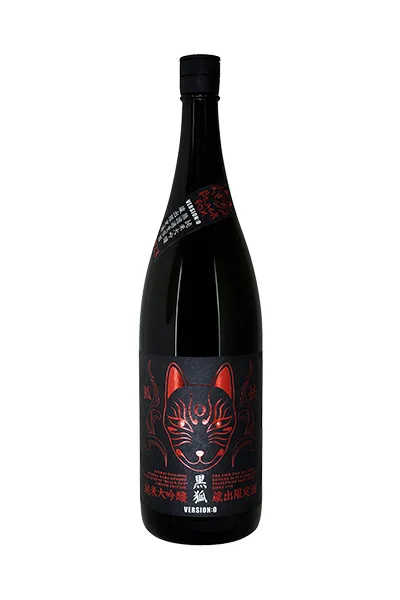
- Junmai Daiginjo Muroka Nama Genshu Kurogitsune BLACK FOX VERSION:0純米大吟醸 無濾過生原酒 黒狐 BLACK FOX VERSION:0
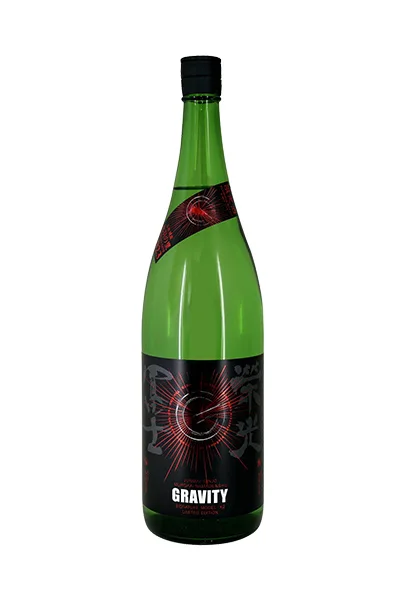
- Eiko Fuji Junmai Ginjo Muroka Nama Genshu GRAVITY純米吟醸 無濾過生原酒 GRAVITY
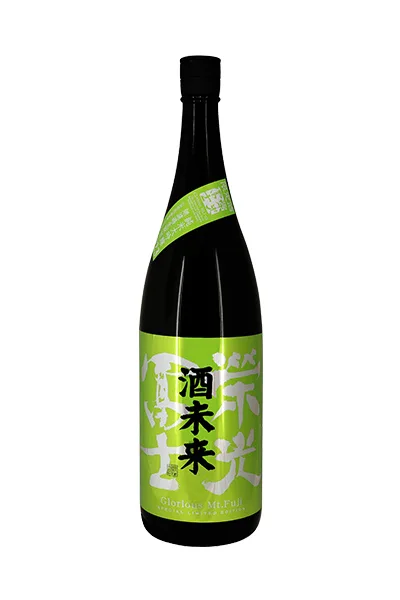
- Junmai Daiginjo Muroka Nama Genshu Sake Mirai純米大吟醸 無濾過生原酒 酒未来